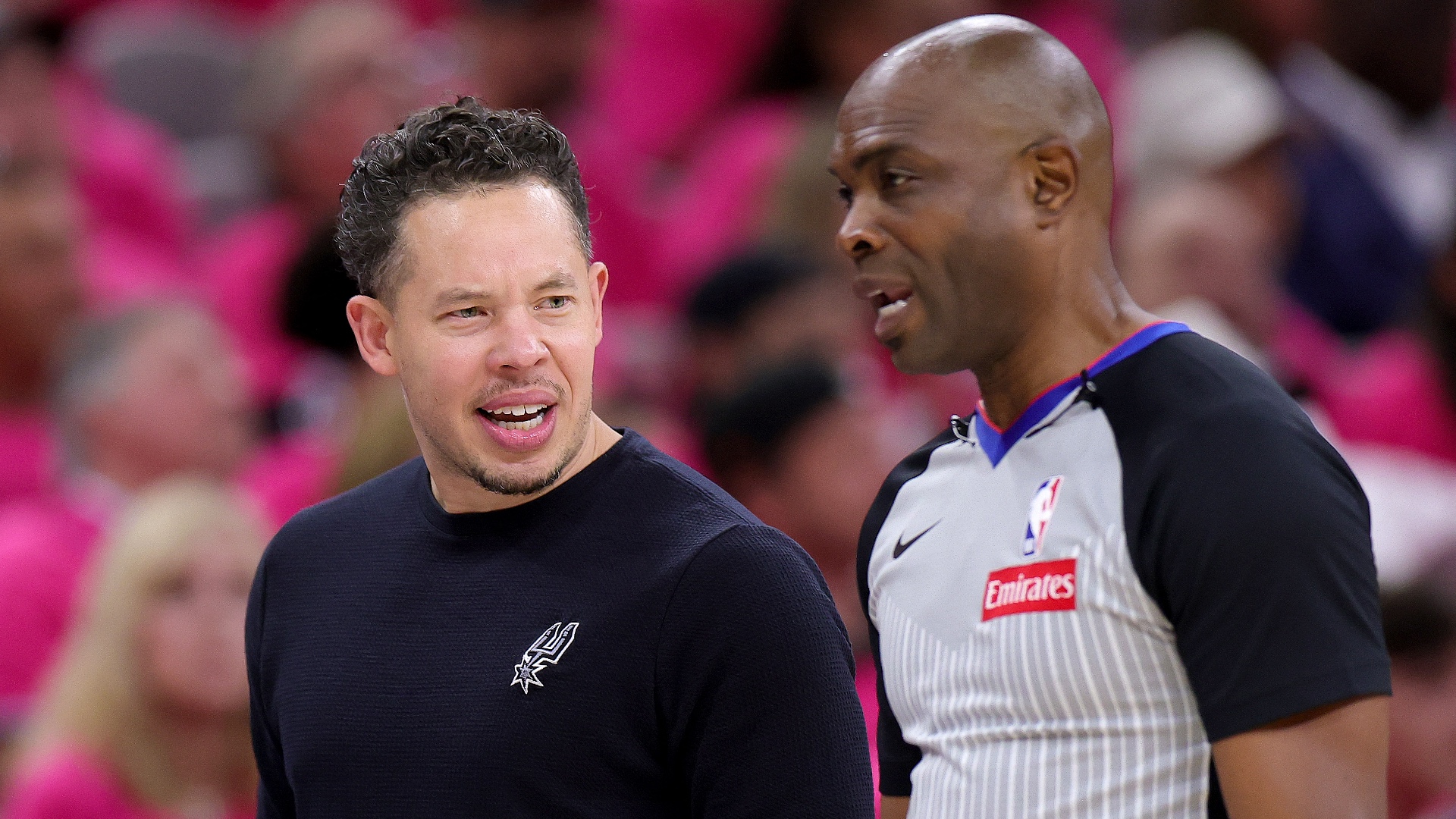
As the New York Knicks prepare to take the court in the NBA Finals, a growing coalition of U.S. lawmakers and human rights advocates is putting intense pressure on the league to end its multi-billion dollar partnerships with the United Arab Emirates, accusing the Gulf nation of using global sports as a tool for “sportswashing” its backing of a paramilitary force accused of mass human rights abuses in Sudan’s ongoing civil war. The campaign, led by Democratic Congressman Jim McGovern, co-chair of the Tom Lantos Human Rights Commission, spotlights a years-long pattern of financial, logistical and military support that Abu Dhabi has provided to Sudan’s Rapid Support Forces (RSF), a group widely documented to have committed widespread atrocities against civilians across Sudan during the four-year conflict. The UAE has repeatedly denied these allegations, despite mounting evidence including satellite imagery, flight tracking data, weapons records and firsthand testimony from former RSF commanders reported by multiple independent outlets. The NBA currently holds two major high-value deals with UAE entities: a 2021 partnership with the UAE Department of Tourism that expanded in 2026 to include a global NBA academy in Abu Dhabi, and a 2024 sponsorship agreement with Emirates Airlines that rebranded the league’s popular in-season tournament as the Emirates NBA Cup, which the Knicks won earlier this season. Beyond the league-wide agreements, the New York Knicks themselves hold an independent $30 million sponsorship deal with the UAE, and English Premier League side Arsenal – which recently claimed the 2023-24 league title before falling in the Champions League final – also maintains high-profile ties to Gulf sponsors. Both teams count New York City Mayor Zohran Mamdani as a vocal public supporter, a connection advocates say highlights how effectively sports branding can obscure problematic political ties. During a virtual press briefing held Tuesday, McGovern was joined by a cohort of humanitarian advocates to formally demand the NBA sever all partnerships with the UAE, arguing that the league’s commercial ties directly enable human rights catastrophe in Sudan, which currently hosts the world’s largest ongoing humanitarian displacement crisis. “Fans should know that the sport that they are enjoying is fuelling crimes against humanity. They should know that the NBA is investing in the UAE, and the UAE is investing in atrocities in Sudan,” McGovern stated during the event. He added that after he sent a formal letter raising concerns to NBA leadership, the league only responded with a generic form reply that failed to address questions about its corporate social responsibility commitments, noting that the league said only that it abides by U.S. State Department guidance in all markets where it operates. “Our goal is for the NBA to get the UAE to divest from atrocities in Sudan; we know you can, and your reputation and your conscience will benefit from it,” McGovern added. John Prendergast, a former Clinton White House official and co-founder of investigative watchdog group The Sentry, warned that the partnerships between the NBA, WNBA and the UAE put the leagues just one step removed from what he called “perhaps the worst case of racial violence and injustice in the world.” Prendergast estimated the combined deals will generate roughly $500 million in combined advertising revenue for both the NBA and the UAE government. Niemat Ahmadi, president of the Darfur Women Action Group, pushed back against the idea that the league relies on these Gulf sponsorships to turn a profit, arguing that the dynamic is reversed. “The NBA doesn’t need the Emirates. The Emirates needs the NBA. That’s why they jumped into this partnership,” Ahmadi said. “There are many, many American companies who have way more money to spend…[the NBA] did not go to the Emirates and ask for this deal. The Emirates is trying to rebrand.” Prendergast pointed to the recent end of Arsenal’s “Visit Rwanda” sleeve sponsorship, which was canceled last year after sustained fan pressure over human rights concerns, as evidence that similar public pressure can push the NBA to cut ties. Advocates also noted that New York Mayor Zohran Mamdani’s recent public appearance in an Arsenal kurta during Eid al-Adha prayers highlighted how invisible sportswashing can be to the general public. “We’re going to reach out to his office,” said Jeremy Konyndyk, president of Refugees International. “I think what it underscores is just how effective the sportswashing approach is. People put an Arsenal jersey on. They put an NBA jersey on. They don’t even think about what it says on the front…They don’t think about what that implies.” In response to mounting criticism, Emirati officials and allies have pushed back against accusations that the UAE is singularly responsible for fueling the Sudan conflict. Abdulkhaleq Abdulla, an Emirati academic with close ties to Abu Dhabi’s leadership, recently argued that the UAE has been unfairly singled out, noting that the RSF also receives support from other regional actors including Uganda, Ethiopia and Chad. Middle East Eye, which originally reported on this story, has reached out to both the NBA’s media team and the Sudanese ambassador to the United States for comment on the demands. The outlet has also previously published multiple investigations documenting the evidence linking the UAE to RSF support.