Quebec’s controversial secularism legislation, known as Bill 21, is undergoing a pivotal constitutional review at Canada’s Supreme Court this week amid mounting evidence of its profound impact on religious minorities. The four-day hearing represents a critical juncture for a law that has reshaped the professional landscape for visibly religious public sector employees since its implementation in 2019.
The legislation prohibits public servants in positions of authority—including teachers, police officers, and judges—from wearing religious symbols while performing official duties. While the provincial government maintains the law promotes state neutrality and secularism (laïcité), affected communities describe it as institutionalized discrimination that has forced career changes, provincial migration, and profound personal distress.
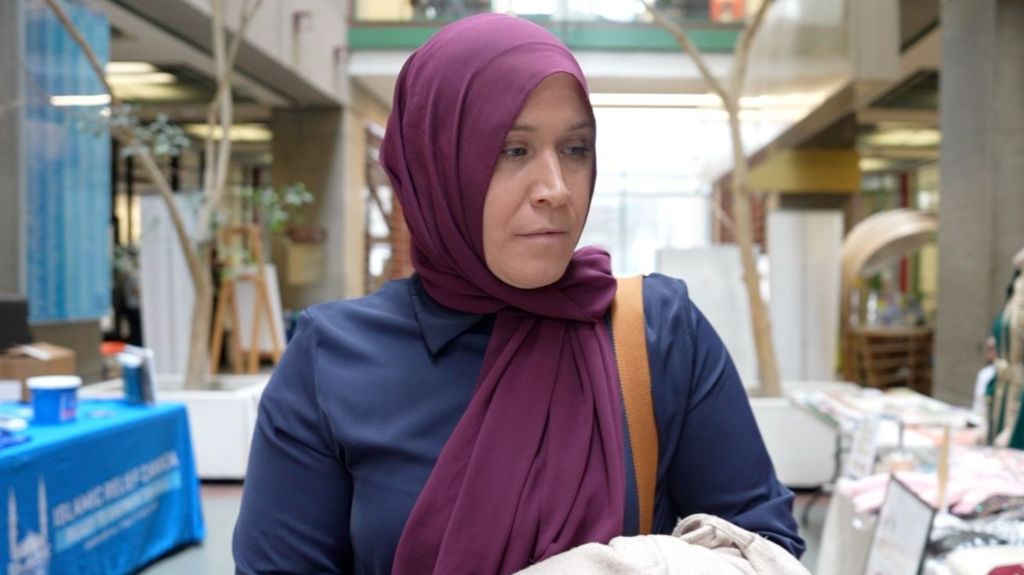
Lisa Robicheau, a 41-year-old single mother and hijab-wearing support worker for students with disabilities, exemplifies the law’s human toll. Though currently exempt due to her pre-law employment status, she describes living under constant anxiety about her professional future. “I’ve spent the majority of my life here, but it never feels like home,” she told the BBC. “I am constantly being treated like an outsider.” This sentiment has driven her to pursue university education with hopes of securing alternative employment or leaving Quebec entirely.
Research conducted by York University’s Nadia Hasan reveals disturbing trends: 73% of Muslim women surveyed reported Bill 21 affected their job prospects, with over half experiencing workplace prejudice and similar numbers considering provincial relocation. The law has inadvertently fostered social segregation by pushing religious minorities toward community-specific employment within Muslim businesses and private institutions.
The constitutional challenge, brought by thirteen appellants including civil liberties organizations and school boards, questions both the law’s validity and the controversial “notwithstanding clause” used to enact it. This constitutional provision allows provinces to temporarily override certain charter rights, including religious freedom and equality protections.
Historical context illuminates Quebec’s unique relationship with religion. The province’s 1960 Quiet Revolution dramatically secularized public institutions that were once dominated by Catholic clergy. Recent decades have seen growing tensions between preserving French-Canadian identity and accommodating religious diversity, with debates increasingly mirroring France’s strict secularism model.
The current government seeks to expand the law’s reach to include all public school staff and daycare workers while banning prayer in public spaces—measures supported by majority polling but criticized as further marginalizing religious communities. Whatever the Supreme Court’s ruling, Bill 21 has already fundamentally altered Quebec’s social fabric and raised urgent questions about religious freedom in pluralistic societies.