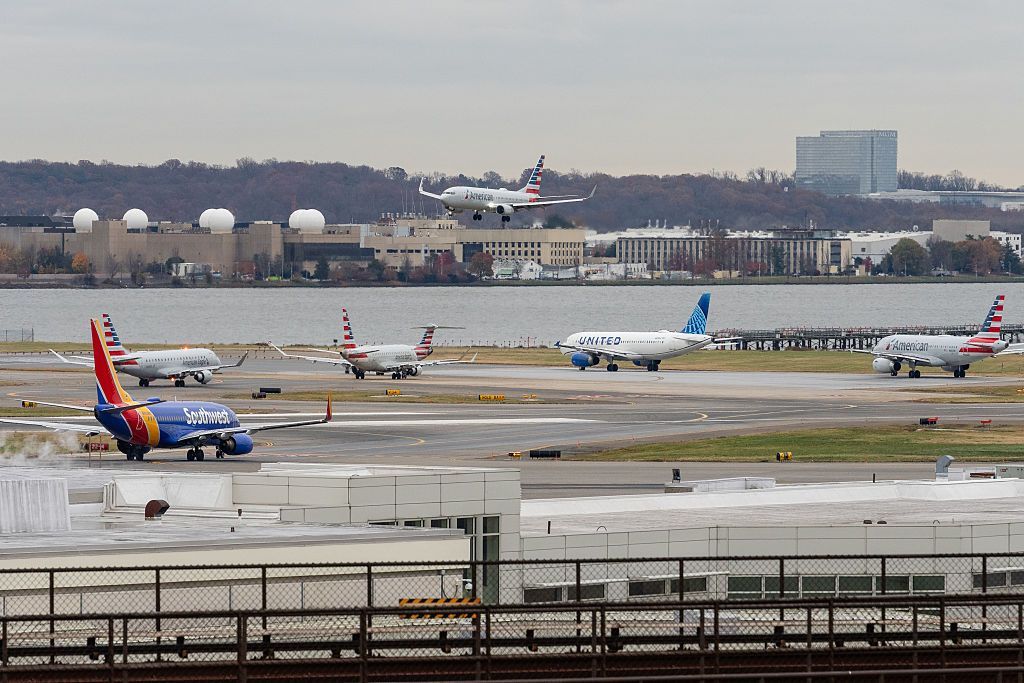
A minor ground collision unfolded at Ronald Reagan Washington National Airport in Washington D.C. on Friday evening, when two American Airlines aircraft made contact while moving across the tarmac to prepare for takeoff, according to official statements from aviation regulators and the carrier. The incident, which took place at approximately 5:10 PM Eastern Time (22:10 UTC), saw the wingtips of two Boeing 737-800 narrow-body jets brush against one another, with no immediate reports of harm to any passengers or crew members on either flight. The U.S. Federal Aviation Administration (FAA) confirmed that the two involved flights, designated as American Airlines Flight 638 and American Airlines Flight 2152, sustained wingtip damage during the low-speed taxiing incident. Live air traffic control audio captures controllers immediately alerting on-site emergency response teams and fire crews to the scene, before instructing both aircraft to return to their assigned airport gates. American Airlines later confirmed that both planes were pulled from active service immediately after the collision, with dedicated maintenance teams dispatched to conduct full, rigorous safety inspections to assess the extent of damage and rule out any structural risks. All passengers aboard the two affected flights were safely evacuated from the aircraft, and the carrier stated it was deploying rebooking support, alternate aircraft arrangements, and ground transportation options to minimize disruptions and get all stranded travelers to their intended destinations as swiftly as possible. Notably, the incident draws renewed attention to safety protocols at the major regional airport, which was the site of a catastrophic mid-air collision between a commercial jet and a U.S. Army helicopter in January 2025 that claimed the lives of 67 people. The FAA has launched a formal, full-scale investigation to trace the root causes of the taxiing collision, including reviewing air traffic control communications, pilot operating procedures, and tarmac navigation records to identify any gaps that could prevent similar ground incidents in the future.