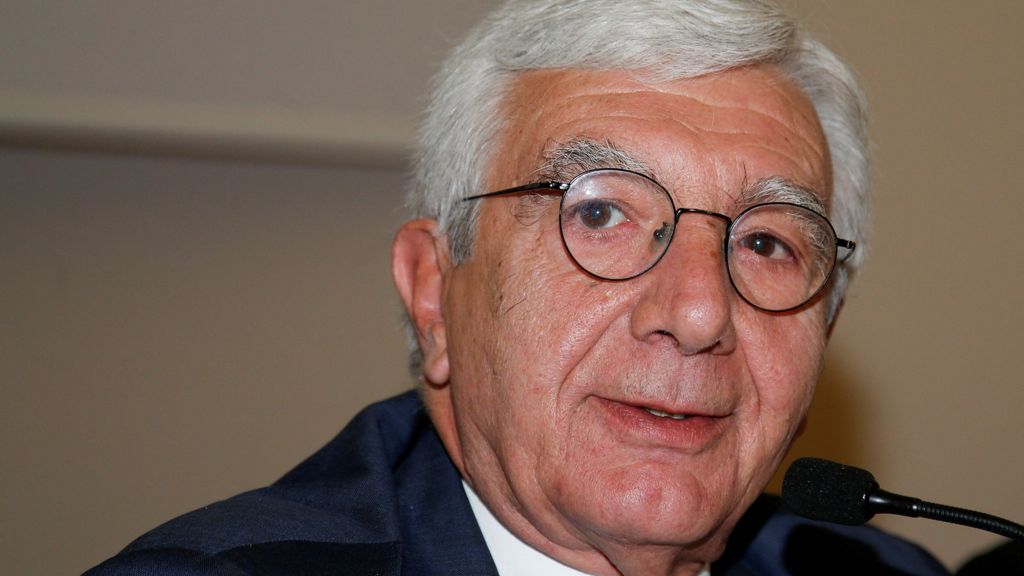
Gianni De Gennaro, a veteran Italian public servant whose career spanned decades of frontline anti-mafia operations, leadership of the national police force, and later tenure at top Italian defence firm Finmeccanica (subsequently rebranded as Leonardo), was found dead at his rural residence in Tuscany on Saturday, with local law enforcement preliminarily ruling his death an apparent suicide ahead of a scheduled post-mortem examination this Friday. Days before his passing, the 78-year-old drafted an eight-page moral testament that was later published by leading Italian daily Corriere della Sera, in which he forcefully refuted recent allegations that he deliberately misled critical inquiries into the brutal 1992 assassination of iconic anti-mafia judge Paolo Borsellino in Sicily. The 1992 bomb attack that killed Borsellino came just two months after Cosa Nostra ordered the murder of his close colleague, fellow anti-mafia crusader Giovanni Falcone, twin atrocities that left an indelible emotional scar across the nation. In the decades following the killings, multiple probes have been launched to probe claims of high-level official cover-ups related to the two massacres, and De Gennaro, who worked alongside Falcone directly in the 1990s as a senior official in the national anti-mafia directorate, was recently accused of intentionally diverting the direction of the initial Borsellino murder investigation – a charge that sent shockwaves through Italian public life given his longstanding reputation as a stalwart in the fight against organised crime. “In a few minutes I will be gone, so you understand well that a ‘man condemned to death’ cannot lie,” De Gennaro wrote in the final testament. “I have never betrayed my oath of loyalty to the Fatherland. I hope that, amid the avalanche of falsehoods now overwhelming me, the truth will ultimately prevail.” The high-profile case and the intense media storm surrounding De Gennaro’s death have reawakened raw national grief over the 1990s mafia terror campaign, and the story has dominated Italian national headlines for days, drawing public comments from the country’s most senior political leadership. Prime Minister Giorgia Meloni addressed the case publicly on Thursday, stating that she had been “deeply shocked” by the sequence of events, adding that “His words struck us deeply, and I think the most important thing we can do now is to help prosecutors who are working to clear things up.” Alongside the handwritten testament, De Gennaro left a hard drive that he stated contained documentation from his full 40-year public service career. Investigators have since seized two additional hard drives – one located at De Gennaro’s son’s residence, the other held by a former member of his security detail – as well as two USB drives in the possession of a close associate of De Gennaro who is now also under formal investigation. The USB devices are labelled “Stato-Mafia”, a clear reference to longstanding allegations of collusive ties between elements of the Italian state and Cosa Nostra, and “Massacres”, respectively. Forensic examiners are now set to conduct a full review of all seized digital materials to determine if any files were modified or deleted prior to their confiscation. For anyone affected by themes of suicide and mental distress raised in this report, support resources are available through the BBC Action Line.