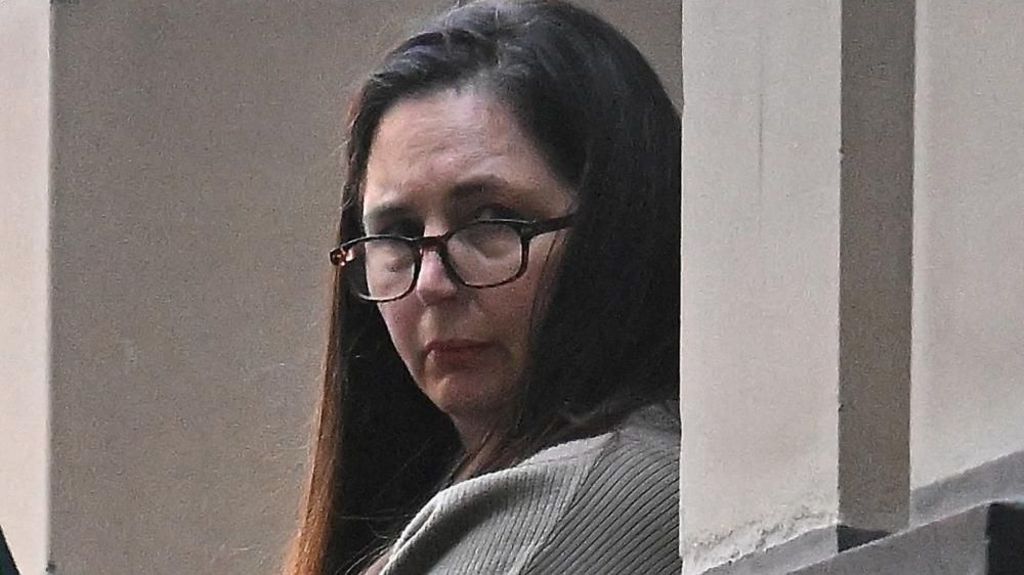
Nearly 12 months after a high-profile Australian jury found 52-year-old Erin Patterson guilty of deliberately poisoning three relatives to death with toxic death cap mushrooms and attempting to kill a fourth during a 2023 home lunch in rural Victoria, the convicted offender has exhausted lower appellate pathways and submitted a final, high-stakes legal application to the nation’s highest judicial body.
The landmark case drew global public attention after Patterson served homemade beef Wellington portions laced with foraged, lethally toxic death cap fungi to her guests: her in-laws Don and Gail Patterson, Gail’s sister Heather Wilkinson, and Heather’s husband Ian Wilkinson, a local pastor. All four fell critically ill shortly after the meal, with three passing away in the days following the poisoning; Ian Wilkinson survived after weeks of intensive hospital care, but continues to live with permanent, long-term health complications linked to the mushroom toxin. Notably, Patterson’s estranged husband Simon, who had previously alleged his wife had made repeated attempts to poison him over multiple years, avoided the fatal lunch by cancelling his attendance at the very last minute.
Following her unanimous guilty verdict last year, the presiding trial judge handed down a sentence that included a 33-year non-parole window, citing the extreme, harsh custodial conditions Patterson would face as a high-profile, notoriously labelled offender behind bars. That small prospect of eventual release was entirely erased last month, when a three-judge panel at Victoria’s Court of Appeal unanimously rejected every ground of Patterson’s initial appeal, describing her offences as extraordinarily cold, premeditated, and devoid of any moral justification that demanded the strongest possible judicial denunciation. The panel ruled that no path to parole would ever be permitted for her, meaning she would spend the rest of her natural life in prison unless a higher court intervenes.
Patterson’s legal team had argued seven separate grounds to overturn the original conviction, most notably a procedural error that saw the jury sequestered in the same hotel accommodation as prosecution representatives, a core police witness, and accredited media outlets covering the trial. Her counsel described the oversight as a catastrophic breach of trial fairness that irreparably undermined the integrity of the entire judicial process, but the Court of Appeal panel dismissed every contention without exception.
By the strict 28-day legal deadline that expired this past Friday, Patterson’s legal representatives formally lodged an application for special leave to appeal before the High Court of Australia, the nation’s apex judicial authority. The petition requests that the top bench conduct a full review of both her guilty convictions and her no-parole life sentence. It is critical to note, however, that the High Court only grants special leave to hear roughly 10% of all applications submitted to it, typically only taking on cases that raise significant questions of national legal importance or demonstrate profound, identifiable miscarriages of justice.
Mushroom murderer Erin Patterson launches last-ditch High Court appeal