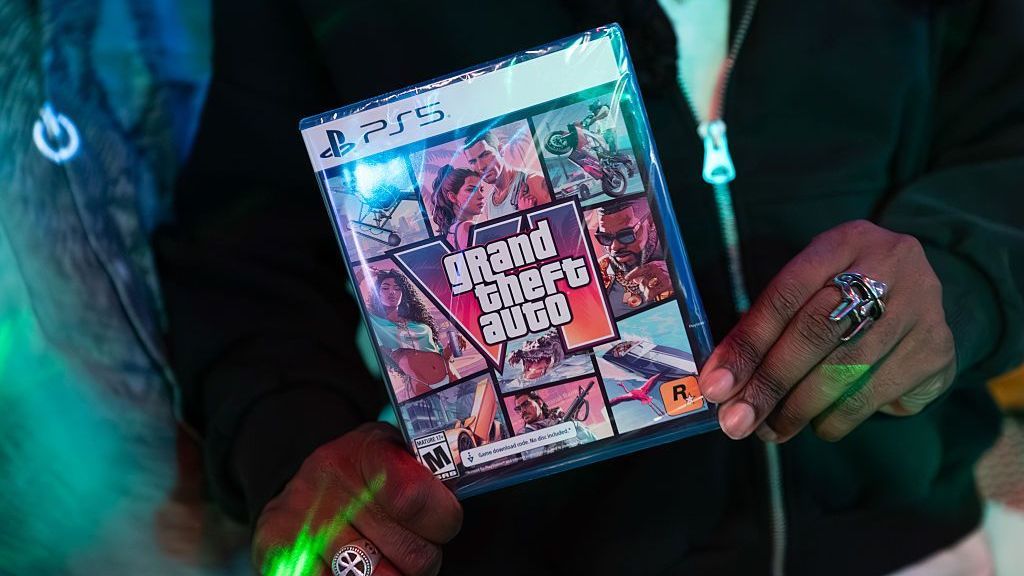
Against the backdrop of a historic, record-shattering launch of Rockstar Games’ long-awaited Grand Theft Auto 6, U.S. law enforcement agencies across multiple states have rolled out targeted public awareness campaigns to draw a clear line between the franchise’s fictional, crime-centric gameplay and real-life legal consequences. The highly anticipated title, which marked the first new mainline entry in the GTA series after a 13-year gap, sold more than 20 million copies globally within its first week of release, raking in $2.36 billion in first-day revenue to position it as the largest entertainment launch in recorded history. Set in a sun-drenched, Florida-inspired fictional state, the open-world game grants players near-unlimited freedom to carry out actions ranging from mundane daily tasks like purchasing a fast-food cheeseburger to extreme, high-stakes acts including firing grenade launchers, selling illicit substances, soliciting sex workers, and engaging in shootouts with law enforcement.
This unprecedented level of fan fervor, which has seen widespread reports of students and employees skipping school and work to dive into the new title, has prompted police departments from Atlanta to Denver, San Antonio, San Juan and Arizona’s Pima County to post lighthearted yet firm warnings across social media platforms. The Atlanta Police Department shared a blunt message urging fans to “Play the game. Don’t play yourself,” while Denver authorities clarified that attempting to flee from law enforcement remains a criminal offense in the real world. A San Antonio police officer emphasized in a public video that committing assault to earn in-game points has no equivalent justification in reality, and Pima County’s sheriff’s office reminded fans that real-world legal systems offer no cheat codes, respawn functions, or mission restarts for people who break laws.
The long-running GTA franchise, first launched by Rockstar Games in 1997, has long been a polarizing cultural touchstone, earning acclaim for its innovative open-world design while drawing consistent criticism for its graphic depictions of virtual violence. The latest launch has reignited long-running public debates about the potential real-world impacts of violent video games, with Fox News commentator Rosanna Scotto raising concerns that the title could destigmatize criminal behavior and potentially make younger audiences more likely to handle firearms at an earlier age. Existing academic research on the correlation between violent video game content and real-world behavior remains deeply divided: the 2020 official resolution from the American Psychological Association notes that framing violent crime as a direct product of video game exposure is not scientifically rigorous, as violent behavior stems from a complex web of overlapping social, economic, and psychological factors, diverting critical attention away from evidence-based interventions. However, the APA also acknowledged that peer-reviewed studies have identified a measurable association between regular play of violent video games and short-term increases in aggressive impulses, alongside reduced moral decision-making capacity in some test subjects.