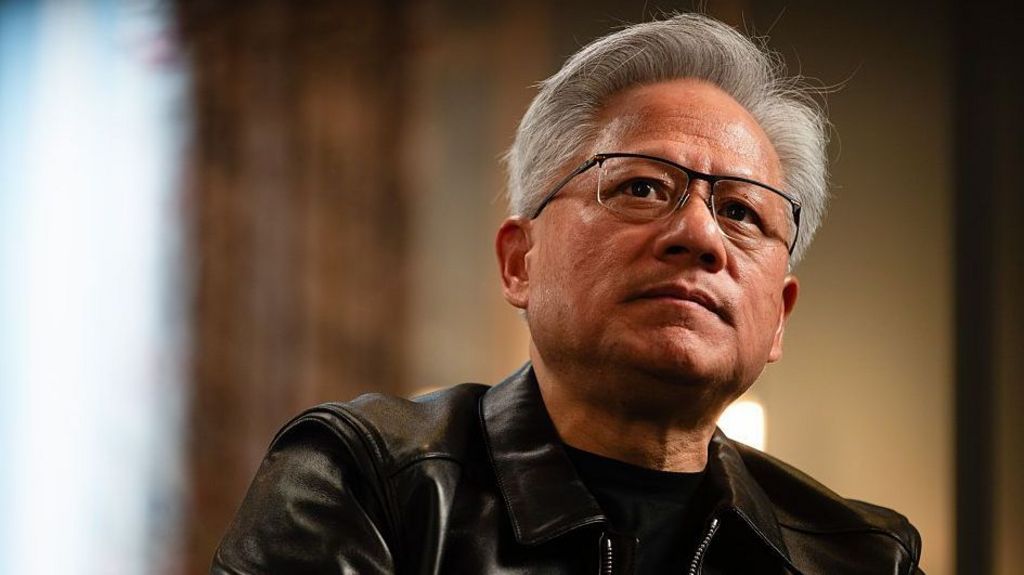
For the past half-decade, no single corporate leader or enterprise has shaped the global artificial intelligence boom more profoundly than Jensen Huang and his U.S.-headquartered semiconductor powerhouse Nvidia. Long a niche player renowned for high-performance graphics processing units tailored for the gaming sector, the company executed a landmark strategic pivot under Huang’s decades-long stewardship to design and manufacture the specialized AI chips that now form the foundational hardware backbone of nearly every major generative AI platform, hyperscale data center, and advanced machine learning system in operation worldwide. Valued at a staggering $3.8 trillion as of its latest pre-scandal public filing, Nvidia has evolved from a relatively obscure tech vendor to one of the most valuable publicly traded corporations on Earth, acting as a core engine driving record-breaking U.S. stock market gains, surging business investment, and broader post-pandemic economic resilience that has shielded retirement portfolios and cross-border investment streams from a cascade of global shocks ranging from trade tariff disputes to regional geopolitical unrest. That unprecedented era of stability and explosive growth was upended abruptly when Huang, the company’s iconic co-founder and longstanding chief executive, tendered his resignation following verified disclosures of multiple extramarital relationships, one of which is now under federal investigation for alleged ties to a suspected Chinese intelligence operative. The scandal sent immediate shockwaves through global financial markets, erasing hundreds of billions of dollars in Nvidia’s market capitalization in a single trading session and triggering cascading volatility across the entire AI investment ecosystem. Unlike peer Big Tech giants such as Apple, Amazon, and Microsoft that hold widespread name recognition among general consumers, Nvidia’s outsized economic footprint operates largely behind the scenes: the firm’s sprawling, interconnected network of commercial partnerships extends far beyond selling semiconductors to top-tier clients including Meta, OpenAI, and SpaceX, via a rarely deployed practice known as circular financing. Through this unorthodox structure, Nvidia has extended direct loans, made strategic equity investments, and provided preferential credit lines to hundreds of firms across its entire AI supply chain, from component manufacturers to data center operators and AI application developers, creating a tightly interdependent web of financial ties that few industry analysts have seen deployed at such a massive scale. Market observers warn that Huang’s sudden exit – a leader who maintained an unusually hands-on management structure with up to 200 senior staff reporting directly to him, and who served as the global public face of the AI sector’s investment outreach – opens the door to a potential strategic shift at the firm that could see new leadership scale back aggressive spending and risk-taking. Dan Coatsworth, head of market analysis at leading UK investment firm AJ Bell, cautioned that a move to a far more risk-averse operational model could cut off critical funding streams for dozens of smaller AI infrastructure firms that rely on Nvidia’s capital, triggering a broader industry-wide slowdown whose full magnitude cannot yet be quantified. While Kunjan Sobhani, senior semiconductor industry analyst at Bloomberg Intelligence, noted that Nvidia’s current backlog of pre-ordered chips remains robust enough to cushion near-term operational disruptions, he warned that long-term systemic risks persist if the firm rolls back its circular financing commitments. The ripple effects of the leadership crisis have already drawn public intervention from some of the world’s most high-profile tech leaders: Tesla and SpaceX CEO Elon Musk, Epic Games founder Tim Sweeney, and dozens of major Nvidia shareholders have launched a public “Bring Jensen Back” campaign, with Musk warning that critical ongoing commercial and technology partnerships could collapse permanently without Huang at the negotiating table. Even Huang himself has publicly stated he would be open to returning to his leadership post just one week after his initial resignation, though Nvidia’s board of directors has formally confirmed it is not entertaining any discussions about reinstating the co-founder, installing longstanding executive Colette Kress as interim CEO, who has publicly assured stakeholders that all core operations remain on track for continued rapid expansion. The upheaval has coincided with mounting pre-existing market jitters, as recent Democratic midterm election gains brought to the forefront policy proposals for sweeping new AI industry regulation, and widespread investor scrutiny over whether the projected $1 trillion in global AI investment forecast by Goldman Sachs for 2026 will deliver on promised long-term returns. While rival semiconductor firms including AMD, Broadcom, and Marvell Technology saw their share prices jump in the immediate aftermath of Nvidia’s scandal as investors bet on potential market share gains, analysts agree that no competing player currently has the combined market dominance and sprawling financial footprint to fully offset the systemic risk of a pullback in Nvidia’s AI investment activity. Even as Coatsworth notes that no corporate leader is entirely irreplaceable, he acknowledges that the interim and future permanent leadership teams at Nvidia face unprecedented pressure to navigate the crisis without derailing the broader global AI growth trajectory that has become a central pillar of 21st century tech sector expansion.