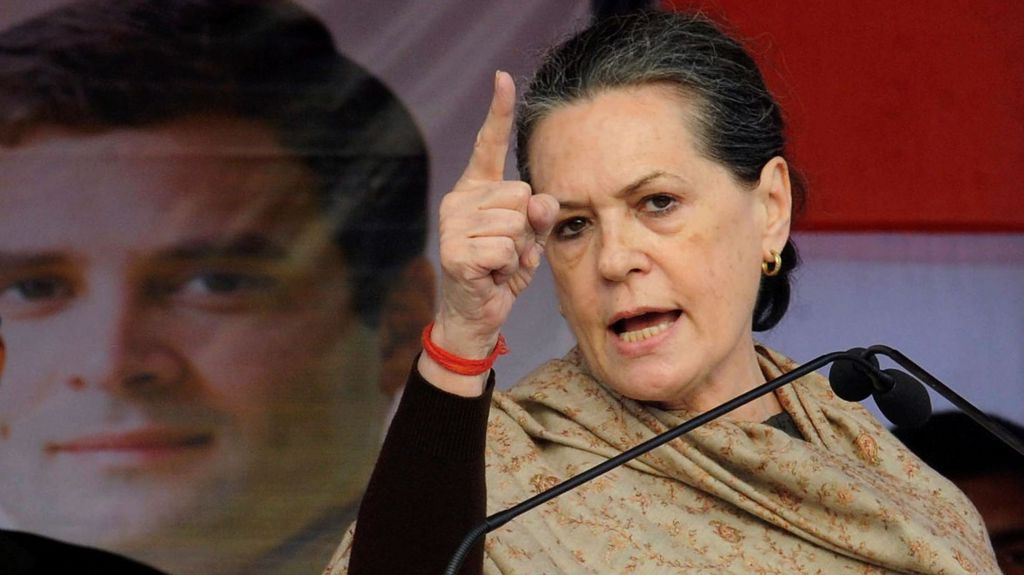
Sonia Gandhi, one of independent India’s most consequential political figures, lays bare decades of searing personal loss, reluctant public service, and unvarnished observations of the country’s shifting political landscape in her newly released memoir *Belonging: A Journey of Love*. The 502-page volume opens with a visceral, first-person account of the 1984 assassination of her mother-in-law, then-Prime Minister Indira Gandhi, a moment that shattered her quiet life as a young wife and mother residing in the prime minister’s Delhi residence. On the morning of 31 October 1984, as she prepared to take a bath, gunshots rang out across the compound garden – the distinct, sharp crack of bullets fired by two of Indira Gandhi’s Sikh bodyguards, retaliating for the Indian Army’s earlier storming of Sikhism’s holiest site, the Golden Temple in Amritsar. Rushing outside, she encountered Indira’s blood-soaked body being driven back to the residence in a white Ambassador car, a scene that remains etched in her memory as a moment of unutterable shock. Hours after being notified of his mother’s death, Rajiv Gandhi – Sonia’s husband, who had been summoned back from a political rally in West Bengal – was pressed by senior Congress leaders to take the prime minister’s oath. Sonia’s immediate reaction was frantic, terrified protest: “They will kill you; they will kill you too!” But Rajiv, who replied that his fate was already sealed, was sworn in that same evening, setting Sonia on an unplanned collision course with the highest echelons of Indian public life. The personal devastation deepened seven years later, in 1991, when Rajiv himself was assassinated by a suicide bomber during a campaign rally. For years after her husband’s murder, Sonia retreated almost entirely from public life, overwhelmed by crippling grief that made even mandatory appearances for the memorial trusts she led feel like an unbearable ordeal. A young woman from a small Italian town who had met Rajiv as a student in the United Kingdom, she had built her life entirely around her husband and his family, never harboring any personal desire to enter politics. Over time, however, the once-dominant Indian National Congress – the party that had led India’s independence movement and been helmed by three generations of her family – began to unravel: senior leaders defected en masse, electoral support eroded, and calls grew increasingly urgent for Sonia to step in to stabilize the organization. She initially refused, writing that she had seen first-hand the ugly underbelly of political life: its rampant ambition, greed, hypocrisy, and treachery, which had already stolen both her mother-in-law and the “love of her life.” But as she watched the rise of a resurgent Hindu nationalist movement that she believed threatened India’s foundational secular, pluralistic identity, her resistance softened. A turning point came in January 1997, when, guided by private Sanskrit lessons on the Bhagavad Gita’s core teaching of fulfilling one’s dharma (duty) without attachment to personal rewards, she resolved to enter public life. The memoir’s most explosive political anecdote recounts the 2004 general election, when Sonia led the Congress to a surprise victory over the ruling Bharatiya Janata Party (BJP). As the entire party and its alliance partners unanimously pressed her to assume the prime minister’s post, she made the unprecedented, unexpected decision to decline the premiership, opting instead to nominate widely respected economist Manmohan Singh – a figure she describes as “above reproach” with a consummate grasp of governance – for the top role. She writes that she feared her foreign birth would become a rallying point for the BJP to stoke communal divisions, inflicting lasting harm on the country. The volume also offers uncommonly direct assessments of current Indian Prime Minister Narendra Modi, whom she writes she has shared “practically no real contact” with beyond perfunctory formal greetings, noting he often avoids making eye contact with her. She frames Modi’s vision of India, shaped by the nationalist Rashtriya Swayamsevak Sangh (RSS), as one that prioritizes religious hierarchy and control, directly opposing the inclusive, secular social order she has spent decades defending. In a rare moment of nuance, she concedes that while Modi’s publicized “humble origins” are overstated by his public relations team, his ascent from a working-class background within the RSS gives him a perspective disconnected from the insulated, elite Delhi political circles that she herself also found alienating. The memoir also includes lighthearted anecdotes of her interactions with global leaders: she describes Russian President Vladimir Putin as an engaging, geopolitically astute figure who gave her a personal boat tour of St. Petersburg long before the Ukraine invasion, and recounts a comical 2008 state banquet moment where the Indian vice president’s wife grilled visiting French President Nicolas Sarkozy about his unmarried relationship with Carla Bruni, as he furtively texted his then-partner throughout the exchange. Critics note that the volume is far from a neutral historical account: it devotes minimal attention to the Bofors arms deal scandal that severely damaged Rajiv Gandhi’s government, and largely sidesteps well-documented allegations of cronyism, patronage, and corruption that marred the Congress party’s decades in power. In its final pages, the 79-year-old Sonia Gandhi – now a Rajya Sabha member, with her son Rahul leading the opposition in the Lok Sabha and daughter Priyanka also serving as an MP – strikes an unmistakeably melancholic tone, acknowledging that despite decades of effort, she has not succeeded in fully turning back the tide of the communal and authoritarian forces she set out to counter. “At this moment it seems to me that, although I tried my best, I didn’t succeed in beating back the forces I’d set out to fight,” she writes.