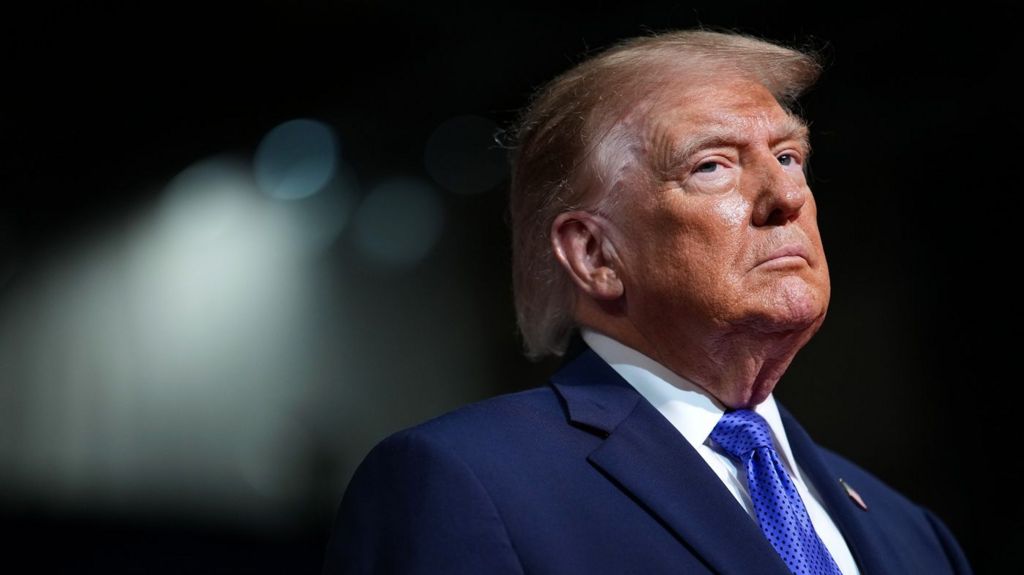
Following a historic, unanticipated drubbing in the 2026 US midterm elections that shattered the once-unassailable electoral coalition that carried Donald Trump to three consecutive Republican presidential nominations, the GOP has entered a period of intense internal reckoning over its core identity, policy direction, and post-Trump future. The scale of the defeat was unprecedented: the party lost control of both the US House of Representatives and Senate, alongside dozens of governorships and state legislative majorities in deep-red strongholds like Texas and Kansas, regions where Trump had secured double-digit vote margins just two years prior. Outgoing Florida Governor Ron DeSantis did not mince words, framing the outcome as “close to an extinction-level event for Republicans.”
The results have laid bare long-simmering fault lines that first emerged during Trump’s 2016 improbable ascent to the presidency, pitting factions advocating for doubling down on hardline MAGA (Make America Great Again) populism against reformist wings pushing to reorient the party around a broader, more inclusive conservative platform that can win over swing voters outside of deep red districts. Even as the party processes its losses, the predicted intraparty conflict is already unfolding. Vice President JD Vance, for instance, attributed the poor performance to widespread public frustration over the ongoing US war with Iran, while acknowledging that a messy period of internal debate and infighting was inevitable as the party grapples with its missteps.
Longtime Republican strategist Rina Shah emphasized the core choice facing the GOP: whether it will remain anchored to a single dominant figure, or evolve to center a wider set of conservative principles that can resonate beyond its most loyal base. The small but vocal group of remaining “Never Trump” establishment Republicans have seized on the historic losses to argue for a return to the party’s pre-Trump ideological roots, a push that faces significant structural barriers after a decade of Trump-led transformation. Over the past 10 years, the vast majority of GOP elected officials have shifted sharply right on issues including immigration, and rejected the interventionist foreign policy of the George W. Bush era that spawned the Iraq and Afghanistan wars. The last remaining moderate establishment Republicans in Congress, including long-serving figures like Texas Senator John Cornyn and Maine Senator Susan Collins, who had repeatedly clashed with Trump over his tenure, were voted out of office during the 2026 midterms, nearly eliminating the old-guard wing of the party from federal office.
Just three days after the election, Trump made a high-profile personnel shakeup that signaled he has no intention of moderating his agenda during his remaining two years in office, naming hardline domestic policy adviser Stephen Miller as his new White House Chief of Staff to replace Susie Wiles. Miller, one of the original architects of the MAGA movement, is globally recognized for his uncompromising stance on strict immigration restrictions, a move that was widely interpreted as a signal the administration will push forward with plans for mass deportations and other core nationalist policy priorities. Steve Bannon, another founding MAGA figure, went so far as to predict a full “civil war” within the Republican ranks, blaming the midterm losses on the party’s failure to fully implement the MAGA policy platform, alongside public discontent over economic conditions and ongoing foreign military engagements.
Voter data analysis from the New York Times laid bare the dramatic collapse of the diverse cross-section of support that Trump and the GOP had celebrated after the 2024 presidential election, where the party made unprecedented inroads with Latino and young voters. Between 2024 and 2026, Democratic support among Latino voters surged by 29 percentage points, while backing from 18 to 29-year-old voters jumped by 33 points. Pre-election polling had already flagged widespread public disapproval of Trump’s handling of three top voter priorities: the economy, border immigration policy, and the ongoing war with Iran. Many voters also cited widespread perceptions of self-dealing and corruption within the Trump administration, alongside frustration that the president appeared more focused on vanity projects like renovating the White House ballroom than addressing the soaring cost of living crisis. Even grassroots party loyalists like Benjamin Shrader, leader of the Young Republicans in Austin, Texas, expressed quiet frustration, noting that while Trump remained a “force of nature,” the party should shift its focus away from legacy projects and symbolic gestures to prioritize the everyday issues that matter to voters.
The seismic midterm upset has completely upended the 2028 Republican presidential nomination landscape. Prior to the election, Vice President JD Vance was widely viewed as the clear frontrunner for the nomination, but strategists now say the race is fully wide open. Vance’s carefully calibrated post-election remarks, which criticized the unpopular Iran war while reaffirming his commitment to the America First ideological brand, were widely interpreted as the unofficial launch of his 2028 exploratory efforts. A crowded field of contenders is expected to enter the race in the coming months, with potential candidates including Secretary of State Marco Rubio, Texas Senator Ted Cruz, Ron DeSantis, former UN Ambassador Nikki Haley, and former New Jersey Governor Chris Christie, among others. While Trump’s political capital has been diminished by the historic midterm defeat, he remains the most influential figure in the party, and his endorsement is seen as the single largest wildcard that could determine the outcome of the 2028 primary contest.