Content warning: This report details themes of voluntary assisted dying and bereavement that may cause distress to some readers.
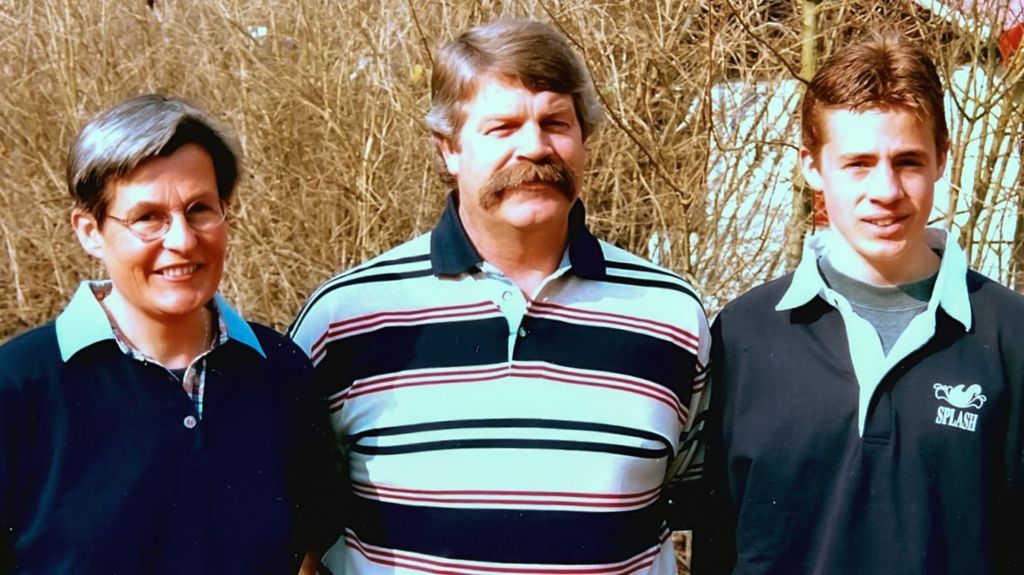
In the quiet, sunlit marina of northern Netherlands one early June morning in 2024, Bas pulled his vehicle alongside the compact campervan that had become the final home for his 70-something parents, Jan and Els. The couple, who had spent nearly their entire married life navigating the Netherlands’ sprawling inland waterways, had been forced to give up their beloved houseboat as age eroded their ability to maintain it, making the marina-adjacent campervan their closest link to a lifetime spent on the water. On that morning, Jan and Els climbed into their son’s car for the very last time: their destination was a local hospice, where the pair would undergo the Netherlands’ legally sanctioned, rarely practiced duo-euthanasia, dying side by side via medically administered lethal medication at 10:30 a.m.
Three days before that final journey, the couple had opened their campervan doors to BBC journalists to share their story. Jan had lived with unrelenting chronic pain for decades, a permanent injury from years working as an inland cargo hauler on Dutch water routes, while Els had received a dementia diagnosis that threatened to strip her of the cognitive capacity to make autonomous end-of-life choices. Their interview resonated across global audiences, and more than two years after their peaceful passing, their only child Bas has now opened up about the tangled, conflicting emotions that defined his experience: he spent weeks gently pleading with his parents to delay their decision for a few more months, even as he fully respected and supported their choice to end their suffering on their own terms. The weight of that dual role, he reveals, left him grappling with profound, disorienting loneliness in the aftermath of their simultaneous deaths.
Bas mapped out a meandering, scenic route to the hospice that wound through the lush meadows and winding canal networks of Friesland, a region his parents had loved for decades. “I can still replay every second of that drive in my head,” he recalls. Els sat in the backseat, while Jan rode up front beside him. For the first stretch of the trip, the three chatted casually, and Bas noted that his mother remained unshakably resolute about their choice to proceed with euthanasia. “My mom was 100% certain this was the right step for them,” Bas explained. “But my dad was visibly emotional, far more vulnerable than I expected.” At one point, Jan turned to his son and asked quietly if the pair were making the correct choice, a question that caught Bas completely off guard: he had assumed Els, who had long spoken of her wish to live to 80 or even 90, would be the one to voice last-minute doubt, not his father, who had openly discussed wanting to pursue euthanasia for more than 15 years to escape his unending chronic pain.
Bas calmed his father with quiet reassurance, and the rest of the drive unfolded in gentle, companionable silence, the three listening to their favorite music as pastoral Dutch scenery rolled past the windows. For months prior, Bas had tried to persuade the pair to push their appointment back: “I kept asking them, why not wait until winter? Why not hold on for another year?” His conflict was visceral: he fully acknowledged that their choice was the most dignified path to end their respective suffering, but he was utterly unprepared to lose both of his parents at once. He knew that delaying even for a few months would carry a catastrophic risk for Els: her Alzheimer’s would have progressed far enough that medical assessors would deem her no longer competent to make the autonomous decision to end her life, barring her from accessing the legal euthanasia process entirely.
When they pulled into the hospice parking lot, Jan paused to say a fond, final goodbye to Bas’s car, a vehicle he had always admired, before the three walked through the facility’s front doors. For the next two hours, a steady stream of close friends and family filtered in to visit the couple, sharing old stories, playing their favorite records, and savoring their final moments together. At one point, Bas was seized by a fleeting, urgent impulse to grab his parents’ hands and tell them to run, to climb back into the car and drive away to abandon the process entirely. But he quickly pushed the thought away, unwilling to plant any seed of doubt that would disrupt the calm, intentional choice they had spent years planning. “It was better to keep everyone steady, and make the most of the time we had left to say proper goodbyes,” he said.
Moments before 10:30 a.m., the attending doctors arrived to administer the lethal medication. Jan and Els lay on adjacent hospital beds, and as they drifted toward unconsciousness, Bas witnessed a tender, rare display of their lifelong affection: the couple, who he had only seen hold hands a handful of times across his entire childhood, laced their fingers together as they passed. “That image gave me such a deep sense of peace,” Bas said. “They really were doing this, every step, side by side.”
For the first 30 minutes after his parents stopped breathing, Bas describes the experience as almost clinical, a detached awareness that their lives had ended. Then the full weight of the loss crashed over him. As an only child with no siblings to share his grief, he was plunged into a profound, all-consuming loneliness that felt like his legs had been cut out from under him. For four to five weeks after their passing, he suffered from physical grief symptoms: persistent nausea, full-body aches, and a sense of disorientation that left him unable to carry out basic daily tasks. “I would never wish this simultaneous loss on anyone else,” he said openly. “It may have been the best, most dignified choice for my parents, but losing both of them in the exact same moment was overwhelmingly, devastatingly impactful.”
New official data from the Netherlands’ Regional Euthanasia Review Committees (RTE) underscores the growing, highly regulated uptake of the practice across the country: in 2024, 9,958 people opted for legal euthanasia, 427 of whom had a dementia diagnosis, with only 6 of those cases classified as advanced dementia. That same year, 108 people (54 pairs total) chose the rare duo-euthanasia path that Jan and Els pursued. Geriatrician and medical ethicist Dr. Rozemarijn van Bruchem of Rotterdam’s Erasmus Medical Centre explains that for patients like Els living with dementia, navigating the narrow window of eligibility for euthanasia creates a unique, agonizing dilemma: patients must prove they are experiencing unbearable suffering, and pass rigorous assessments to confirm they retain full cognitive capacity to make the autonomous choice to die. “They are trapped between two terrible fears,” Dr. van Bruchem explains. “They know that right now they have the capacity to make this choice, but this moment feels too soon. But if they wait a few more months, their dementia may have progressed so far that they no longer qualify. There is no clear line for them to know when the perfect time is, and that anxiety is uniquely created by the legality of euthanasia in the Netherlands. In countries where assisted dying remains prohibited, like the UK, people living with dementia face many hardships, but they never have to grapple with this race against their own cognitive decline to secure a dignified death.”
Jan and Els were acutely aware that their choice would place a heavy emotional burden on their only son, and they invited Bas to attend every single one of their medical assessment meetings, holding open, honest family conversations about every step of the process to avoid the unresolved regrets that often linger for grieving loved ones. Two days before their hospice appointment, Bas drove to their campervan late at night, carrying an eight-page letter he had written for his parents, filled with memories of their shared life, and gratitude for every sacrifice they had made for him. He read the entire letter aloud to them, and the usually reserved, undemonstrative couple – who had always shown their love through acts of service rather than physical affection or verbal declarations – were moved to tears. In a moment Bas says he will cherish for the rest of his life, his father, who he had never once received a hug from as a child, pulled him into a tight embrace. “Everything that needed to be said was finally out in the open,” Bas recalls.
For anyone experiencing distress related to themes of suicide or end-of-life planning, support is available 24/7 via the Samaritans, Befrienders Worldwide, the NHS’s dedicated support line for suicidal thoughts, and the BBC Action Line resources.