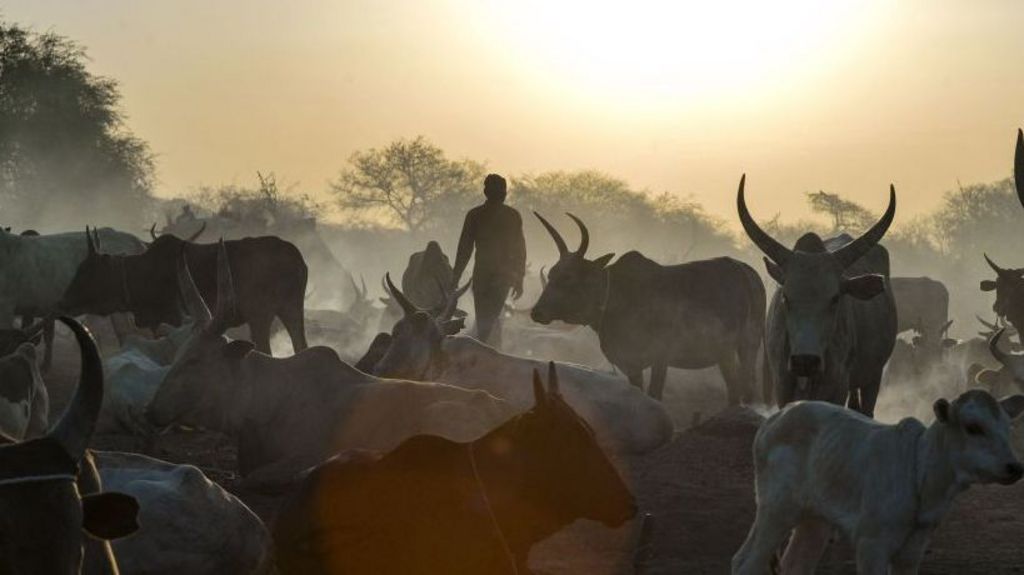
A wave of coordinated inter-communal violence in South Sudan’s northern Warrap State has left at least 72 people dead, confirmed regional government officials in an official statement. The targeted assault unfolded on a Monday in the Akop Payam region, a remote border zone shared by Warrap and Unity States, when armed members of the Lou Ariik community launched a large-scale incursion on settlements belonging to the Apuk Padoch community. Beyond the staggering human toll, attackers stole an uncounted herd of cattle, a core pillar of social and economic life for South Sudan’s rural communities, and set dozens of civilian households ablaze. This latest massacre is not an isolated incident: it follows a smaller deadly skirmish last Friday that claimed 8 lives, marking a rapid escalation of long-simmering inter-communal tensions. For many South Sudanese pastoralist groups, cattle represent far more than livestock: they are a primary store of generational wealth, a marker of community status, and a non-negotiable requirement for young men to pay the traditional dowry needed to marry. This cultural and economic centrality has created a vicious cycle of tit-for-tat revenge raids, where each stolen herd or fatal attack sparks retaliatory violence that can spiral out of control in weeks. Warrap State’s Information Minister William Wol Mayom Bol confirmed that state leadership, led by Governor Angelo Ngot Mayar, has already dispatched emergency response teams to the affected zone. The governor issued formal public condolences to families who lost loved ones in the raid, and issued an immediate directive to local security forces to prioritize evacuating severely injured civilians to nearby medical facilities. State authorities also confirmed that joint security operations are now underway to recover the stolen cattle herds and identify and apprehend every individual who participated in the coordinated assault. Local government leaders have additionally put out an urgent call to international humanitarian organizations to step in and deliver life-saving support to hundreds of displaced vulnerable residents, including women, children, and elderly people who have been left stranded without access to food, clean water, shelter, or critical medical supplies in the wake of the attack. Data from independent conflict monitoring non-profit ACLED underscores how rapidly insecurity has deteriorated in the region in recent months: an attack in the exact same area of Warrap State in August of this year left 60 people dead and 50 others wounded, while a separate violent incursion last March killed 58 civilians and injured 71 more. The spiraling levels of inter-communal bloodshed prompted Warrap State’s leadership to declare a six-month state of emergency last year, a policy intervention that has so far failed to curb the cycle of raids and retaliation. The latest outbreak of violence arrives as South Sudan, the world’s youngest independent nation, races to prepare for its first ever national general election since it gained independence in 2011. The landmark vote has been repeatedly delayed for years, first by the brutal multi-year civil war that tore the country apart, and then by persistent political rifts between top national leaders. A fragile 2018 peace deal signed by long-time rivals President Salva Kiir and then-deputy Riek Machar was meant to pave the way for peaceful elections, but deep-seated tensions between the two men derailed that timeline once again last year: Machar was dismissed from his post as vice-president, arrested, and charged with offenses including murder, treason, and crimes against humanity — allegations he has consistently denied. He has remained under house arrest in the national capital Juba since March of last year, even as low-level armed skirmishes continue to erupt across multiple rural regions of the country. United Nations officials have repeatedly raised public alarms about the rapidly worsening security environment across South Sudan as the scheduled December election date draws near. Human rights watchdogs and independent election observers have also raised widespread concerns that the country’s electoral commission is far behind on critical pre-poll milestones, including full voter registration and deployment of adequate security safeguards to prevent election-related violence, casting serious doubt on whether the vote can be held in a free, fair, and secure manner as planned. For more in-depth coverage of stories across the African continent, audiences can visit BBCAfrica.com, follow BBC Africa on X (formerly Twitter) at @BBCAfrica, connect via the official BBC Africa Facebook page, or follow the platform on Instagram at bbcafrica, where full BBC Africa podcast content is also available.