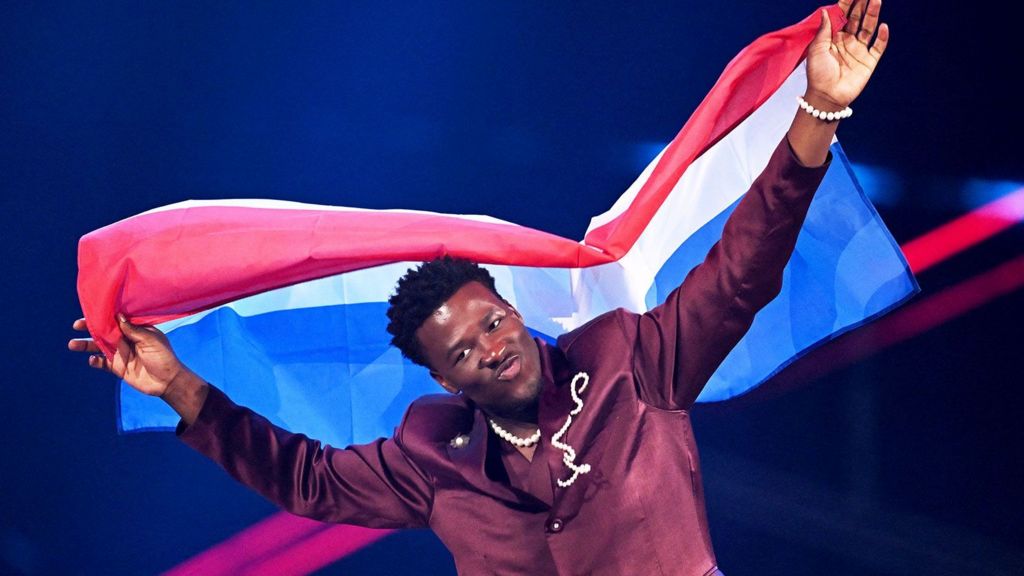
Public Dutch broadcasting governing body NPO has formally reversed its earlier commitment to return to the 2027 Eurovision Song Contest, announcing a full withdrawal rooted in widespread societal sensitivities and deep public division tied to Israel’s ongoing participation in the pan-European music competition. This marks a further shift from the country’s 2026 boycott, when the Netherlands joined Iceland, Spain, Ireland and Slovenia in sitting out that year’s event over widespread criticism of Israel’s military operations in Gaza and the broader Middle East. Initially, NPO had stepped in to fill the gap left by local broadcaster Avrotros, which had previously stated it would not participate in 2027, and pledged last month that the Netherlands would make its Eurovision comeback the following year. However, following extended consultations with affiliated broadcasters, NPO leadership confirmed on Tuesday that they could not land on a viable, broadly supported framework to make 2027 participation work. NPO media director Jurre Bosman noted that Israel’s participation has sparked sharply divergent reactions across Dutch society, fueling contentious public debate and deep rifts that the public broadcaster could not responsibly navigate under current conditions. NPO chair Jet de Ranitz added that while initial talks had suggested enough stakeholder support to return, it ultimately became clear that the timing for rejoining the contest was premature, prompting the organisation to step back temporarily out of respect for the complex, charged themes shaping public sentiment. The broadcaster acknowledged that many dedicated Dutch Eurovision fans would be disappointed by the decision, but confirmed that full broadcast coverage of the 2027 contest will still be available to audiences across the country. Reacting to the announcement, Eurovision Song Contest executive director Martin Green expressed deep regret over the Netherlands’ withdrawal, stating he fully understood and respected the depth of feeling that drove the call. Green noted that contest organisers are well aware that perspectives on Eurovision’s current context vary dramatically both within and across participating nations, and no valid public viewpoint is being dismissed. He emphasized that the longstanding core mission of the contest as a rare unifying platform that brings audiences from Europe and beyond together through shared love of music, creativity and cross-cultural connection remains more vital than ever amid global division, and that organisers are fully committed to protecting that foundational spirit. Green added that the Eurovision team looks forward to welcoming a Dutch representative back to the competition as soon as the country’s broadcasters and public feel the time is appropriate. The 2027 edition of Eurovision is scheduled to be hosted in Burgas, Bulgaria on 15 May, following Irish entrant Dara’s 2026 victory in Vienna with her high-energy dance track *Bangaranga*. It will see Ireland also sitting out the event, while the head of Spain’s public broadcaster has publicly endorsed a boycott of the contest. The Czech Republic has also announced its withdrawal from 2027, though it cited domestic government spending cuts rather than geopolitical concerns as its official rationale. In a bid to mitigate widespread divisions tied to recent contest controversies, Eurovision organisers have rolled out a series of structural reforms, including a new rule barring any nation actively involved in an armed conflict from hosting the competition, alongside sweeping revisions to the contest’s longstanding voting system.