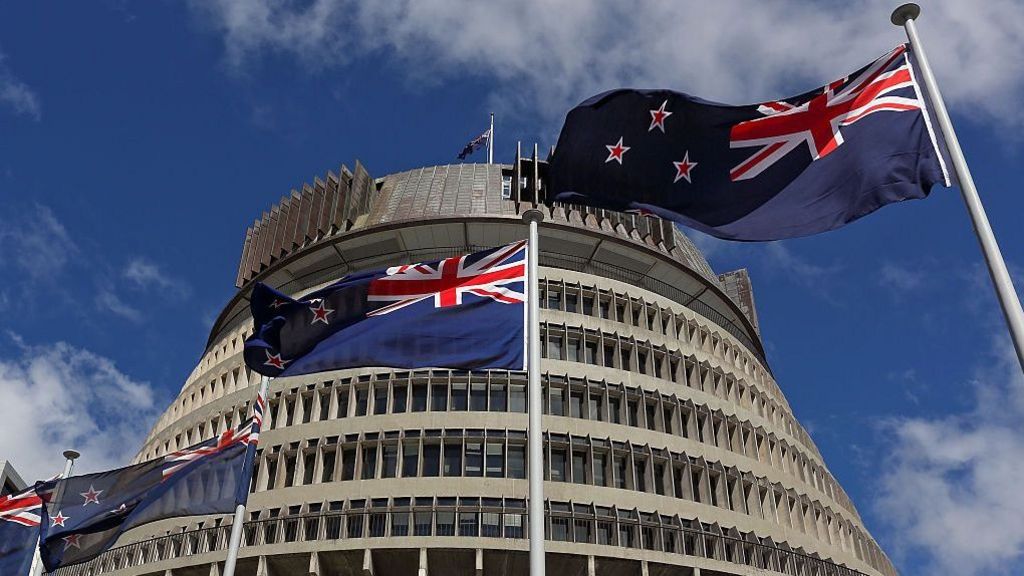
As the three-year parliamentary cycle draws to a close, New Zealand is gearing up for its highly anticipated 2026 general election, with millions of eligible voters set to cast their ballots on 7 November to select the country’s next governing administration. Pre-election polling data paints a remarkably competitive landscape, with no single party holding a decisive lead to secure an outright majority in the 120-seat unicameral parliament. The incumbent centre-right National Party, led by Prime Minister Christopher Luxon, first claimed power in the 2023 election on a platform of robust economic growth, and has since governed in coalition with the ACT Party and New Zealand First. Over its three-year term, the Luxon administration has prioritized balanced fiscal management, a return to budget surplus, and expansions to KiwiSaver, the national public retirement savings program. The ruling coalition’s junior partners have advanced their distinct policy agendas: ACT, under leader David Seymour, has pushed for tighter immigration screening frameworks, while Winston Peters’ New Zealand First has tabled a controversial proposal to restrict voting eligibility exclusively to New Zealand citizens, removing permanent residents from the electoral roll. Standing as the primary opposition force is the centre-left Labour Party, helmed by former Prime Minister Chris Hipkins, which has centered its 2026 campaign on targeted cost-of-living relief, underfunded healthcare system overhauls, expanded public transport infrastructure, and increased investment in social housing, job creation and core public services. Two additional influential minor parties are vying for significant parliamentary representation: the Green Party, co-led by Chlöe Swarbrick and Marama Davidson, has campaigned aggressively for a progressive wealth tax, accelerated renewable energy rollout and expanded public service access, while Te Pāti Māori, the dedicated Indigenous Māori political movement, has listed equitable housing access, culturally competent healthcare, Māori-focused education reform and constitutional transformation as its top policy priorities. New Zealand’s electoral framework operates under the Mixed-Member Proportional (MMP) system, first introduced in 1996 to address longstanding public grievances that small political parties were systematically excluded from parliamentary representation. Under this system, every voter casts two separate ballots: one to select a local constituency representative, and a second to register their preference for a political party. The 71 geographic constituencies are each won by the candidate who secures the highest number of local votes, while the remaining 49 party list seats are allocated strictly proportionally to parties that clear a 5% minimum national party vote threshold. This proportional structure means single-party majorities are extremely rare in New Zealand political history, nearly always requiring cross-party coalition negotiations to form a functional governing administration. A September 2026 Ipsos public opinion survey underscored the dominant issues driving voter decision-making this cycle: 63% of respondents named persistent inflation and the rising cost of daily essentials as the nation’s most pressing challenge, while 44% flagged strained hospital and healthcare services as their top concern, 34% cited broader economic performance, and 21% identified rising unemployment – a figure that has pushed job insecurity past housing affordability to become the country’s fourth highest-priority public issue. Electoral authorities have already launched the voting period: overseas ballots opened on 21 October, in-person advance voting kicked off on 26 October, and polling stations across the country will operate from 09:00 local time on 7 November (20:00 GMT 6 November) until 19:00 that same day. Preliminary unofficial results will be published in real time via the Electoral Commission’s official website starting immediately after polls close, but the full verified official count, including all special and overseas ballots, will not be formally released until 27 November. Given the tight pre-election polling, observers note that a clear governing mandate may not emerge on election night, potentially triggering extended post-vote coalition negotiations that could leave New Zealanders waiting days or weeks to confirm the identity of their next government, which will hold office for the 2026-2029 parliamentary term.