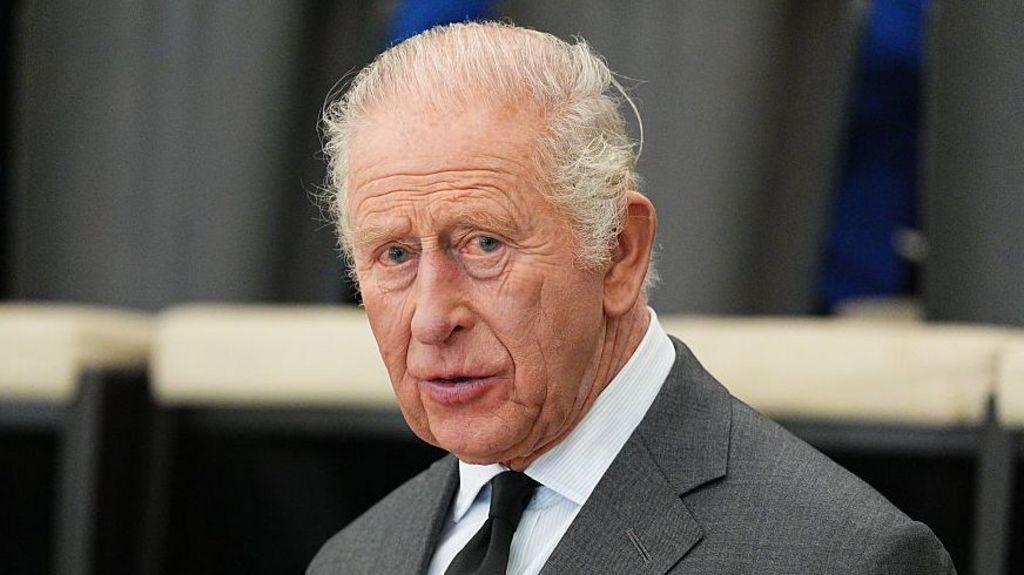
Royal official visits are notoriously unpredictable undertakings: even with months, and in some cases years, of hyper-detailed pre-planning, unforeseen tensions and public pushback can derail carefully laid agendas at any turn. Set to launch this Tuesday, King Charles III’s upcoming nine-day Caribbean itinerary will take the reigning monarch across three nations — the Bahamas, Guyana, and Antigua and Barbuda — where he is scheduled to attend the Commonwealth Heads of Government Meeting (CHOGM), alongside a packed slate of bilateral and community-focused engagements. This journey marks the highest-risk diplomatic mission of Charles’s reign to date, as it places him directly at the epicenter of a long-simmering global reckoning over transatlantic slave trade reparations, public demands for a formal British royal apology for the United Kingdom’s colonial-era atrocities, and growing republican momentum across Caribbean Commonwealth realms. As prominent royal historian and author Sir Anthony Seldon emphasized, the trip brings unprecedented uncertainty for the monarchy, noting that widespread public and political scrutiny over slavery’s enduring legacy is putting the institution’s core moral integrity under unprecedented public examination. Per longstanding guidance from the UK’s ruling Burnham administration, which has maintained the same official position as its predecessors that it will not issue formal reparations payments for historical slavery, King Charles will not deliver a formal public apology for Britain’s role in the transatlantic slave trade during his tour. Senior royal aides have clarified that while the King will not shy away from acknowledging the “darkest chapters” of shared Anglo-Caribbean history, formal decisions around state apologies and reparations policy fall exclusively under the purview of elected UK government officials, not the sovereign. Buckingham Palace has confirmed that deliberate, public recognition of historical colonial harms will be woven into every scheduled stop across the three host nations, but royal planners are fully prepared for organized protest, public dissent, and campaign activity focused on reparations, official apologies, and republican transition. Planning teams have explicitly integrated provisions for peaceful demonstrations into security frameworks, framing them as a natural and accepted feature of the region’s vibrant democratic public discourse. Palace teams have also carried out exhaustive pre-trip risk assessments to avoid repeating the public relations missteps that marred the 2022 Caribbean tour of the Prince and Princess of Wales, where viral footage of the royal couple greeting local children through a wire fence drew widespread backlash for appearing tone-deaf, and several events were scrapped entirely due to unplanned public protests. While government leaders in all three host nations have publicly signaled they will celebrate King Charles’s longstanding advocacy for rainforest conservation, cross-cultural exchange, and strengthened bilateral cooperation on trade, renewable energy, and agricultural development, all three heads of state have formally endorsed the global demand for reparatory justice for slavery. In the Bahamas and Antigua and Barbuda, where King Charles remains the official head of state, public and political support for transitioning to a republican system of government has surged in recent years, with Antigua and Barbuda already eliminating a 40-year-old legal requirement for newly elected public officials to swear a formal oath of allegiance to the British monarch. The high-stakes tour also unfolds against a chaotic backdrop of domestic royal distractions in the UK: the past three months, which were intended to be a quiet summer period for the royal household based at the King’s Scottish residence, have been dominated by relentless tabloid coverage of the surprise return of the Duke and Duchess of Sussex to British soil, public disputes stemming from Earl Spencer’s newly released memoir criticizing the King’s handling of Princess Diana’s 1997 death, and explosive recent allegations involving Meghan, Duchess of Sussex’s father Thomas Markle that have dragged the royal family into a global narrative involving international law enforcement and claims of abuse. The 77-year-old King, who continues to receive ongoing regular treatment following his public cancer diagnosis, is operating on an extraordinarily intense schedule of roughly 36 separate engagements across the nine-day trip, though Buckingham Palace has repeatedly confirmed he remains on a “positive trajectory” in his health recovery. Queen Camilla, who will turn 80 next July and has previously spoken publicly about the physical toll of fast-paced royal travel in tropical climates, will only join the King for the final leg of the tour in Antigua and Barbuda, where she will participate in CHOGM events alongside her own dedicated portfolio of engagements focused on youth literacy and global efforts to end gender-based violence. Former UK Foreign Secretary David Lammy, a Labour MP with deep multigenerational family ties to Guyana and Antigua and Barbuda who has joined the King on multiple prior overseas state visits, noted that the sovereign’s presence delivers significant diplomatic validation for small Caribbean nations, while acknowledging that the region’s lively democratic culture will inevitably include pockets of vocal public dissent. Seldon added that if King Charles can navigate the tour’s delicate political and social nuances as deftly as he handled his widely praised earlier diplomatic meeting with former U.S. President Donald Trump — where he deftly asserted British national interests without provoking unnecessary diplomatic friction — the trip could emerge as a landmark success that reinvigorates ties across the Commonwealth and demonstrates the monarchy’s capacity for empathetic, thoughtful engagement with historical injustice.