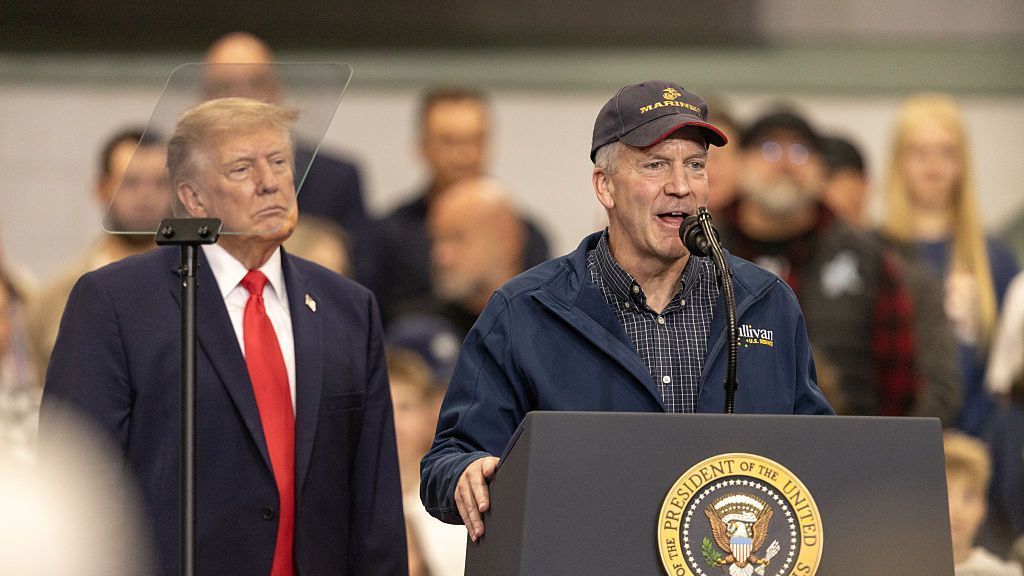
The US Department of Justice under the Trump administration has launched a federal legal challenge that could halt official certification of Alaska’s 2026 US Senate race if incumbent Republican Senator Dan Sullivan falls short of victory, citing voter confusion risks stemming from a second candidate sharing the exact same full name on the ballot. The suit, formally filed in federal court last Thursday, argues that the presence of a retired local teacher also named Dan Sullivan on the general election ballot creates a high probability that a significant share of Alaska voters will accidentally cast their ballots for the non-partisan, lesser-known candidate when intending to vote for the sitting GOP senator. Multiple pre-election public opinion surveys have painted a picture of an extraordinarily competitive contest between the incumbent Sullivan and his leading Democratic rival Mary Peltola, with Peltola currently holding a slim but consistent edge among likely voters. The legal petition submitted by the administration requests that the presiding federal judge issue a formal order prohibiting Alaska state election officials from finalizing and certifying the race’s results in the event that Senator Dan Sullivan loses by a vote margin smaller than the total number of ballots cast for the retired teacher sharing his name. This latest legal maneuver follows two earlier attempts by the incumbent’s campaign and state Republican operatives to force the second Dan Sullivan off the general election ballot, petitions that were unanimously rejected by the Alaska Supreme Court in prior rulings. Under Alaska’s longstanding ranked-choice voting framework, voters who are uncertain about the two identically named candidates even have the option to rank both of them on their ballots, a quirk that state courts previously noted as a mitigating factor against widespread disenfranchisement during the earlier ballot access hearings. The high-stakes legal fight unfolds as part of the broader 2026 US midterm election cycle, with control of the evenly divided US Senate hanging on the outcome of a small handful of competitive races across the country.
Trump administration sues to block certification of upcoming Alaska election