A decades-long debate over Alberta’s place in Canadian confederation reached a pivotal turning point this week, as preliminary referendum results show more than two-thirds of the province’s voters rejected a call for a binding separation vote, delivering a decisive blow to the provincial separatist movement that could push the idea back to the political margins for years to come.
The outcome, which was broadly in line with pre-vote polling, still marked a bitter disappointment for separatist leaders who spent more than a year organizing and campaigning to put the question to voters. When asked by the BBC for a one-sentence reaction to the results, separatist leader Mitch Sylvestre offered only a blunt, dejected response: “Not happy.”
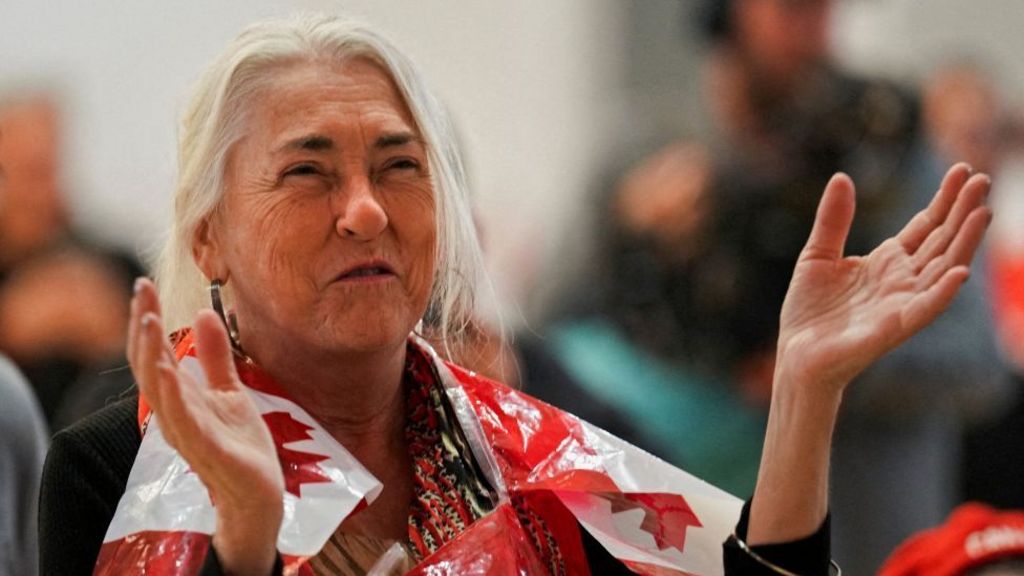
At a pro-separatist results watch party in Calgary, movement leaders refused to concede the fight was over, insisting the debate over Alberta’s relationship with the federal government will continue to shape provincial politics for the foreseeable future. “We plan to roll up our sleeves and work harder,” said Jeffrey Rath, a Calgary-based lawyer and leading separation advocate, who added that Premier Danielle Smith has now lost the confidence of the United Conservative Party’s (UCP) restive pro-separatist base. Fellow separatist Keith Wilson echoed that sentiment, telling supporters that while the vote had concluded, “the conversation about Alberta’s future in Canada and our place in Canada and our role in Canada will continue.”
Supporters of Canadian unity celebrated the outcome almost immediately, with Prime Minister Mark Carney noting in an official statement that “Albertans made a clear choice” to remain part of the country. At a pro-unity gathering in Edmonton, prominent unity campaigner Thomas Lukaszuk called the early results a point of pride for the province, while acknowledging that many of the grievances raised by separation advocates are legitimate. “I don’t want to see us doing another referendum like this ever again,” Lukaszuk told the crowd, urging the province to prioritize healing deep divisions laid bare by the public debate.
The referendum was the product of a high-stakes political gamble by Premier Smith, who openly campaigned for a pro-unity result but lowered the petition threshold to allow the citizen-led separation question to reach the ballot. To bypass a court ruling that blocked the original petition for failing to consult Indigenous First Nations communities whose lands would be affected by separation, Smith structured Monday’s vote as non-binding. The gamble, which aimed to appease her party’s pro-separatist base while all but guaranteeing a defeat for separation, is now expected to trigger renewed challenges to her leadership of the UCP, which she has led since 2022.
Many pro-unity voters told the BBC their decision was driven by two core concerns: a desire to maintain Canadian national unity amid growing tariff threats from the United States, and fears that an independent Alberta would become vulnerable to external influence and even annexation. Pro-separation sentiment in the province has deep, longstanding roots in the concept of “western alienation,” a decades-old grievance held by some in western Canada that the federal government based in central Canada systematically ignores the region’s interests. In recent years, that resentment has intensified, with many Albertans across the political spectrum arguing that federal environmental policies have undermined the province’s critical oil and gas sector. Frustration over former Prime Minister Justin Trudeau’s COVID-19 pandemic response and vaccine mandates further deepened anger, with many viewing those measures as a clear example of overreach by Ottawa.
Carney, who was raised in Alberta, has already moved to address some of the province’s concerns, signing an agreement with Smith to advance construction of a new pipeline from Alberta to Canada’s Pacific Coast. In his statement on the referendum results, Carney reaffirmed his administration’s commitment to leveraging the province’s energy resources, saying his plan “unlocks Canada’s full potential as a global energy superpower with Alberta at its core.” Still, political analysts note future tensions between Carney and Smith, a veteran politician who has thus far survived Alberta’s notoriously fractious political landscape, are likely.
Alongside the separation question, Smith put nine additional ballot measures before voters Monday, all designed to win greater autonomy for Alberta from the federal government on issues ranging from immigration to natural resource policy. Preliminary results suggest many of these measures are on track to pass, a development Smith says will give the province increased leverage in negotiations with Ottawa, even as separation is taken off the table. Many pro-referendum voters have said they did not necessarily support full independence, and only backed the question to gain more negotiating power with Ottawa.
Separatist leaders point to Quebec’s decades-long sovereigntist movement as a blueprint for their future, noting that separation referendums in 1980 and 1995 were defeated by narrow margins, but the threat of separation allowed Quebec to win significant new autonomy over provincial affairs. Even with support for Quebec sovereignty at historic lows, the province’s newly elected pro-sovereigntist government has pledged to hold a third separation referendum by 2030. Rath argues that path is open for Alberta as well: “A predominantly rural Independence Party in Quebec has just formed the government of Quebec with 28% of the vote. It’s not out of the realm of possibility,” he added, that Alberta separatists could replicate that success in future elections.