A 35-year-old Saudi national and former OpenAI engineer is at the center of a high-stakes espionage case rocking the global artificial intelligence sector, with new federal court filings in California alleging his alleged plot to plant a covert recording device in an OpenAI conference room received substantial backing from the Saudi government.
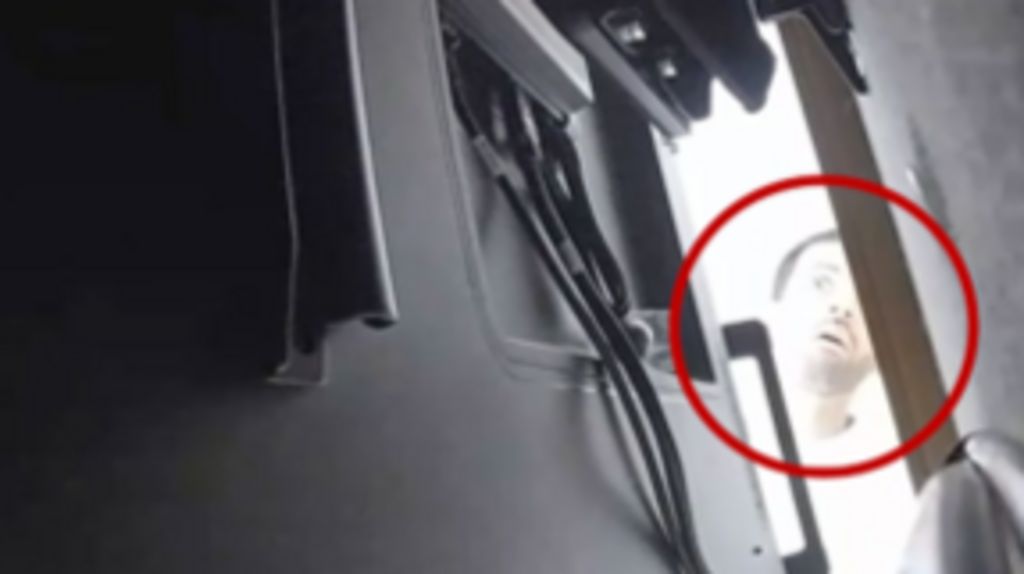
Abdulrahman Alfozan, who had been employed by the leading AI research firm for roughly one year before the incident was uncovered, stands accused of strategically placing the audio bug behind a conference room television, concealing the device with a layer of toilet paper to avoid detection. OpenAI’s internal security team first discovered the planted device on September 30, prompting an immediate investigation in partnership with the Federal Bureau of Investigation.
To catch the individual responsible, investigators installed a hidden monitoring camera in the compromised conference room. Just five days later, on October 5, footage captured Alfozan entering the space and appearing to check on the hidden recorder, according to court documents. He was taken into FBI custody four days after that, on October 9, and OpenAI moved quickly to terminate his employment with the company.
Prosecutors have laid out striking new allegations about ties between Alfozan and senior Saudi government officials. Court filings claim the former engineer maintained regular, frequent communication with a sitting member of the Saudi royal family. They also outline that after Alfozan’s arrest, a senior member of the Saudi military paid for a one-way international flight for Alfozan’s wife and son to leave the United States.
The timeline of the planned travel raises further red flags for investigators: Alfozan was scheduled to depart San Francisco for Riyadh on a one-way ticket alongside his family just three days after his arrest, on October 12. In an interview with FBI agents following the arrest, Alfozan’s wife stated her U.S. visa was approaching expiration, and that she, her son, and her husband planned to permanently relocate back to Saudi Arabia. The day after Alfozan was taken into custody, his wife and son flew from San Francisco to Doha, Qatar, on a one-way business class ticket fully paid for by the Saudi military official, prosecutors confirmed.
In arguments for denying bail, federal prosecutors emphasized that Alfozan has almost no incentive to remain in the U.S. to face his upcoming trial, given his family has already left the country and he planned permanent relocation to Saudi Arabia. On Monday, U.S. District Judge Alex Tse sided with prosecutors, formally denying Alfozan’s bail request and ruling the risk of him fleeing the country to avoid prosecution is unacceptably high. Alfozan was deemed an active flight risk and will remain in federal custody ahead of his trial, with a new court appearance scheduled for later the same Monday in San Francisco’s federal courthouse.
Prosecutors also warned that Alfozan’s alleged conduct poses a tangible threat to U.S. national security. The conference room where the recording device was planted regularly hosts meetings between OpenAI top executives and senior U.S. government officials, meaning sensitive conversations could have been captured during the period the bug was active, the filing notes.
If convicted on the current charges, Alfozan faces a maximum sentence of five years in federal prison and a fine of $250,000. As of this reporting, the FBI’s full investigation into the case remains ongoing, and the Saudi government has not yet issued a public response or comment to multiple requests for statement from press outlets including the BBC.