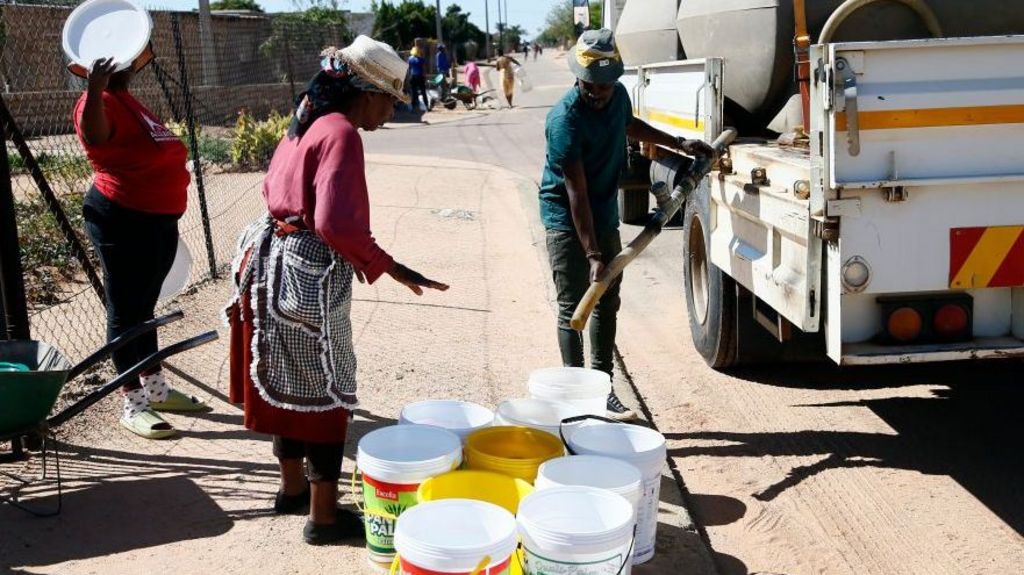
In the Tshwane metropolitan area encompassing South Africa’s capital city of Pretoria, a new public health emergency has emerged after contaminated water left more than 400 people sickened and prompted officials to issue an urgent advisory for residents to avoid using tap water for consumption or cooking. Over a two-week monitoring period, local hospitals recorded hundreds of cases of acute gastrointestinal illness marked by severe stomach cramps and diarrhoea, with most patients being children under the age of four. While no fatalities have been reported in this outbreak, laboratory testing confirmed high levels of E. coli bacteria in the regional water supply. Additional testing also identified other harmful pathogens including norovirus, campylobacter, and shigella – all agents linked to acute gastrointestinal illness. The latest contamination incident adds to a troubling pattern of repeated waterborne disease outbreaks in the region surrounding Pretoria over the last several years. In 2023, a cholera outbreak in the Hammanskraal township, located just outside Pretoria, killed 29 people and was traced back to inadequate water purification protocols. Then in 2025, 48 confirmed cases of typhoid were recorded in the same eastern Pretoria region, though the source of that outbreak has never been officially identified. In the current incident, no cholera bacteria has been detected in water samples. In a joint statement released on Monday, South Africa’s Department of Water and Sanitation and Department of Health confirmed that 408 cases were recorded between October 7 and October 18 across five local townships. Early investigations point to failures at the local water treatment facility that supplies these communities, with officials confirming that exposure to contaminated water from this facility is the direct cause of the current outbreak. Investigators also found that local authorities failed to issue a timely warning to residents after the contamination was first detected. The regional water supply has now formally been declared unfit for human consumption, with officials urging residents to only use tap water for non-essential purposes such as flushing toilets. Emergency response teams have already dispatched a fleet of water tankers to deliver clean, potable water to affected communities. Officials have also issued guidance for residents, advising them to dispose of any previously stored tap water and disinfect all water storage containers using standard household bleach. Public health officials are continuing to monitor the situation closely, with ongoing testing of water sources and contact tracing to prevent further spread of illness.
Residents warned not to drink tap water after hundreds fall sick near South Africa capital