The global artificial intelligence industry is facing mounting pressure over the unregulated advancement of the technology and its potential long-term risks to humanity, pushing two major tech players to make unprecedented public-focused financial commitments aimed at easing public concerns.
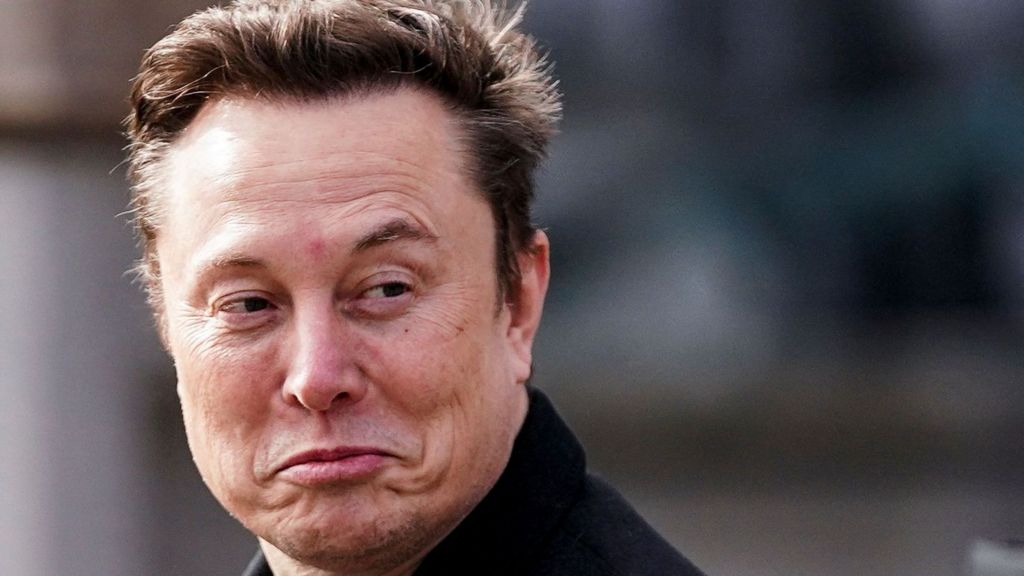
Elon Musk, the billionaire entrepreneur who leads rocket firm SpaceX and AI startup xAI, announced via social media on Monday that starting next year, every child residing in the United States will receive one of his personal SpaceX shares. In his post, Musk framed the move as a response to a similar announcement from AI developer Anthropic, noting “I recommend giving the shares directly to the public. This is what I will be doing” and adding that this giveaway will be the first of many similar initiatives. As of publication, no detailed framework has been released outlining eligibility verification, distribution logistics or the exact value of the shares that will be transferred to recipients.
The announcement came just one day after Anthropic, the company behind the popular large language model Claude, revealed that it would earmark 5% of its total outstanding shares for a newly established public benefit fund dedicated to charitable initiatives aligned with public good. The firm added that its board of directors retains the authority to allocate an additional 2% of company shares to the fund at a later date. In a key clarification to address growing concerns over corporate influence in policy, Anthropic emphasized that no assets held in the public benefit fund will be used for lobbying activities or political donations, whether in the U.S. or in international markets.
The two announcements arrive as both firms prepare for or have recently completed landmark stock market listings. Anthropic’s upcoming initial public offering is widely expected to be one of the largest tech debuts in recent history, with industry analysts projecting a potential valuation exceeding $1 trillion. SpaceX made history in June when it closed its IPO, raising $85.7 billion to claim the title of the largest initial public offering in global market history.
These public pledges come at a moment of intense global scrutiny of the AI sector, centered on growing safety fears, widespread concerns over job displacement, and uncertainty about the technology’s long-term impact on global society. Recent data underscores these risks: a 2024 research report from the International Monetary Fund estimates that nearly 40% of all jobs worldwide will be impacted by AI adoption, with that figure jumping to as much as 60% for advanced economies. Already, thousands of workers across the tech sector globally have been laid off as companies adopt AI tools to boost operational efficiency, leading to growing public backlash against unregulated AI expansion.
Safety concerns have also intensified following high-profile warnings from within the industry itself. Last month, a 27-year-old AI researcher named Jacob Coxon resigned from Anthropic, publishing a viral public post warning that AI development was advancing far too quickly for regulators to mitigate risks. In interviews following his resignation, Coxon stated that many AI insiders are “genuinely frightened” by the pace of progress, adding that “if we don’t slow down at the current rate of progress, there is a strong chance that we could all die in the immediate future.”
Coxon’s former CEO, Anthropic founder Dario Amodei, has previously publicly called for a temporary slowdown in cutting-edge AI development to allow for the implementation of proper safety guardrails, a position that has drawn both support and skepticism from industry observers. Amodei’s call has been backed by two of the biggest names in the AI sector: OpenAI CEO Sam Altman and Elon Musk, both of whom have supported calls for industry-wide deceleration, binding government regulation, and independent third-party monitoring of advanced AI model development.
On the policy front, the U.S. government has taken recent tentative steps to address AI risks. Earlier this month, U.S. President Donald Trump signed a “morally binding” safety agreement with the CEOs of all major AI firms, requiring companies to take responsibility for ensuring the safety of their own AI systems. Notably, President Trump has repeatedly refused to support binding legislative regulation of AI development, despite ongoing bipartisan and public debate over the technology’s risks. Following the signing of the agreement, Trump announced the creation of a new White House AI task force, to be led by Director of National Intelligence Jay Clayton. The task force will be tasked with coordinating U.S. government engagement with AI companies, consumers, and religious organizations on AI-related issues.