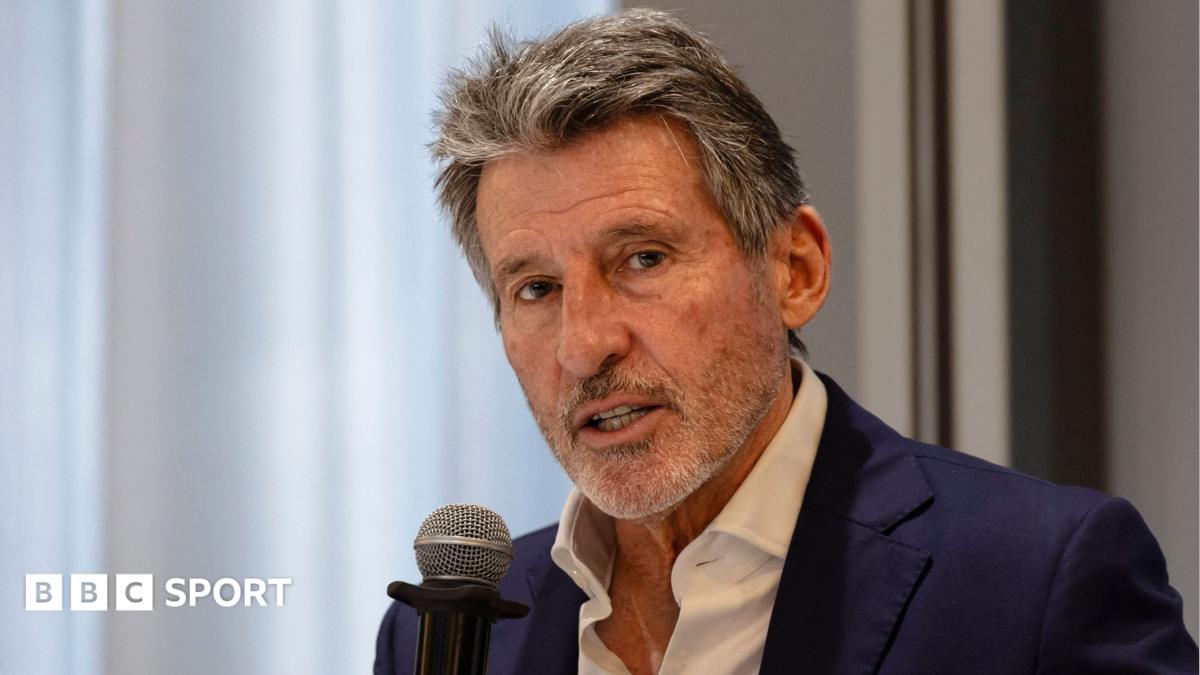
For the first time in history, the World Athletics Championships will touch down on African soil, and outgoing World Athletics President Sebastian Coe is framing the 2029 tournament in Nairobi as a transformative opportunity to build a lasting, multi-layered legacy for the continent.
Kenya’s capital secured hosting rights last month, beating out competing bids from London and Rome to break the mold for one of track and field’s most prestigious global events. The milestone comes four years after Kenya fell short in its bid for the 2025 Championships, a disappointment Coe says made this historic selection even more meaningful. In an interview with BBC Focus on Africa, Coe noted that every instinct around the decision pointed to expanding the sport’s footprint across Africa. “All our instincts – and certainly mine – was to have that opportunity to build our sport to an even higher level in the continent,” he said.
Coe emphasized that the legacy of the 2029 event will extend far beyond the closing ceremony. Beyond the tangible infrastructure gains of a newly upgraded competition venue, the tournament will cultivate critical local expertise and experience that will enable Kenya and other African nations to host more major international events in the future. “That’s the legacy of experience and expertise,” Coe explained.
The coming years will mark a busy period for Kenya’s sports calendar: the country will co-host the 2027 Africa Cup of Nations football tournament alongside neighboring Tanzania and Uganda, and the Kasarani Stadium – already undergoing renovations for the 2027 continental football event – will serve as the main venue for the 2029 World Athletics Championships. During a visit to Nairobi Wednesday where he met with Kenyan President William Ruto, Coe acknowledged that significant work remains to get the nation ready to welcome thousands of elite athletes and global spectators. He stressed that this note of caution is standard for any newly selected host city, given the enormous complexity of staging the World Athletics Championships.
The flagship event generates more than 90% of World Athletics’ annual revenue, funding that is critical to supporting global development programs, competition expansion, innovative new race formats, and grants for member federations around the world. Staged over nine days with 2,000 competing athletes across 46 different disciplines, the Championships require seamless cross-organizational coordination to deliver an optimal environment for athletes to hit peak performance – a priority Coe says remains at the center of all planning efforts. “Our overall objective must be to provide the best possible environment for the athletes, and the fans will appreciate it as well,” he added.
One key challenge that Kenya must address ahead of 2029 is its long-standing record of doping violations. Since 2017, more than 140 Kenyan athletes, the vast majority of them elite distance runners, have been suspended by the Athletics Integrity Unit (AIU), the independent anti-doping body Coe established shortly after he first took office as World Athletics president in 2017. Earlier this month, World Anti-Doping Agency President Witold Banka told the BBC that Kenya must prove it can host a “clean” World Championships to protect the sport’s credibility ahead of the tournament.
Despite these ongoing challenges, Coe says he is confident Kenya is already making meaningful progress to turn the tide on doping. He recalled successfully persuading the Kenyan government to increase funding for national anti-doping programs, investments that are already starting to deliver results. Coe noted that increased testing, improved funding, and more advanced anti-doping technology have naturally led to more violations being detected – a sign of progress, not failure. “If you want to catch fish, you have to go fishing,” he said. Over the long term, Coe projects that the number of doping violations will decline, pointing to already visible improvements in track and field events, even as challenges remain in road running competitions.
Coe’s third and final term as World Athletics president is set to conclude next year, bringing a close to a tenure that has prioritized expanding the sport’s global reach and strengthening anti-doping safeguards.