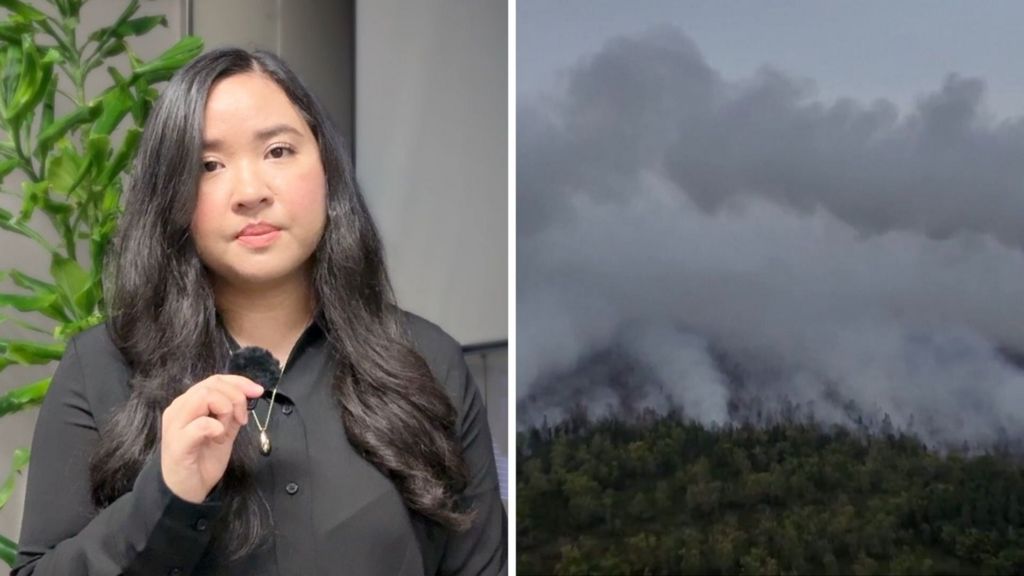
Indonesia is currently grappling with a public health emergency sparked by toxic smog drifting from raging seasonal wildfires, new data shows. Since the start of August, nearly 175,000 people across the archipelago have developed respiratory illnesses linked directly to exposure to the hazardous air pollution.
The annual wildfire crisis, which is often amplified by dry El Niño weather conditions and uncontrolled land clearing for agricultural expansion, has sent plumes of fine particulate matter and toxic chemicals billowing across populated regions of the country. Unlike regular air pollution, wildfire smog carries a concentrated mix of carcinogens and irritants that penetrate deep into the lungs and bloodstream, worsening pre-existing conditions and triggering acute illness even among otherwise healthy people.
Local health authorities have deployed mobile clinics to hard-hit areas to treat affected residents, but ongoing poor air quality continues to drive new cases daily. The crisis has also renewed calls for more coordinated national and regional action to address the root causes of recurrent wildfires, as climate change continues to exacerbate dry conditions that turn land clearing accidents into out-of-control blazes.
The public health impact extends beyond immediate respiratory issues, with researchers warning that long-term exposure to this level of toxic smog can lead to chronic cardiovascular problems, impaired child development and increased mortality risk for vulnerable groups including the elderly and immunocompromised.