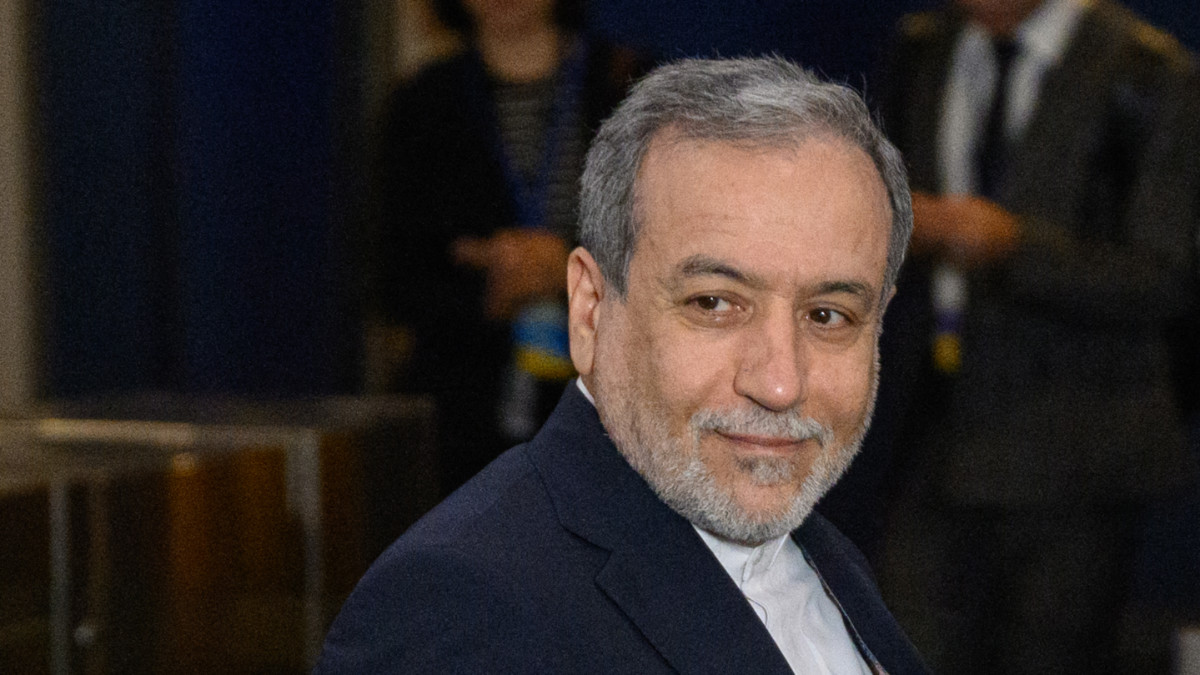
Against the backdrop of the annual United Nations General Assembly in New York City, a historic moment unfolded on Tuesday: Iranian Foreign Minister Abbas Araghchi held a public, high-profile meeting with United States special envoy Steve Witkoff, marking the first formal, public encounter between the two long-adversarial nations in months. The discussions centered on negotiating binding terms to end their ongoing open conflict, a development that has sent ripples across global geopolitical circles.
According to multiple senior Gulf officials speaking exclusively to Middle East Eye, regional powers have been working behind the scenes to orchestrate an unplanned, informal encounter between US President Donald Trump and Iran’s newly inaugurated President Masoud Pezeshkian on the UNGA sidelines. However, multiple logistical and political hurdles have complicated those efforts so far, leaving the prospective meeting in limbo.
Qatar has emerged as the primary Gulf facilitator for the Araghchi-Witkoff talks, taking the lead among regional states that have spent days pushing for renewed US-Iran diplomatic engagement ahead of the General Assembly’s official kickoff. Over the weekend, both Qatar and the United Arab Emirates publicly called for de-escalation of tensions and constructive dialogue with the Islamic Republic, signaling regional anxiety over the risk of broader conflict.
In comments to reporters following the meeting, Trump confirmed that the bilateral talks between the two nations’ mediators were “very good” and productive – a striking contrast to the hardline rhetoric he deployed moments earlier during his address to the UN General Assembly, where he threatened to “annihilate” Iran outright. “They had a very good meeting, a very productive meeting; they have another one scheduled in the very near future,” Trump told reporters during a side meeting with Ukrainian President Volodymyr Zelensky. When asked about the prospects of reaching a new comprehensive agreement, Trump framed the outcome as binary: “I can’t imagine why they wouldn’t want to do it. It’s potential greatness, or obliteration.” For his part, Witkoff offered a similarly optimistic off-the-cuff assessment, telling reporters “I feel very good right now” when queried about the trajectory of the negotiations.
Direct US-Iran negotiations have been stalled since June, when a temporary ceasefire extension collapsed after weeks of fragile compliance. In the months since, both sides have carried out repeated strikes on commercial and military vessels transiting the Strait of Hormuz, a critical global chokepoint for 20% of the world’s oil trade, as each moves to assert de facto control over the waterway.
Later Tuesday, Iranian state media officially confirmed the meeting between Araghchi and Witkoff, and disclosed that the Iranian foreign minister had formally submitted Tehran’s core negotiating terms to reopen the Strait of Hormuz to unimpeded commercial traffic. Per Iranian state media, Iran’s core demands have not shifted in broad strokes: Tehran is calling for the immediate lifting of the US naval blockade in the region, the full release of all Iranian assets frozen by American sanctions, and a complete end to US-backed hostilities across all Middle Eastern “resistance” fronts where Iran-aligned groups operate.
While the broad outlines of Iran’s demands mirror those presented in June’s failed talks, a senior unnamed Iranian official indicated that Tehran has hardened its negotiating position significantly. In an earlier interview with Agence France-Presse, Hossein Mohebi, spokesperson for Iran’s powerful Islamic Revolutionary Guard Corps (IRGC), clarified that Tehran is now demanding the full release of all $24 billion in frozen Iranian assets up front, rather than the phased release that was on the table in June negotiations. Mohebi also added a new, non-negotiable demand: any final ceasefire agreement must include the lifting of Saudi Arabia’s blockade on Houthi-controlled territories in Yemen, a provision that was not part of June’s draft framework. “The issue of Yemen was not on the agenda of the previous agreement. We are now demanding that the lifting of the blockade on Yemen be included in the agreement,” he stated.
In June, Iran tied any bilateral ceasefire with the US to a separate Israeli commitment to halt its military strikes against Hezbollah, Iran’s key ally in Lebanon. To date, Israeli airstrikes on Lebanese territory have continued unabated with no sign of a pause. That June ceasefire framework also included a US commitment to release a portion of Iran’s frozen assets, a move that drew fierce bipartisan criticism from pro-Israel lawmakers and commentators in Washington. The breakdown of the ceasefire shortly after the framework was agreed left it unclear whether any of the pledged funds were ever transferred to Tehran.
Mohebi’s comments also laid bare open internal friction between Iran’s hardline military establishment and its civilian diplomatic corps. While Iranian state media openly confirmed Tuesday’s meeting with Witkoff, Mohebi had publicly ruled out any diplomatic engagement with the US earlier that same day. “The Americans have tried to contact us, but we refuse any such contact. Our dealings with the enemy, as long as they remain hostile, are conducted solely through arms,” he said prior to the meeting’s confirmation, highlighting the competing power centers shaping Iran’s negotiating position.