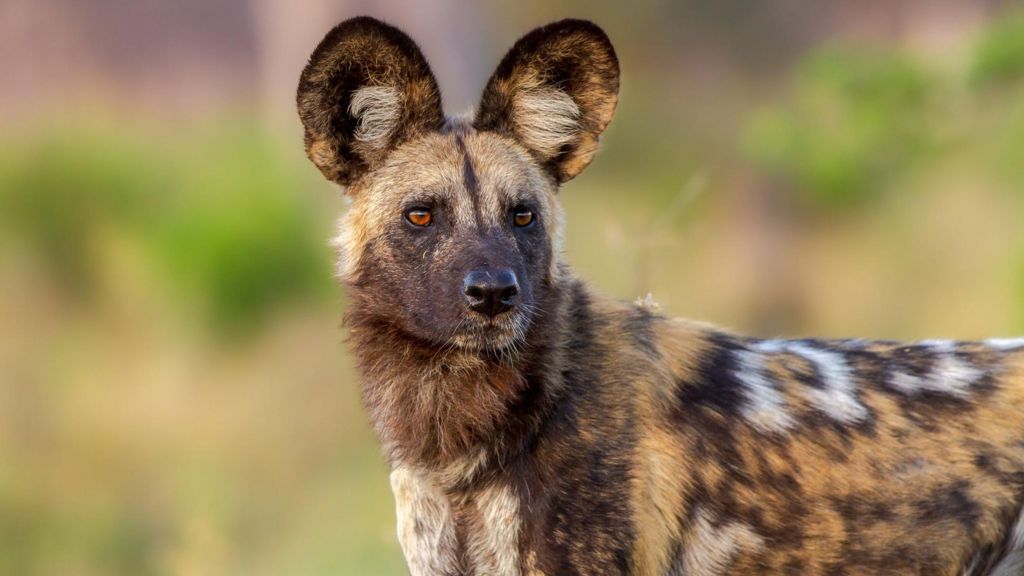
Against a backdrop of shrinking wilderness and expanding human development across southern Africa, a pack of three young African wild dog brothers has achieved a feat never before recorded for a continental land mammal: an epic 4,000-kilometer (2,485-mile) dispersal journey in search of a mate. Scientists say this unprecedented trek not only reveals the remarkable resilience of one of Africa’s most endangered predators, but also reshapes current understanding of how large roaming species can survive amid growing human pressures.
African wild dogs, classified as one of the continent’s rarest carnivores with only roughly 6,000 individuals remaining in the wild, have evolved a unique social and biological drive for long-distance travel. Unlike seasonal migrations, where animals move back and forth between habitats to access food or water, dispersal is a one-way trip undertaken by young adults that leave their birth pack to avoid inbreeding and seek out new packs and mating opportunities. At 2 to 3 years old, these dispersing canines either wait to inherit leadership of their native pack or strike out across unfamiliar terrain to build new social groups.
Over eight months of GPS tracking, the three brothers covered just 418 kilometers (260 miles) in a direct straight line, but their zigzagging route through a landscape fragmented by human development pushed their total travel distance to nearly 10 times that figure. Their path cut across Zambia, weaving between isolated protected wildlife strongholds, skirting major human population centers including the capital city Lusaka, and navigating around large industrial and agricultural developments that have split the region’s once-continuous wild habitats into disconnected fragments.
This journey stands as the longest recorded dispersal trip ever documented for an African land mammal, far outstripping the 640-plus kilometer seasonal migrations of wildebeest between Tanzania and Kenya that the UN Convention on Migratory Species previously recognized as Africa’s longest large mammal movement. While other terrestrial species globally travel longer annual distances – including gray wolves, which have been recorded covering more than 7,000 kilometers in a year, and caribou, which complete 1,350-kilometer round-trip seasonal migrations – the African wild dogs’ 4,000-kilometer one-way dispersal sets a new record for the continent.
For conservation scientists, the significance of the journey extends far beyond the distance itself. The fact that the pack successfully navigated human-altered landscapes to cross from one protected area to another suggests that wild dog populations across eastern and southern Africa may be more genetically connected than researchers previously assumed. This connectivity is critical for the long-term survival of endangered species, as it maintains genetic diversity and prevents the negative effects of inbreeding in isolated populations.
“This discovery gives us reason for cautious optimism,” explained Professor Scott Creel, lead author of the study published in the journal *Ecology* and a researcher at Montana State University who has studied African wild dogs for more than 30 years. “It’s plausible to believe that every major unfenced wild dog population in eastern and southern Africa is potentially connected.”
Yet the study also offers a stark reminder of the ongoing threats facing the species, highlighting that conservation efforts still face major hurdles. Of the six dispersing wild dogs tracked for the research – three brothers and three sisters – only the three males completed their journey. One female was caught in an illegal poaching snare early in the trip, ending the pack of sisters’ journey, and both that female and a second sister ultimately died from human-related causes. GPS data showed surviving pack members repeatedly returned to the location where the females were last detected, a behavior researchers say typically signals mourning for a lost companion.
Creel emphasized the dual nature of the findings, noting that “in conservation, the glass is half empty and the glass is half full.” The illegal snare traps set by poachers remain a deadly, pervasive threat across the region, even for species as mobile and adaptable as wild dogs.
The study’s conclusions add new urgency to longstanding conservation calls for the creation of wildlife corridors: strips of intact natural habitat that connect isolated protected areas split apart by roads, expanding towns, and agricultural development. Bruce Ellender, co-author of the paper and Kafue Conservation director for the environmental non-profit The Nature Conservancy, explained that wide-ranging species such as African wild dogs and elephants cannot survive in isolated, island-like protected areas in the long term.
“We cannot treat protected areas as isolated islands and expect them to sustain viable wild populations for decades to come,” Ellender said. “We need to think far beyond park boundaries to maintain connected landscapes that give roaming species the space they need to survive and thrive.”