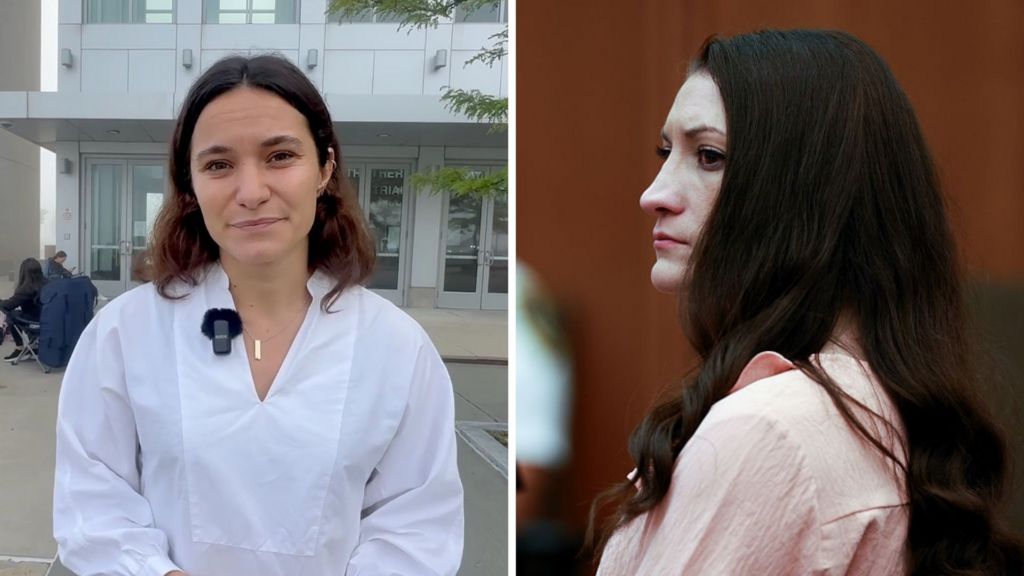
The high-profile Lindsay Clancy trial has entered its seventh consecutive day of jury deliberations, with BBC journalist Ione Wells reporting live from the courthouse as the proceedings hang in the balance. After weeks of witness testimony, legal arguments, and evidence presentation, the case now rests entirely in the hands of the 12-member jury, who have been sequestered to weigh the facts and reach a unanimous verdict. For members of the public and legal observers following the closely watched proceedings, the extended deliberation period has sparked widespread questions about how the case will unfold from this point forward.
Legal analysts note that multi-day deliberations are not uncommon in complex criminal cases, where juries must sort through volumes of evidence, conflicting witness statements, and intricate legal instructions before reaching a conclusion. An extended deliberation often signals that jurors are carefully debating the details of the case rather than rushing to a judgment, adding an extra layer of tension to the wait for a verdict. BBC’s on-the-ground coverage from the courthouse has provided real-time updates for audiences following the trial across the United Kingdom and beyond, with Wells documenting every development as the jury continues its work.
So what potential outcomes can we expect in the coming days? If the jury reaches a unanimous verdict, the judge will formally read the decision in open court, and sentencing will be scheduled at a later date if a guilty verdict is returned. If jurors remain deadlocked and unable to reach a unanimous decision after extended deliberations, the defense and prosecution will enter a new phase of proceedings, with the judge likely to declare a mistrial and leave the door open for a potential retrial at a later date. Until the jury delivers its final decision, all parties involved remain in a holding pattern, waiting to learn the outcome of one of the most closely followed criminal trials of the year.