In a move that underscores deepening geopolitical rifts within the world’s most watched live music competition, Dutch public broadcaster AVROTROS announced Monday that the Netherlands will not participate in the 2026 Eurovision Song Contest, arguing the event can no longer claim political neutrality amid ongoing divisions over the Gaza war. Taco Zimmerman, AVROTROS Director-General, framed the withdrawal as a values-driven decision in an official statement, noting that international conflicts have steadily eroded the contest’s long-held apolitical identity and transformed it into a stage for global division.
The Netherlands’ exit comes amid a growing boycott movement targeting Eurovision over its decision to allow Israel to compete in recent years. Earlier this month, contest organizers introduced a new rule barring countries actively engaged in armed conflict from hosting the competition, but Zimmerman emphasized that this incremental policy shift does not go far enough to repair Eurovision’s damaged neutral standing. “The recently announced changes… do not provide sufficient confidence that the independent and neutral character of the Eurovision Song Contest has been restored,” the AVROTROS statement read.
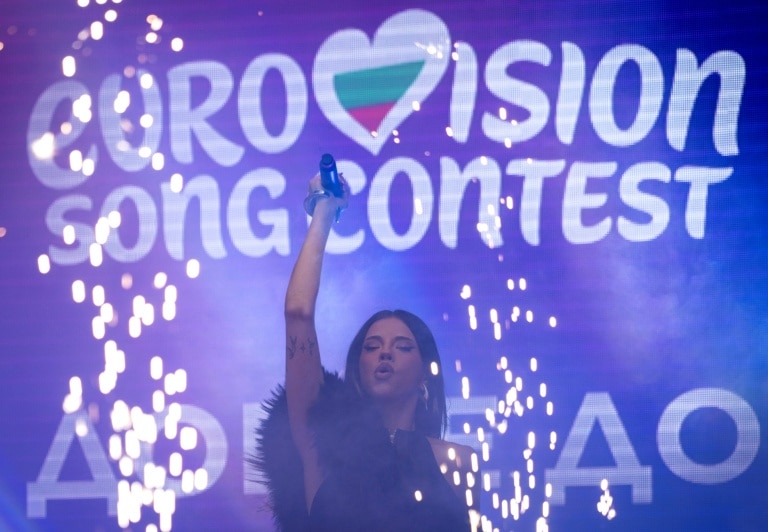
Next year’s competition, scheduled for May 15 in Bulgaria’s Black Sea coastal city of Burgas, will mark the first time the Balkan nation has hosted the event. The hosting opportunity follows Bulgarian singer Darina Yotova, professionally known as Dara, claiming victory at the 2025 contest held in Vienna with her upbeat dance hit “Bangaranga”.
Founded in 1956, Eurovision has grown from a small post-war European collaboration into a global cultural phenomenon, launching the careers of legendary acts ranging from Swedish pop icons ABBA to Grammy-winning vocalist Celine Dion. The 2025 contest drew 131 million global viewers, a sharp drop of 35 million from the 2024 edition after five countries boycotted over Israel’s participation. The Netherlands joined Iceland, Spain, Ireland, and Slovenia in withdrawing from the 2025 contest, with the latter three countries refusing to broadcast the event at all.
The Netherlands boasts one of the longest legacies in Eurovision history, having competed in the very first contest in 1956 and claimed the top prize five times across the decades. The nation’s most recent victory came in 2019, when Duncan Laurence’s ballad “Arcade” took first place before going on to become the first Eurovision entry in history to hit one billion streams on Spotify, per official contest data.
Zimmerman described the decision to withdraw as a painful one for Dutch public broadcasting, which has deep historical ties to the competition. “It is painful as we would have very much liked to be part of the Contest again next year,” he said. “As a public broadcaster, we remain committed to our values. They guide us in everything we do, even when that means stepping away from an event that is very close to our hearts.”