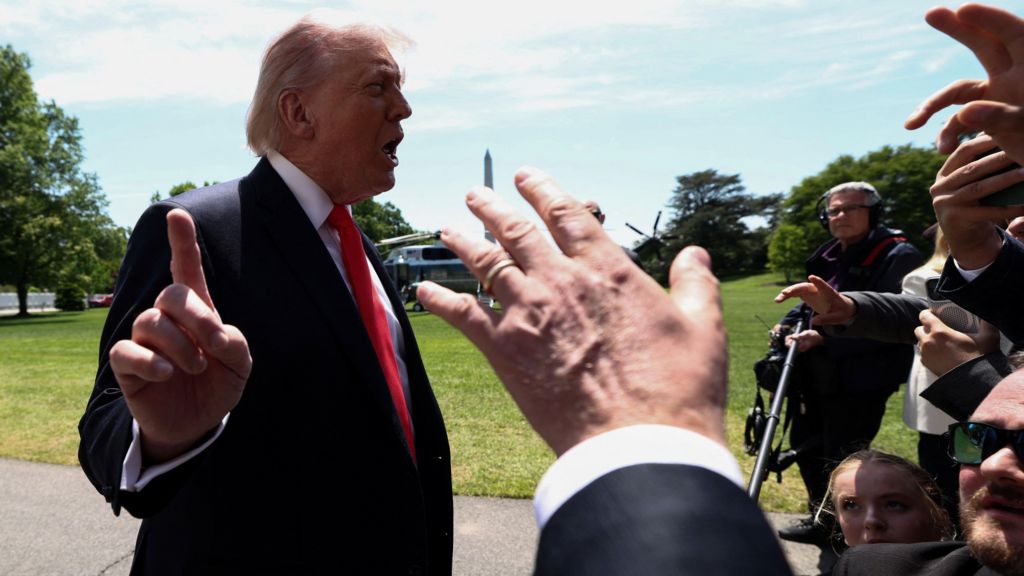
Moments of tension between sitting presidents and the White House press corps are nothing new in American political history, but few have produced as many dramatic, public confrontations as those involving former President Donald Trump. Time and again, heated exchanges have ended with Trump cutting off questioning, sharply silencing reporters who push him on topics he would prefer to ignore. After one recent heated confrontation where Trump lashed out at a journalist and abruptly ended their question, the BBC has launched a deeper examination into the specific lines of inquiry that consistently spark the former president’s irritation and push him to shut down press access.
Over his time in office and continuing through his post-presidency activities, Trump has repeatedly clashed with reporters, labeling critical coverage as “fake news” and attacking individual journalists personally. The pattern of cutting off questioning tends to emerge most often when reporters press on topics that touch on controversies surrounding Trump: investigations into his 2016 campaign’s ties to Russia, his handling of classified documents after leaving office, ongoing legal challenges related to his business practices, and questions about his role in the January 6 Capitol riot. These topics cut directly to ongoing legal and political threats that Trump has worked to frame as illegitimate political persecution, and he often refuses to engage with any line of questioning that highlights these vulnerabilities.
Political analysts note that Trump’s confrontational approach to the press is not just an impulsive reaction, but a calculated political strategy. By shutting down questions he dislikes and attacking the reporter asking them, Trump reinforces his narrative to his base that mainstream media is inherently biased against him, motivating supporters and turning negative coverage into a fundraising and political opportunity. Even so, the frequent outbursts and refusal to engage with critical questions have raised ongoing concerns among press freedom advocates about the erosion of norms surrounding press access and government transparency in American politics.