The Democratic Republic of the Congo (DRC) has launched a new phase of its battle against a historic Ebola outbreak, rolling out an existing vaccine for clinical trials to test its effectiveness against the rare Bundibugyo strain that is currently driving the spread of the virus. As the World Health Organization (WHO) warns that infections are growing at an exponential rate across large swathes of northern and eastern DRC — an area larger than the entire country of France — the death toll from the three-month outbreak has already climbed to nearly 2,500, with half of these fatalities recorded in just the last 20 days.
This outbreak is already the deadliest ever recorded in DRC and the second-worst Ebola outbreak in global history, outstripped only by the devastating 2014–2016 West Africa epidemic that killed more than 11,000 people. Experts now believe the Bundibugyo strain has been circulating in the country since as early as February, but initial cases were misdiagnosed as more common regional illnesses including typhoid and malaria, creating a critical delay in response efforts.
Multiple barriers have continued to slow containment work. Years of armed conflict in eastern DRC has left large areas of territory inaccessible to official public health teams, while deep-rooted local suspicion of government health authorities and traditional burial practices that involve close contact with deceased bodies have further accelerated transmission. A new analysis from international children’s charity Save the Children estimates that at least 180 Congolese children have been orphaned, losing both parents or primary caregivers to the virus since the outbreak began.
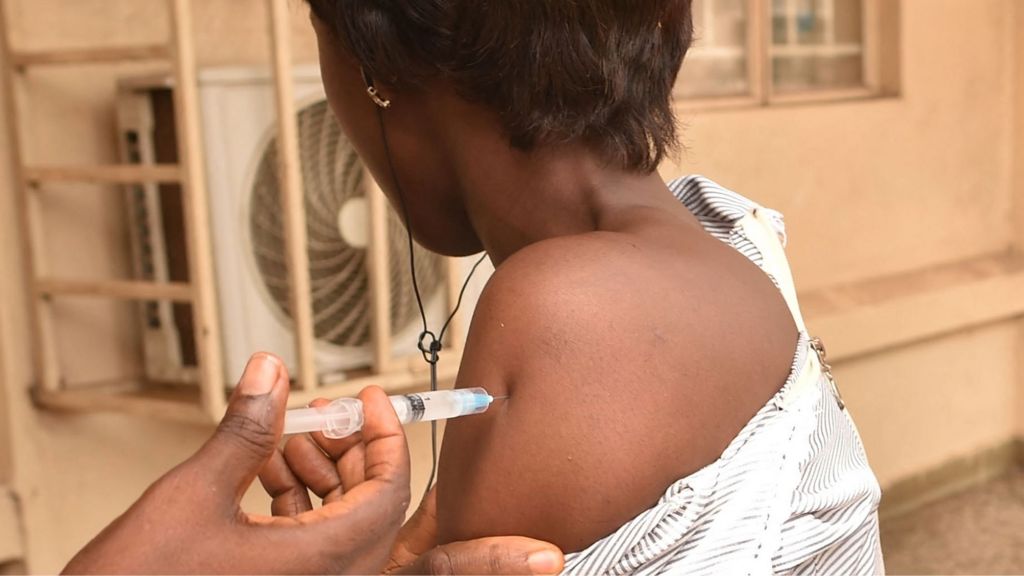
In a new effort to turn the tide of the crisis, the existing Ervebo vaccine — which is already proven to protect against the more common Zaire strain of Ebola — will be deployed in a large-scale clinical trial. Under the plan agreed with global health bodies, 20,000 doses of Ervebo will be used to test how well it works against the Bundibugyo strain, for which no effective vaccines or treatments have yet been validated. An additional 50,000 doses will be prioritized for frontline health workers, who have faced extraordinarily high risk of infection during the response. Both the WHO and the Africa Centres for Disease Control and Prevention have welcomed the vaccine allocation, framing it as a critical reinforcement for the under-resourced response to the rapidly spreading outbreak. Strict new safety protocols have also been put in place for burials to cut the risk of transmission from infected remains.
The ongoing conflict has added unprecedented complexity to the crisis. The M23 rebel alliance, which seized control of major eastern cities including Goma and Bukavu in early 2025 and holds large portions of North Kivu province, has launched its own parallel Ebola response in the territories it controls. After confirming two positive Ebola cases in a village under its control, M23 authorities recently announced a 30-day suspension of shared taxis and passenger boat travel between rebel-held and government-held areas of North Kivu, effective this Saturday. All other cross-area transport will remain operational but subject to strict public health screening. The rebel group had declared its territories Ebola-free in late June, and the new restrictions highlight how armed divisions have fragmented the response to a unified public health threat.
Ebola is an extremely virulent viral disease, and the Bundibugyo strain is one of the rarest variants, with only two documented prior outbreaks recorded globally. Initial symptoms of infection mirror those of common regional illnesses, including sudden fever, headache, and fatigue, and can develop anywhere from two to 21 days after exposure. As the infection progresses, patients often develop severe vomiting and diarrhea that can lead to fatal organ failure. The virus spreads through direct contact with infected bodily fluids such as blood or vomit, making infection control particularly challenging in low-resource, conflict-affected settings.