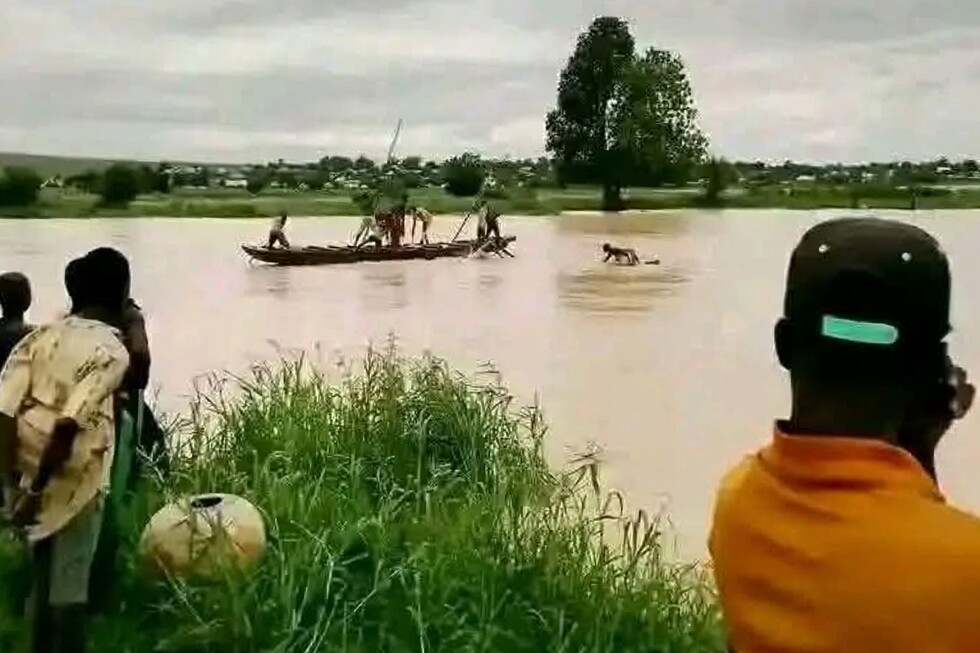
A deadly boat capsize in northwestern Nigeria’s Sokoto State has left at least 47 people dead, according to local officials and community residents, in what marks another tragic incident in a country plagued by frequent waterway disasters during the annual rainy season. The overloaded vessel was carrying more than 80 passengers when it overturned Thursday on a local river, with the vast majority of travelers heading to agricultural work sites in Gorau town, located within the state’s Goronyo Local Government Area.
Abdulkadir Yusuf, state manager for Nigeria’s National Inland Waterways Authority, confirmed that the fatality count stood at 47 as of the latest update. For local residents, the disaster has brought devastating personal loss: 55-year-old Samaila Garba told the Associated Press that his 13-year-old granddaughter, Jamila Usman, was among those killed. Garba, who personally counted at least 42 recovered victims’ bodies, noted that most of the dead were women and children — a demographic that routinely travels across the river to reach farmland during the rainy season.
Another local resident, Aminu Dan Hajiya, who relies on the same river route to access his own farm, said he considered himself extraordinarily fortunate to have avoided boarding the fateful voyage. The tragedy has touched nearly every corner of the small community, he added: “In fact, almost every household in the community has been affected.”
Usman Yusuf, a leading community figure in Gorau, corroborated the report that more than 80 passengers had been on board the boat when it capsized, adding that 41 victims had already been laid to rest as of initial updates.
Deadly boating accidents are an all-too-common occurrence across Nigeria, particularly during the annual rainy season when river conditions become turbulent and unpredictable. Systemic failures in regulatory enforcement have created dangerous conditions for informal river travel: weak oversight allows unfit, overloaded vessels to operate without required safety equipment such as life jackets, putting thousands of daily commuters at risk. Just earlier this year in January, a nearly identical incident in northeastern Nigeria’s Yobe State killed at least 25 people, highlighting the ongoing risk to rural communities dependent on waterways for access to work and basic services.
This report was prepared by Mohammed Ibrahim, reporting from Kaduna, Nigeria, with additional contributions from Tunde Omolehin.