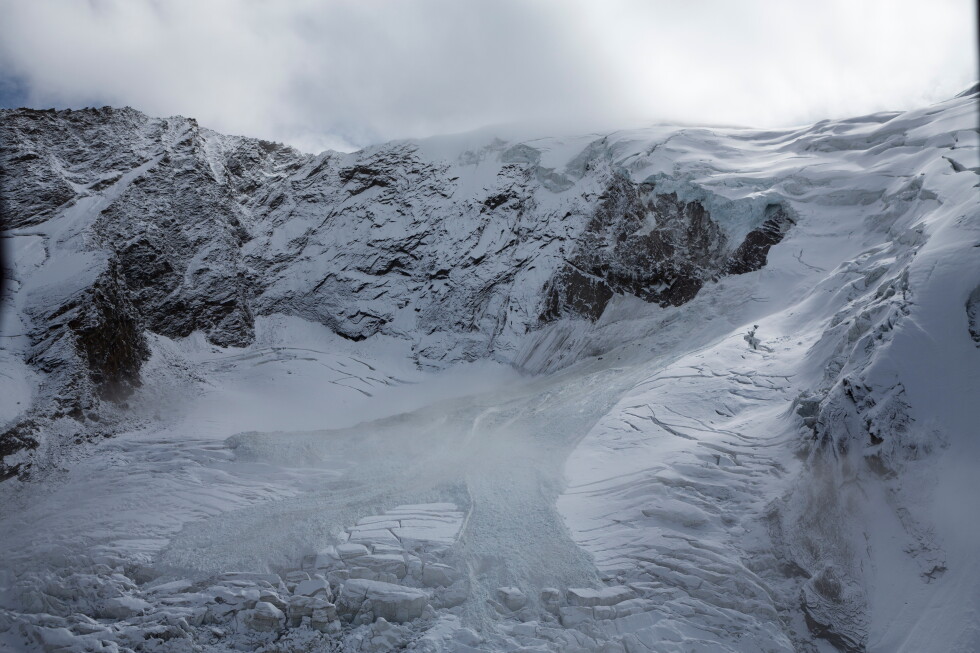
GENEVA — More than 30 years after two Belgian mountaineers vanished while exploring the Swiss Alps, their remains have been recovered, a discovery that has again thrown a spotlight on the accelerating pace of glacial melt driven by global warming. Swiss authorities confirmed the identification this week, linking decades-old missing person cases directly to the dramatic environmental shifts reshaping the iconic Alpine region.
According to officials from Valais, the southwestern Swiss canton that maintains a century-long database of people reported missing in its mountain areas, the steady retreat of Alpine glaciers is steadily uncovering the remains of people who disappeared while climbing or hiking decades ago. In late June, a long-distance hiker stumbled on human remains that had been exposed by the melting of Trift Glacier, located south of the city of Lucerne. The find triggered an official recovery operation, and forensic experts launched a DNA analysis to identify the deceased.
Forensic testing carried out at a hospital in Valais confirmed that the remains belong to two Belgian hikers who were 39 and 41 years old when they went missing near Weissmies mountain, roughly 40 kilometers south of Trift Glacier, in 1992.
While the discovery of long-buried remains from glacial melt is not a new phenomenon, such findings have become far more common in recent years as Switzerland’s glaciers shrink at an unprecedented rate. In 2020, for example, DNA testing confirmed that a body recovered from a glacier near the famous Matterhorn peak belonged to a German mountaineer who disappeared in the area in 1986.
Climate scientists across the globe have repeatedly linked the sharp surge in glacial melting across the Alps and other mountain regions to human-caused global warming. The ongoing retreat of Switzerland’s glaciers is not only transforming one of the world’s most famous mountain landscapes but also continuing to unlock long-frozen mysteries that have been hidden for decades.