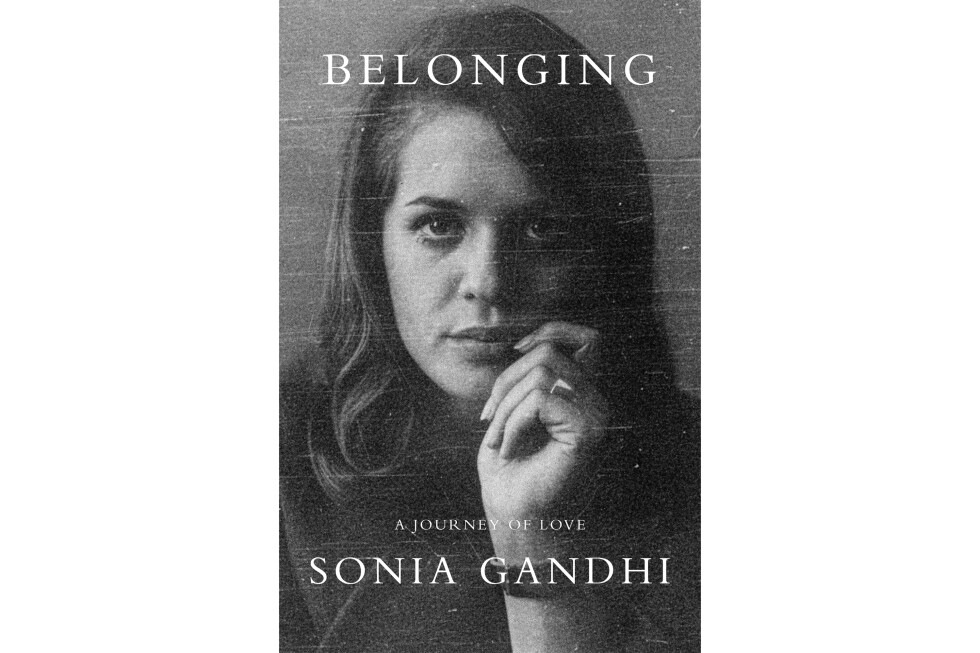
NEW YORK — One of the most consequential figures in modern Indian politics, Sonia Gandhi, is preparing to open a deeply personal window into her life and decades of history with the iconic Nehru-Gandhi political dynasty, with her firsthand memoir scheduled for release this November via publisher Alfred A. Knopf. The 79-year-old former Indian National Congress president, who grew up in a small Italian town before her fateful meeting with Rajiv Gandhi at the University of Cambridge, pulls back the curtain on a life defined by love, extraordinary loss, and unexpected political destiny in the upcoming book, titled *Belonging: A Journey of Love*.
Gandhi’s life story is inextricably tied to one of the most famous political families in the world. When she married Rajiv Gandhi, she joined a dynasty that had shaped India since its independence: Rajiv was the grandson of Jawaharlal Nehru, India’s founding prime minister, and the son of Indira Gandhi, the nation’s first female prime minister. What began as a quiet private life was shattered by two devastating national tragedies, as Gandhi recounts in the memoir. First, in 1984, Indira Gandhi was assassinated, thrusting Rajiv into the role of prime minister. Just seven years later, Rajiv Gandhi was also killed in an assassination, turning personal grief into an unplanned entry into public life for Sonia Gandhi.
Unlike many existing accounts of the Nehru-Gandhi family, which have often focused on their public legacy rather than their private humanity, Gandhi says her book offers an unvarnished look at the people behind the political names. In a statement released Tuesday by Knopf to announce the publication date, Gandhi noted that countless works have been written about her famous family, but few have captured the core truth of their motivations, their choices, and their very human shortcomings. This memoir, she explains, is ultimately a tribute to their humanity, while also offering readers an intimate, on-the-ground perspective on six decades of social and political transformation in India, the nation she now calls home.
For Gandhi, entering politics was never a planned ambition. “It was heartbreak and loss that threw me into the public world of politics. Up till then I had guarded my privacy fiercely,” she said in her statement. She would go on to make history as the longest-serving president of the Indian National Congress, and in a move that shocked many observers, she declined the party’s invitation to take the office of prime minister. In 2014, the Congress party lost national power to Narendra Modi’s Bharatiya Janata Party, a Hindu nationalist party that has held office ever since.
Gandhi acknowledged that putting her life story to paper was not an easy process. Opening up about private moments and experiences she had long kept hidden required vulnerability, she said. But as she stepped back from active political life in recent years and reflected on her journey, she began to see the throughline that connects every chapter of her story: from her quiet childhood in rural Italy to the turbulent, complex years she spent in India as Rajiv’s wife and Indira’s daughter-in-law, a thread of love and loyalty has shaped every step of her path.
Today, the Nehru-Gandhi dynasty remains a core force in Indian opposition politics. Both of Sonia Gandhi’s children, Rahul Gandhi — the current leader of the Congress party — and Priyanka Gandhi Vadra, hold seats in India’s lower house of parliament as members of the Congress party.