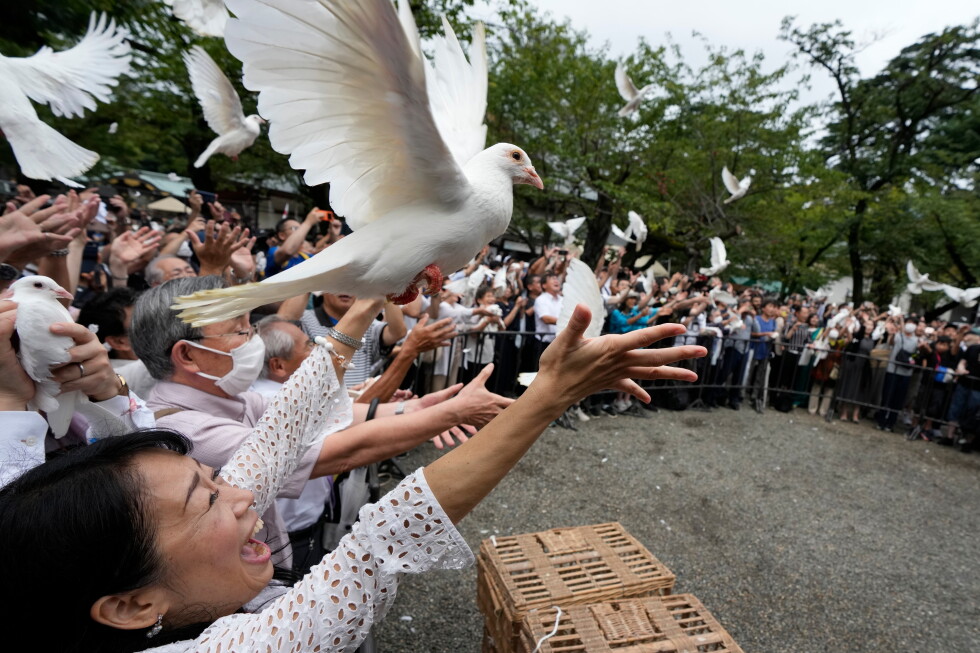
TOKYO – In a move that has reignited long-simmering diplomatic friction across East Asia, Japanese Defense Minister Shinjiro Koizumi carried out a prayer visit to Tokyo’s divisive Yasukuni Shrine on Saturday. The Shinto shrine has long been viewed by Japan’s neighboring countries China and South Korea as a painful symbol of Tokyo’s 20th-century imperial militarism, a reputation amplified by its enshrinement of convicted World War II class-A war criminals alongside Japan’s war dead.
This latest visit marks far from an isolated occurrence for Koizumi, who has built a pattern of repeated trips to the controversial religious site. The defense minister has routinely traveled to Yasukuni for key anniversaries, including Japan’s annual August 15 marking of the end of World War II, as well as other scheduled occasions over the years.
The contrast between Koizumi’s visit and the plans of another senior Japanese political leader highlights the delicate balancing act Tokyo is navigating between domestic political currents and diplomatic priorities. Prime Minister Sanae Takaichi, who is also a regular visitor to the shrine, has announced she will refrain from a trip this cycle, choosing to prioritize stabilizing critical diplomatic ties with China and South Korea instead.
For decades, official political visits to Yasukuni Shrine have been a flashpoint for regional tensions. China and South Korea, both of which suffered widespread atrocities under Japanese imperial occupation during the first half of the 20th century, uniformly condemn such visits as evidence that Japanese political leaders have failed to offer full, sincere remorse for wartime harms inflicted across the region.