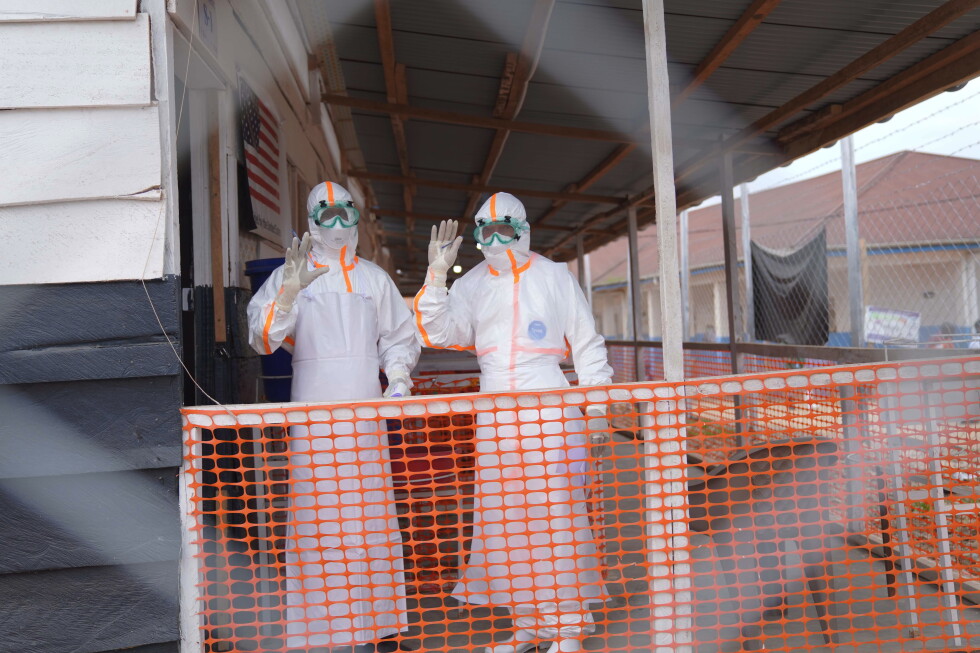
In the eastern Democratic Republic of Congo, a rapidly spreading Ebola outbreak that has already become the fastest-growing in recorded history has crossed a devastating mortality threshold, with latest official government data confirming at least 2,000 fatalities among confirmed cases. The grim milestone comes as international and local health response teams face overlapping barriers that slow urgent care delivery to remote, conflict-affected communities, leaving the virus far outpacing containment efforts.
Data released publicly overnight ahead of Tuesday puts the total cumulative confirmed cases at 4,381, with the death toll reaching 2,011. As of the latest update, 704 patients remain isolated and under care for the virus. The scale of the outbreak’s spread has alarmed global health experts: just under three months have passed since the Congolese government officially declared the outbreak on May 15, but the acceleration of deaths shows an alarming upward trajectory. It took nine weeks to record the first 1,000 fatalities, yet only three additional weeks to push the death toll to 2,000, a pace that responders have struggled to match.
Already, this outbreak ranks as the second-largest Ebola event in global history. It is only surpassed by the 2014-2016 West African epidemic, which infected more than 28,000 people and killed over 11,000 across Guinea, Liberia and Sierra Leone. For the Democratic Republic of Congo, this is the 17th Ebola outbreak the country has confronted since the virus was first identified in 1976 near the Ebola River within the nation’s borders, and it is already the largest the country has ever faced.
Multiple overlapping crises have undermined containment efforts, according to response officials and aid workers. Active rebel conflict in affected regions makes access to remote communities dangerous at best, while poorly maintained infrastructure leaves many affected areas cut off from rapid medical support. Compounding these issues, hundreds of frontline health workers have launched work stoppages to protest delayed and missing hazard pay promised when the outbreak was declared.
Adding to the complexity of the response, this outbreak is caused by the rare Bundibugyo Ebola strain, for which no specific approved vaccines or targeted treatments currently exist. Early-stage clinical trials for candidate vaccines and therapies have been launched in Ituri province, the geographic epicenter of the outbreak, but regulatory and logistical delays mean widespread access to these tools remains months away.
The World Health Organization revealed new findings on Monday that show the outbreak was circulating undetected far earlier than official detection. WHO officials confirmed the virus likely began spreading in February, three months before the formal declaration, in one of Congo’s most underserved and remote regions. Early cases were misdiagnosed as malaria or typhoid, and initial testing only screened for the more common Zaire strain of Ebola, allowing the virus to establish unmonitored transmission in local communities. Today, most new confirmed cases are found among people not already on contact tracing lists, a clear sign that community transmission remains widespread.
Speaking at a press briefing, Dr. Mohamed Yakub Janabi, WHO’s Regional Director for Africa, summed up the ongoing challenge facing responders: “We are chasing the virus, and the virus is ahead of us.” Aid groups that have expanded response operations across the five affected provinces acknowledge that the outbreak continues to outpace the incremental growth of containment efforts, leaving global health authorities bracing for further increases in case counts and deaths in the coming weeks.