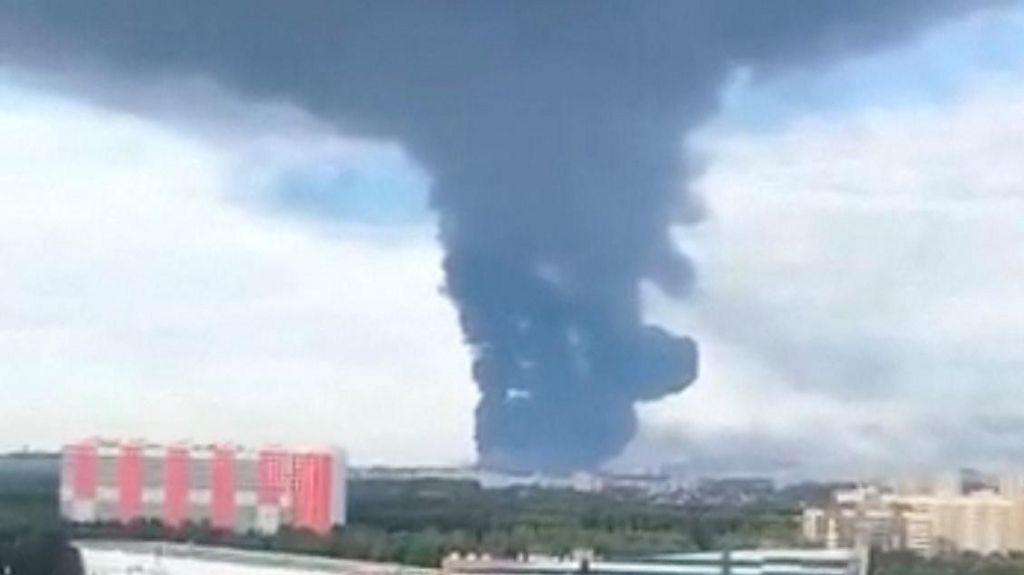
Over recent weeks, the ongoing conflict between Ukraine and Russia has entered a new phase, as Ukrainian offensive operations have pushed the scope of war deeper into Russian territory by focusing on critical infrastructure that underpins Moscow’s military and economic capacity. Multiple targeted strikes have hit key nodes of Russia’s military supply chains, which are responsible for moving ammunition, equipment, and troop reinforcements to frontline positions. Additionally, critical economic assets, including energy infrastructure, logistics hubs, and industrial facilities that support Russia’s war effort, have also been struck.
This shift in strategy marks a notable departure from earlier phases of the conflict, when most Ukrainian defensive and offensive operations were concentrated within its internationally recognized borders. By extending strikes into Russia itself, Ukrainian military planners aim to disrupt the flow of resources that sustain Russia’s invasion force, increase pressure on Moscow’s political and military leadership, and expose vulnerabilities in the Russian rear that have long been considered secure.
Military analysts note that this strategy has already created significant logistical challenges for Russian command, forcing them to reroute supply lines and divert defensive resources away from frontline areas to protect critical domestic infrastructure. At the same time, the development has raised international concerns about the potential for the conflict to escalate further, drawing neighboring countries into broader hostilities and increasing the risk of unintended confrontations between nuclear-armed powers. While Ukrainian officials frame the strikes as a legitimate act of self-defense against an unprovoked invasion, Russian authorities have condemned the attacks as acts of terrorism and have pledged retaliatory measures against Ukrainian infrastructure.