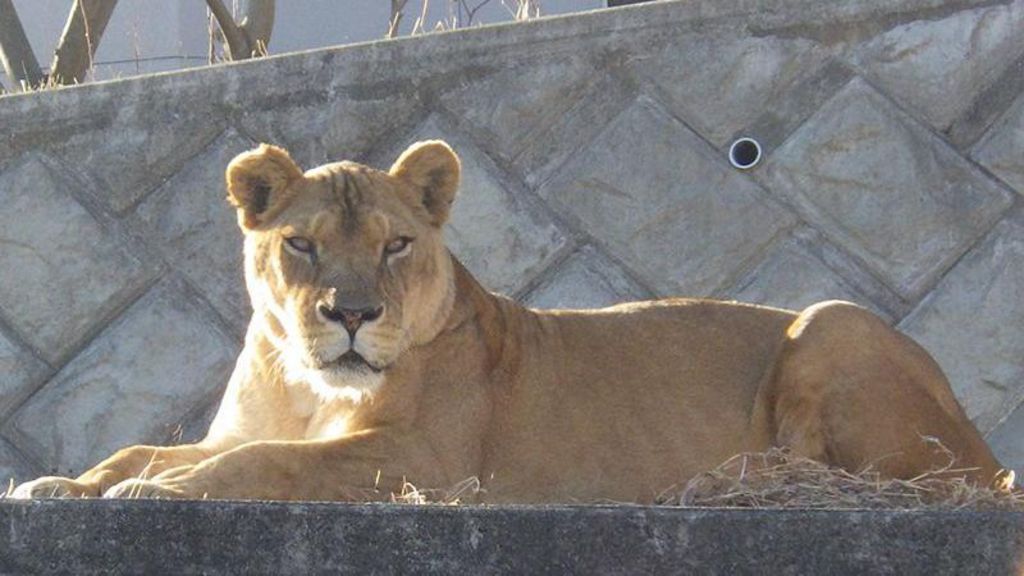
As Japan grapples with record-shattering summer heat that has threatened both human and animal life, three female lions at Tokyo’s Tama Zoological Park have died within a single week from suspected heat-related illness, zoo officials have confirmed.
Autopsies conducted on the three big cats—aged 3, 11, and 15 years old respectively—revealed widespread systemic dehydration and multiple organ failure, clinical signs that point directly to extreme heat stress as the primary cause of death. The zoo notes that full, official cause-of-death reports will not be finalized until all additional toxicology and pathology testing is complete.
The sequence of deaths began in late July, after a sudden mid-July temperature surge across Japan. Mugi, the 3-year-old female, first displayed a loss of appetite on July 19, and lost the ability to stand the following day. Despite rapid intervention from zoo staff, who implemented cooling measures including enhanced ventilation, access to extra cool water, subcutaneous fluid therapy, liver support, and vitamin treatments, Mugi died on July 28. Eleven-year-old Ichigo passed away just three days later on July 31, and 15-year-old Luena, the oldest of the three, died the following Sunday.
The deaths mark an unprecedented crisis for the 70-year-old lion program at Tama Zoo. “This is the first time we’ve experienced anything like this. Last year was also hot, but none of our lions fell ill like this,” zoo representative Miwa Kosaka told the BBC.
As of the zoo’s latest public statement, three additional lions—two males and one female—remain unwell and unable to stand, though staff are continuing around-the-clock care with fluid therapy, medication, and nutritional support. Kosaka confirmed that some of these affected animals have already started showing signs of improvement. Four other lions have fully recovered from mild heat-related symptoms, while six lions remained in good health throughout the heat event. All surviving lions have now been moved to restricted, off-exhibit enclosures fitted with portable air conditioning units and heavy-duty industrial fans to help them regulate their body temperatures.
Veterinary experts say two key factors combined to put the lions at severe risk. Hideaki Karaki, a professor of veterinary medicine at the University of Tokyo, explained that unlike humans who cool down through sweating, lions regulate their body temperature by breathing deeply to expel moisture from their respiratory tracts. When that moisture evaporates, it lowers their core temperature—but Japan’s characteristic high summer humidity blocks that evaporation process, leaving lions unable to cool themselves effectively. The sudden mid-July temperature spike also gave the animals no time to gradually acclimate to rising heat, compounding the risk, Karaki added.
Tama Zoo, located in western Tokyo, is home to roughly 260 different animal species, and its lion breeding and exhibition program is one of its most iconic attractions, dating back to 1964. The zoo long offered a popular safari-style bus tour that let visitors observe lions roaming their large open enclosures, but that service and the public lion exhibit were suspended last month after the sudden heatwave triggered widespread illness among the pride.
The lion deaths come as Japan faces a public health emergency from this summer’s extreme heat. So far this season, more than 43,000 people across the country have been hospitalized for heatstroke. The Japanese government has issued nationwide heat warnings and urged residents to take aggressive cooling measures, even launching a campaign to encourage office workers to swap formal business wear for lighter, more breathable clothing to avoid overheating.
Climate scientists have repeatedly warned that summer temperatures across Japan are rising faster than the global average, with an increasing number of “extreme hot days” defined as days with highs exceeding 40°C becoming a regular annual occurrence, bringing growing risks to both human and wildlife populations.