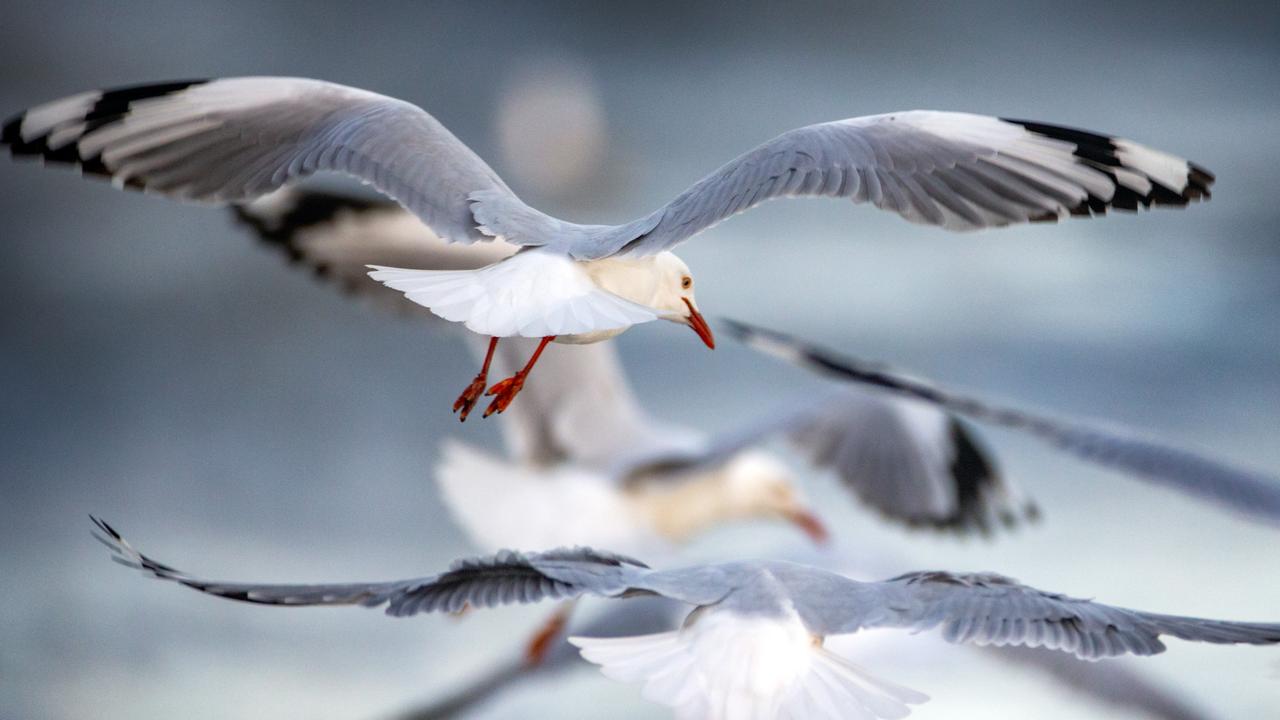
Australia’s two-year battle to contain the spread of highly pathogenic H5 bird flu has entered a deeply concerning new stage, after a common Australian seagull — a species seen daily on beaches and coastal communities across the country — tested positive for the virus, prompting environmental and health officials to warn the pathogen is now permanently established in the nation’s wildlife populations.
The confirmation of the seagull infection comes on the heels of a cascade of new detections across multiple Australian states, marking a clear shift of the virus beyond isolated populations of rare wild seabirds into ubiquitous native species. Invasive Species Council chief executive Jack Gough described the positive test result as a definitive watershed moment for the outbreak that changes the entire trajectory of Australia’s response.
“One of the most widespread, recognizable seabirds on our coastlines is now infected, and the federal government has acknowledged that this deadly strain is here to stay,” Gough stated in a media briefing Friday. “When pelicans and seagulls begin dying in massive numbers on beaches that communities visit every day, public attitudes toward wildlife disease management and environmental protection will shift far faster than many politicians anticipate.”
Gough has issued an urgent call for the federal government to allocate a minimum $200 million wildlife resilience fund to address the coming crisis, warning that underinvestment would leave the nation unprepared for a wave of wildlife mortality. “Anything less than this amount is a failure to take seriously the tsunami of destruction that is about to hit our iconic native birds and coastal marine mammals,” he said.
The seagull detection follows a string of new confirmations that have accelerated alarm across the country. On Thursday, Victoria recorded its first ever H5 bird flu case in a wild bird, a greater crested tern found in Portland, the state’s western coastal region. This detection came just 24 hours after South Australian health authorities confirmed the first instance of local transmission of the virus between wild birds in the state. By Thursday, more than 13 wild birds had tested positive across South Australia, with cases detected at the popular Seal Bay conservation area on Kangaroo Island and the coastal town of Robe.
As of earlier this week, Australia had recorded 27 confirmed H5 cases in wild seabirds spread across five states: 10 in Western Australia, 14 in South Australia, two in New South Wales, and one in Queensland. The most recent detections push that total even higher, with more test results pending from across the country’s southern coastline.
Addressing reporters in Hobart on Friday, Federal Agriculture, Fisheries and Forestry Minister Julie Collins offered one key reassurance for the public and industry: there remains no evidence the virus has spread to commercial poultry operations or entered Australia’s agricultural supply chain. “We have no evidence of it being in our poultry or agricultural system, and the risk to human health remains very low,” Collins said.
When asked whether Australians would need to adjust to permanent coexistence with the virus, Collins confirmed that global experience matches the expert advice Australia has received: the H5 strain cannot be eradicated once it becomes established in wild wildlife populations. “Overseas experience has shown this is the reality, and our experts agree that full eradication from wildlife is not possible,” she said.
The minister added that the federal government will continue coordinating with industry groups, wildlife veterinarians, and disease specialists to slow the spread of the virus, while urging both commercial poultry producers and owners of backyard flocks to immediately strengthen their biosecurity protocols. “Our biosecurity is our strongest defense against this virus,” Collins emphasized. “Detailed, up-to-date guidance is available on birdflu.gov.au, but the single most effective step owners can take is strengthening on-property biosecurity. This means preventing domestic birds from interacting with native birds and wild wildlife, and ensuring clean, uncontaminated water and food supplies at all times.”
Australia’s chief veterinary officer Beth Cookson noted earlier this week that the spread of the virus into common coastal species was not unexpected. “It was never a surprise that we would begin to see local transmission among birds that share the same coastal habitats,” Cookson said. “Confirmation of local transmission does mean we can expect to see wider spread across wild bird populations and other vulnerable wildlife species going forward.”
Cookson added that global data makes clear the long-term trajectory of the outbreak: “We know from decades of experience overseas that once the virus becomes widespread in wild bird populations, we cannot avoid some level of mortality among susceptible wildlife in their natural habitats. Our focus right now remains on expanded surveillance to map where the virus is circulating, and to take targeted action to reduce its impact on vulnerable native species wherever possible.”
Prior to the current outbreak, Australia was the last inhabited continent free of H5 bird flu. Researchers and health officials link the arrival of the virus to migratory seabirds traveling to Australian coastal habitats from Antarctic and sub-Antarctic breeding grounds over the past year.