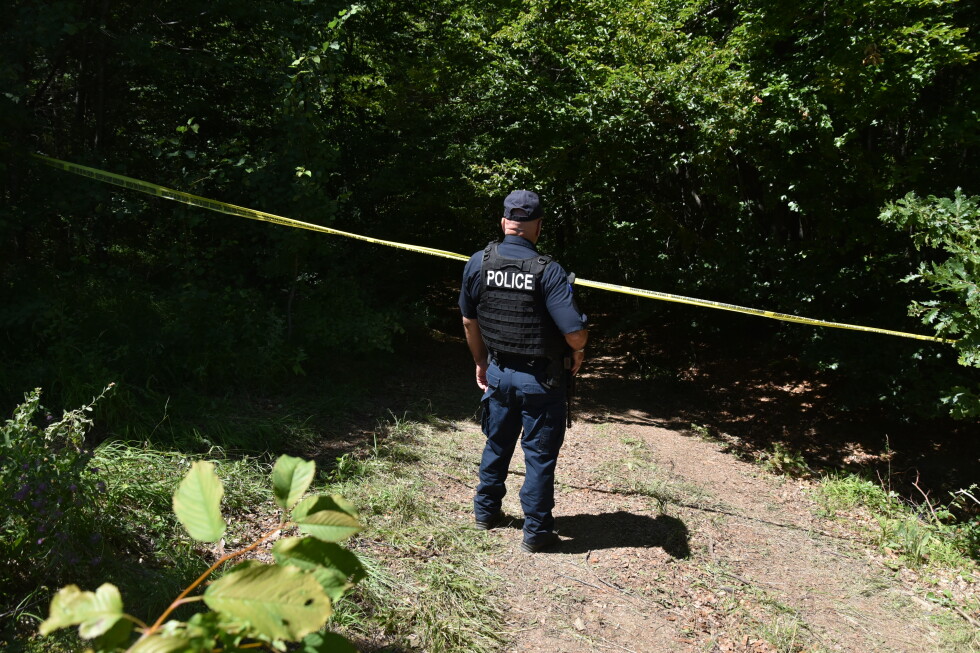
In the small northern Kosovo village of Kalluder, located within the Zubin Potok municipality, forensic and law enforcement authorities have launched a new excavation operation, following the unexpected discovery of human remains linked to thousands of people disappeared during the 1998-1999 Kosovo War. The unexamined site has already been cordoned off by officials, marking the first formal search for war crime evidence at this location.
The 1998-1999 conflict erupted when ethnic Albanian fighters of the Kosovo Liberation Army launched an insurgency seeking independence from what was then Serbian-governed Kosovo. The Serbian government responded with a harsh military crackdown, leading to a months-long war that ended only after a 78-day NATO bombing campaign against Serbia forced the withdrawal of Serbian military and security forces from the territory. Kosovo declared full independence in 2008, a move Serbia has never formally recognized.
In a procedural development on Monday, Kosovo police took two ethnic Kosovo Serbs into custody, charging them with war crimes against the civilian population in connection with the remains found at the Kalluder site. The arrests immediately drew fierce condemnation from Serbia’s government Office for Kosovo, based in Belgrade, which labeled the detentions as an act of “terrorism, revenge and intimidation” targeting Kosovo’s Serbian minority community.
Preliminary forensic analysis has already confirmed the recovered remains are human and hold significant investigative value, according to Ditor Haliti, a member of the forensic team working at the excavation site.
Speaking at a presentation of a report on war victims this Wednesday, Kosovo Prime Minister Albin Kurti said authorities are working to confirm the identities of the deceased. He noted that investigators’ immediate working hypothesis is that the remains may belong to 23 ethnic Albanian intellectuals who were forcibly abducted and disappeared in Mitrovica on April 19, 1999, near the end of the conflict.
Human rights groups estimate that roughly 1,600 people who went missing during the 1998-1999 war remain unaccounted for decades after the fighting ended. Kosovo’s Interior Minister Xhelal Svecla reaffirmed the government’s commitment to resolving all missing person cases this Tuesday, stating that Kosovo “will not rest” until every missing person’s fate is clarified and every individual responsible for war crimes is held accountable under law.
Svecla also leveled sharp criticism at Serbia, accusing the country of not only refusing to cooperate with ongoing investigations into missing persons but also actively obstructing the work of Kosovo’s official institutions both within Serbia and Kosovo. As of Thursday, Serbia has not issued an official response to these accusations. It is worth noting that in May 2023, Belgrade and Pristina reached a European Union-brokered agreement that included a formal commitment from both sides to work together to clarify the fate of all people disappeared during the 1998-1999 conflict.