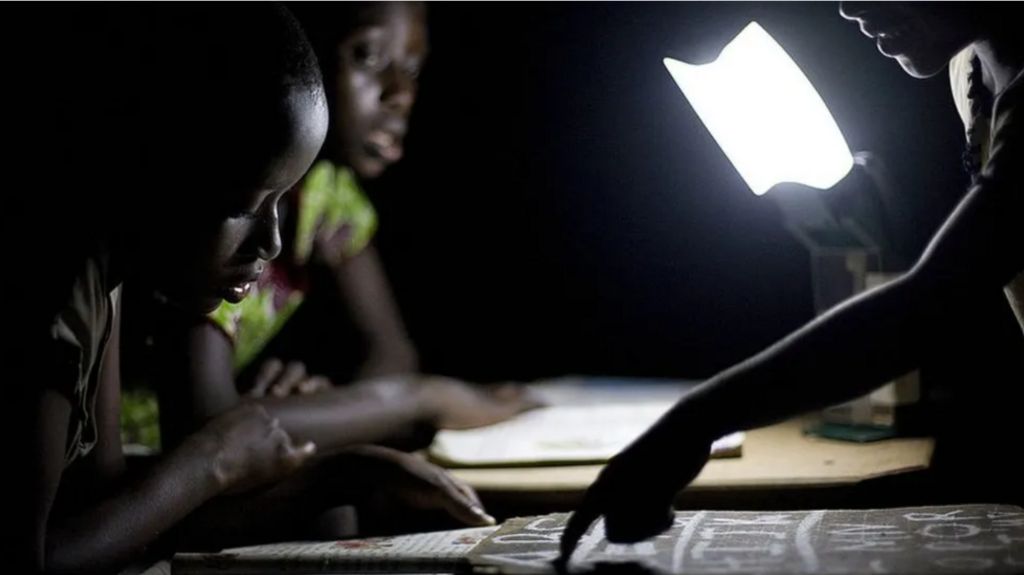
A critical system failure on Ghana’s national electricity transmission network has sparked sweeping power outages that have cut electricity access to millions of people across the country, including the capital Accra, the major commercial center Kumasi, and large swathes of northern Ghana. The state-owned power distribution operator confirmed that multiple independent power plants across the West African nation were forced into automatic shutdown in the early hours of Wednesday, after the fault first emerged.
In an official public statement, Ghana Grid Company Limited (GRIDCo), the agency responsible for managing the country’s national power grid, noted that its engineering teams and system control specialists have been working around the clock to bring power supply back online as quickly as possible, while prioritizing public and worker safety throughout the restoration process.
For decades, Ghana has struggled with recurring, widespread power shortages that local communities have dubbed “dumsor” — a term from the Akan language that translates directly to “on-off”, referencing the erratic, intermittent supply many households have lived with for generations. In recent years, however, these outages have become far less frequent, and government and industry officials have framed the sector as steadily improving.
Wednesday’s mass outage has disrupted daily life across multiple regions, leaving residential properties, commercial operations and public services without power. For many daily commuters, the blackout created unexpected barriers to getting to work: with mobile phones drained of charge, many were unable to complete digital payments for public transport, or book ride-hailing services through popular apps like Uber. Small local businesses, which rarely have the backup power infrastructure that larger organizations rely on, have also been hit hard, as have everyday residents dependent on digital services for work, school and daily tasks. While most major essential facilities such as public hospitals do have backup generators to maintain critical care, smaller regional clinics have reported disruptions to services.
GRIDCo has announced that it has launched a full technical investigation to pinpoint the root cause of the widespread failure, but the agency has so far declined to give any timeline for when full, normal power supply will be restored across the country.
As one of the world’s top producers of both gold and cocoa, Ghana has seen steady economic and population growth in recent decades, alongside rapid urbanization that has pushed up demand for reliable electricity. To meet this growing demand, the country has expanded its energy mix in recent years, adding natural gas-fired power generation to its energy portfolio. Still, the majority of Ghana’s electricity continues to be produced by a fleet of aging hydropower plants that have suffered from decades of underinvestment and inadequate maintenance.
While the addition of natural gas generation has reduced the frequency of widespread outages, Ghana’s power sector still remains significantly vulnerable to large-scale transmission system failures and unexpected interruptions to fuel supply, a structural weakness that Wednesday’s outage has laid bare.