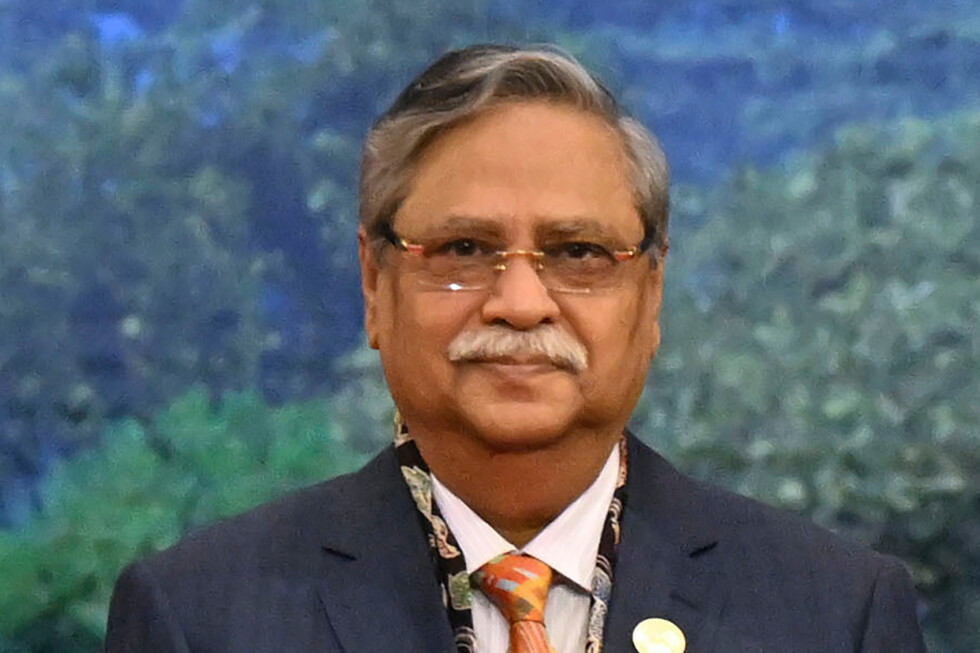
After years of escalating political turbulence that reshaped South Asia’s most densely populated nation, Bangladesh’s sitting president Mohammed Shahabuddin — a key ally of ousted former Prime Minister Sheikh Hasina — formally stepped down from office Friday, cutting short his five-year term halfway through its tenure.
Shahabuddin’s exit comes nearly three months after a new administration led by Prime Minister Tarique Rahman, the son of former premier Khaleda Zia and Hasina’s long-time arch political rival, swept to power in a landslide February electoral victory. That vote marked the end of an 18-month interim government headed by Nobel Peace Prize laureate Muhammad Yunus, which was installed after a mass anti-government uprising ended Hasina’s 15 consecutive years in power in August 2024. Following the collapse of her government, Hasina fled to neighboring India, where she remains in exile.
In official documents reviewed by the Associated Press, Shahabuddin cited medical grounds for his resignation, which he submitted Friday to Parliament Speaker Hafiz Uddin Ahmad. Ahmad confirmed to reporters shortly after receiving the document that he had accepted the resignation. However, local Bangladeshi media outlets have reported that the president’s departure was forced by pressure from the current ruling administration, stemming from unconfirmed allegations that Shahabuddin held an unauthorized phone call with Hasina during a May medical trip to London. The AP has not independently verified these claims.
A long-time trusted confidant of Hasina, Shahabuddin had faced sustained pressure to step down even before the February election. Student groups that led the 2024 uprising against Hasina repeatedly branded him a close collaborator of the ousted government, organizing mass street demonstrations demanding both his resignation and arrest. The National Citizen Party (NCP), the new political party formed by those uprising leaders, made removing Shahabuddin from office a core campaign plank. The NCP currently sits as part of the ruling electoral alliance led by Bangladesh Jamaat-e-Islami, the country’s largest Islamist political party.
Under Bangladesh’s constitution, the Parliament speaker will automatically assume the presidency on an interim basis until lawmakers elect a new head of state. While the presidency is largely a ceremonial figurehead role, it carries significant constitutional authority during periods of political crisis and designates the holder as commander-in-chief of the country’s armed forces. Shahabuddin, who was Hasina’s handpicked candidate, was sworn in as Bangladesh’s 22nd president in April 2023, months after Hasina’s ruling Awami League party secured a fourth consecutive parliamentary term in a January 2024 election boycotted by all major opposition parties, including Rahman’s Bangladesh Nationalist Party.
Shahabuddin’s resignation eliminates one of the last remaining institutional allies Hasina held within Bangladesh. From exile, the ousted prime minister has told multiple Indian media outlets that she plans to return to Bangladesh in December and surrender to domestic courts to face outstanding charges against her. Successive Bangladeshi administrations — first Yunus’s interim government, and now Rahman’s elected government — have repeatedly requested India extradite Hasina to face prosecution, but New Delhi has refused to comply.
In November 2024, a special Bangladeshi tribunal sentenced Hasina to death in absentia, convicting her of ordering the violent crackdown on last year’s anti-government uprising. A United Nations investigative report later estimated that nearly 1,400 people were killed during the crackdown. Hasina has repeatedly denied all allegations against her from her exile in India.