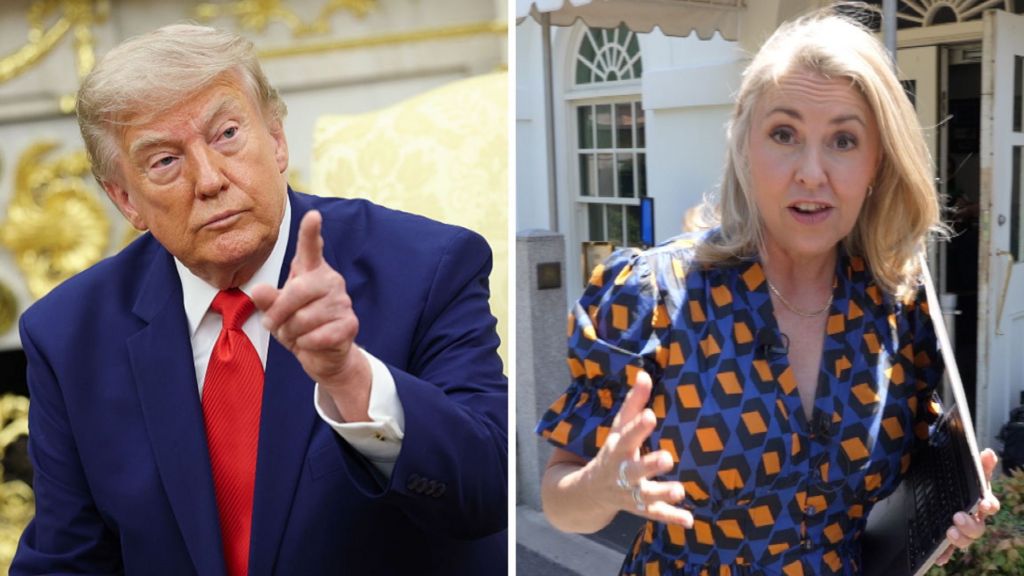
In a surprising political development that has upended expectations around a newly signed U.S.-Saudi nuclear cooperation agreement, former President Donald Trump injected a major new condition into the pact less than one full day after its signing was announced. According to public statements shared across social media platforms by Trump, the nuclear deal cannot move forward unless Saudi Arabia formally commits to joining the Abraham Accords, the U.S.-brokered normalization agreement that has already established diplomatic ties between several Arab nations and Israel. This unexpected intervention has sparked immediate debate among diplomatic observers, who note that the timing of the announcement — coming hours after the deal’s initial signing — has created new uncertainty around the future of U.S.-Saudi relations and broader Middle East diplomacy. The nuclear agreement, which was intended to lay the groundwork for peaceful civilian nuclear energy development in Saudi Arabia, had already been months in the making, with diplomatic negotiators working through sticking points around non-proliferation safeguards and industrial cooperation. Trump’s social media announcement has added an unforeseen layer of complexity to the process, linking the nuclear framework directly to the ongoing push for regional normalization between Arab states and Israel. Analysts point out that the condition aligns with the previous Trump administration’s longstanding priority of expanding the Abraham Accords to include more Arab nations in the Middle East, but its introduction at this stage has left many questioning how Saudi leadership will respond. Riyadh has not yet issued an official public response to Trump’s statement, leaving the status of the nuclear agreement in limbo as regional and global stakeholders wait for clarity on the next steps. The development also underscores the continued influence of U.S. domestic political dynamics on international diplomatic agreements, even after administrations have left office. For global powers invested in Middle East stability, including regional neighbors and global energy markets, the new uncertainty surrounding the deal adds to existing volatility in a region already grappling with multiple ongoing conflicts and diplomatic tensions.