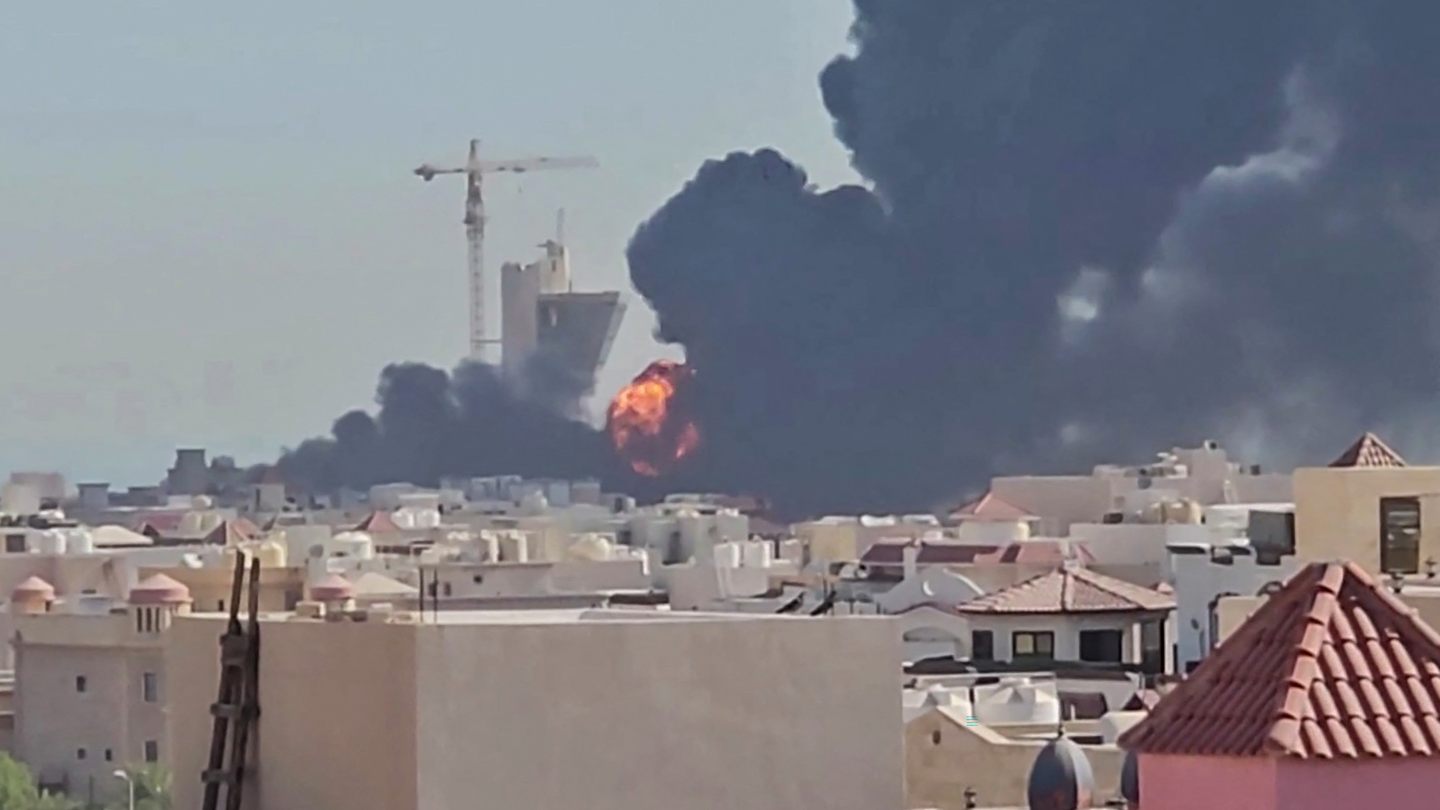
Tensions between Iran and the United States have reached a new critical juncture, with Tehran formally announcing it has abandoned all obligations under the Islamabad Memorandum of Understanding (MoU), a Pakistan-brokered truce deal reached just months ago to de-escalate open hostilities between the two nations. The official announcement, made Saturday by Iran’s Deputy Foreign Minister Kazem Gharibabadi, represents the clearest break yet from the June agreement, with Gharibabadi directly blaming the United States for triggering the suspension through its own repeated violations of the deal’s terms. As the announcement landed, ongoing military exchanges between the two sides continued to intensify, raising fears of a broader regional escalation that could draw in neighboring states. Signed in June following weeks of open armed conflict, the 14-point Islamabad MoU outlined a clear path toward de-escalation: it included commitments to reopen the strategically vital Strait of Hormuz, end the US naval blockade of Iranian assets, and roll back military operations in a phased, reciprocal process. But according to statements carried by Iran’s state-owned Fars News Agency, Gharibabadi said Washington failed to uphold its end of the bargain. “The US has violated and suspended all its commitments within the framework of the Islamabad MoU,” Gharibabadi told the outlet. In response, Tehran has mirrored the action, halting all its own obligations under the agreement. “We also likewise have suspended all of our commitments as a result; we are no longer implementing those commitments,” added Gharibabadi, who leads Iran’s technical negotiating team for discussions with international parties. “We are now busy defending the country.” This formal suspension comes after weeks of rising tensions: Iranian officials had previously warned that continued US military attacks would put the entire truce at risk. The break from the agreement coincides with a sharp intensification of conflict across the region. Iran’s Ministry of Health confirmed that US military strikes carried out since July 6 have killed at least 50 Iranian civilians and left more than 500 others wounded. The Islamic Revolutionary Guard Corps (IRGC), Iran’s elite military force, has also issued a stark warning to nations that host US military assets on their territory, stating that any support for US attacks will be met with a proportional reciprocal response. Overnight US strikes caused further civilian disruption, damaging a key desalination facility that supplies drinking water to roughly 10,000 Iranians. The strike signals that the conflict has entered a new, more unstable phase, with spillover effects already being felt across the Gulf region. Bahraini authorities activated air raid sirens multiple times in recent days as authorities prepared for potential incoming attacks, while Kuwaiti military forces confirmed they have intercepted several missiles and drones launched toward the country. The breakdown of the Pakistan-mediated deal marks a major setback for regional diplomacy, ending the brief window of de-escalation that opened earlier this year and raising the risk of a full-scale regional conflict in the Middle East.