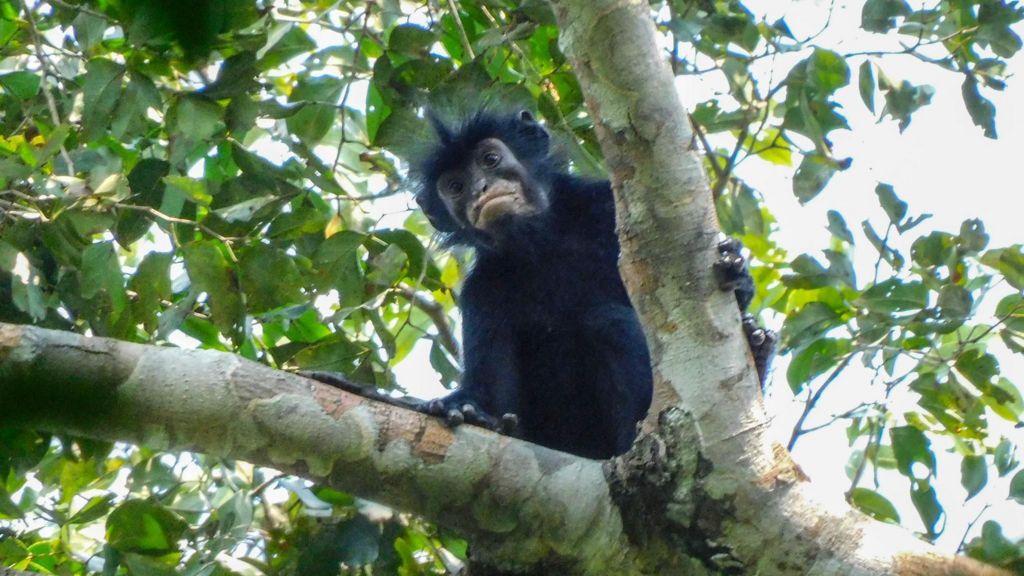
A groundbreaking new finding in primatology has rocked the global conservation and scientific communities: researchers have formally identified a previously unknown species of monkey, a discovery conservation leaders are already calling extraordinary. While full details of the research, including the species’ specific geographic range, physical characteristics, and genetic sequencing data, are still being prepared for formal peer-reviewed publication, early confirmations have confirmed the discovery is legitimate.
Conservation biologists and field researchers have spent years surveying understudied forest habitats in search of unrecorded primate species, as many remote ecosystems remain underexplored by modern science. This new monkey, which was first documented through camera trap footage and later verified through genetic sampling of hair and fecal samples, fills a key gap in scientific understanding of primate biodiversity in the region where it was found.
Leading conservationist who was involved in the research project described the find as an “amazing discovery”, noting that new large mammal species are exceptionally rare to identify in the 21st century. Most new vertebrate species discovered in recent decades are smaller amphibians, reptiles, or rodents, making the identification of a new monkey species a particularly notable event for the scientific community.
The discovery also carries important implications for conservation efforts: the newly identified species is believed to occupy a limited habitat range, which means conservationists will immediately begin work to assess its population status and protect its ecosystem from threats like deforestation and illegal logging. Scientists are currently planning additional field surveys to learn more about the species’ behavior, social structure, diet, and overall population numbers to inform future protection plans.