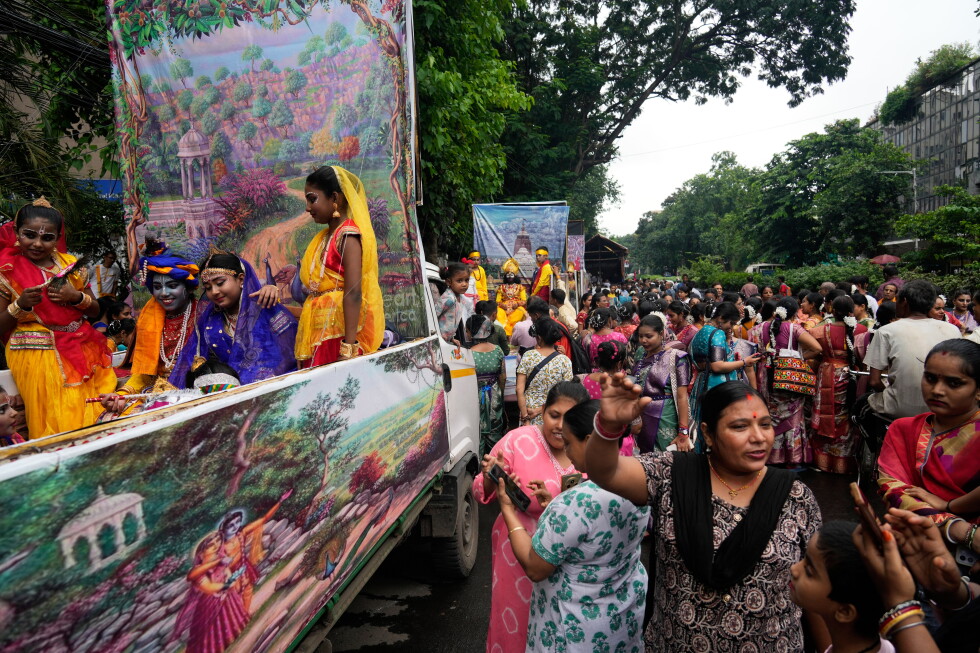
A deadly crowd crush at one of the world’s biggest annual religious gatherings has turned a celebration into tragedy in eastern India, officials have confirmed. The incident unfolded Thursday at the iconic Rath Yatra chariot festival held in the coastal town of Puri, Odisha, where tens of thousands of Hindu devotees had gathered for the centuries-old tradition. The Press Trust of India reported that at least one attendee was killed in the sudden surge, and dozens more were transported to local hospitals for urgent medical care.
The Rath Yatra festival, recognized as one of the oldest and largest religious processions on Earth, centers on a centuries-old ritual: sacred idols of Hindu deities are carried from Puri’s Jagannath Temple through city streets on massive, vibrantly decorated wooden chariots, drawing pilgrims from across the country annually. Graphic footage from the site following the incident shows strewn personal belongings—abandoned shoes, backpacks and personal items—scattered across the event grounds, as emergency workers carried injured devotees to waiting ambulances.
Local law enforcement confirmed the response effort in an official social media statement, noting that quick-acting rescue teams administered first aid and emergency oxygen to 33 affected people before they were moved to nearby medical facilities for further treatment.
Thursday’s tragedy is not an isolated event, and it underscores a long-running safety crisis at large religious gatherings across India. Last year, the same Rath Yatra festival saw an almost identical incident that killed three people and hospitalized more than a dozen attendees. Deadlier crushes have made headlines across the country in recent years: In January 2023, 36 people lost their lives in a crowd surge during the Maha Kumbh Mela, the world’s largest religious gathering that draws millions of pilgrims to bathe in a sacred river. A decade earlier, in 2013, a false panic over a potential bridge collapse at a Hindu festival in central India’s Madhya Pradesh left at least 115 pilgrims dead from crushing or drowning in the river below.
Safety experts have long warned that the frequency of such fatal incidents stems from systemic gaps: massive crowds, sometimes numbering in the millions, are often concentrated in confined, restricted spaces with minimal crowd control infrastructure, insufficient safety protocols and limited emergency response planning.