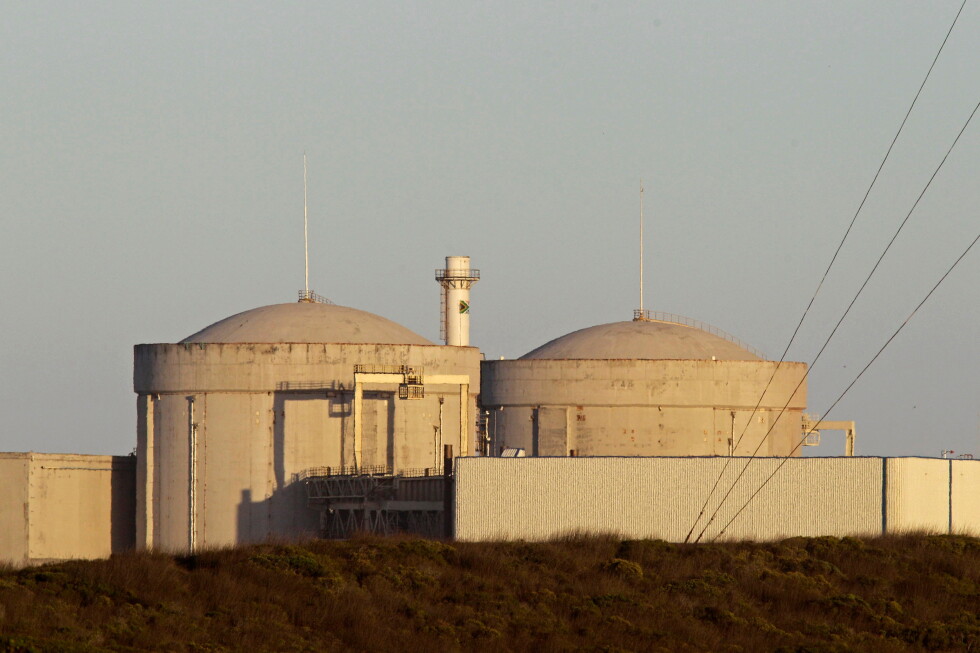
CAPE TOWN, South Africa – Africa’s only operational commercial nuclear power plant, the Koeberg Power Station located off South Africa’s west coast, has been the site of three separate airborne radioactive contamination events in early July, but national regulators have confirmed there is zero risk to the general public and no release of radioactive material into the surrounding environment.
The National Nuclear Regulator (NNR) released a public statement Thursday detailing the nature of the incidents, which took place on June 30, July 2, and July 7 respectively. All three events stemmed from temporary power outages that knocked out ventilation systems during scheduled maintenance work at the facility, leading to elevated levels of airborne radioactive contamination confined within the plant’s controlled boundaries.
According to the NNR, all contamination was successfully contained within the power station’s secured structures, with no off-site radiological impact detected. Workers who may have encountered elevated radiation levels during the incidents underwent immediate mandatory screenings, and results showed recorded contamination levels were lower than the radiation exposure a patient receives during a routine dental X-ray, well below international safety thresholds.
Regulators added that the events do not meet international criteria for classification as a nuclear or radiological incident or emergency, though ongoing supplementary inspections are underway to confirm plant safety and identify root causes for the ventilation failures.
Located approximately 40 kilometers north of Cape Town, South Africa’s second-largest urban center, Koeberg Power Station first entered service in the 1980s. Operated by South Africa’s state-owned national power utility Eskom, the plant’s two reactors contribute roughly 5% of the country’s total electricity generation. Late last year, the facility secured official 20-year life extensions, approving continued operation through the 2040s.
The three incidents come as South Africa pursues plans to expand its commercial nuclear energy capacity, a move driven by the country’s long-running unreliable coal-reliant energy grid that has struggled to meet the needs of its growing population. For years, South Africa’s energy supply has been dominated by coal-fired power generation, a source that contributes heavily to carbon emissions and has been plagued by persistent maintenance failures and rolling blackouts.
South Africa is not alone in shifting toward nuclear power to meet rising energy demands and cut carbon emissions. Despite ongoing safety concerns voiced by anti-nuclear activists, who reference historic disasters including the 1986 Chernobyl explosion and the 2011 Fukushima meltdown, a growing number of nations are expanding nuclear development. Across the African continent, multiple countries are advancing their own first commercial nuclear projects: Egypt, for example, is currently constructing its first nuclear power plant featuring four large Russian-built reactors, which the World Nuclear Association projects will come online around 2030 and supply roughly 10% of Egypt’s total electricity needs.