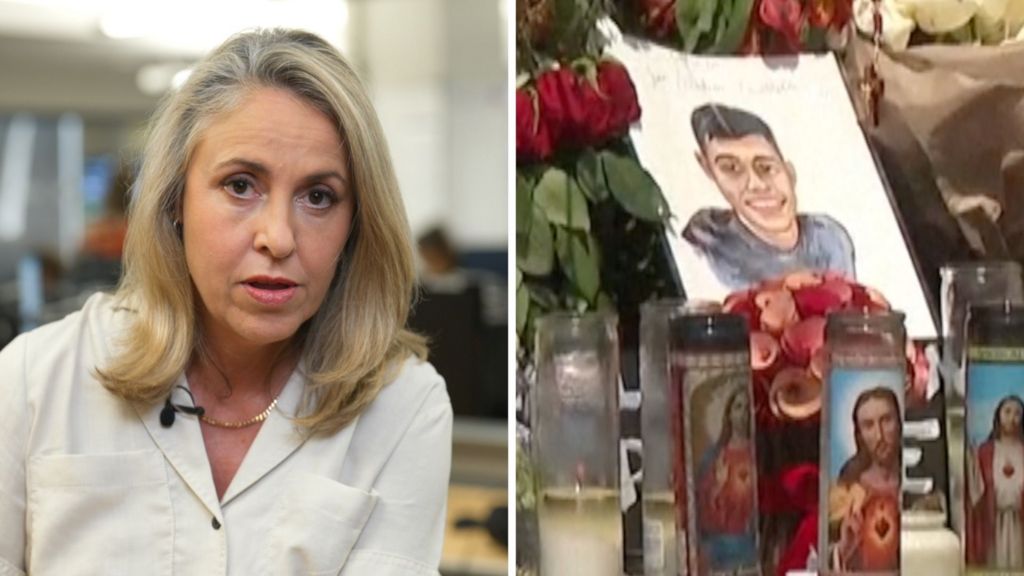
A pair of fatal incidents involving U.S. Immigration and Customs Enforcement (ICE) agents that claimed the lives of two men have sparked growing scrutiny of former President Donald Trump’s immigration policies, with political analysts now weighing whether a widespread popular backlash is building against his stance on the issue. The BBC’s North America correspondent Sarah Smith has launched an on-the-ground investigation into how these two deaths are shifting public opinion and reshaping the political landscape around Trump’s approval ratings on immigration.
The killings have reignited long-simmering public debate over the tactics used by ICE under the Trump administration, which prioritized aggressive immigration enforcement and expanded detention and deportation operations. Critics argue that the fatal encounters expose deep flaws in the hardline approach that Trump championed during his time in office, while supporters of the former president maintain that ICE agents were following established protocols and that the incidents are being exploited for political gain.
Smith’s reporting examines the reaction from diverse communities across the country, from immigrant advocacy groups that have organized protests calling for greater oversight of ICE to conservative base voters who remain committed to Trump’s restrictive immigration agenda. The key question driving her analysis is whether these two high-profile deaths will cross a threshold for swing voters, eroding Trump’s support in key demographics and damaging his overall political standing ahead of potential future electoral contests.
As the fallout from the incidents continues, political strategists are closely tracking shifts in polling to gauge the extent of any backlash. The incident has also pushed immigration back to the forefront of national political conversation, reminding observers of how the issue remains one of the most divisive and consequential in U.S. politics, capable of reshaping public approval of political leaders.