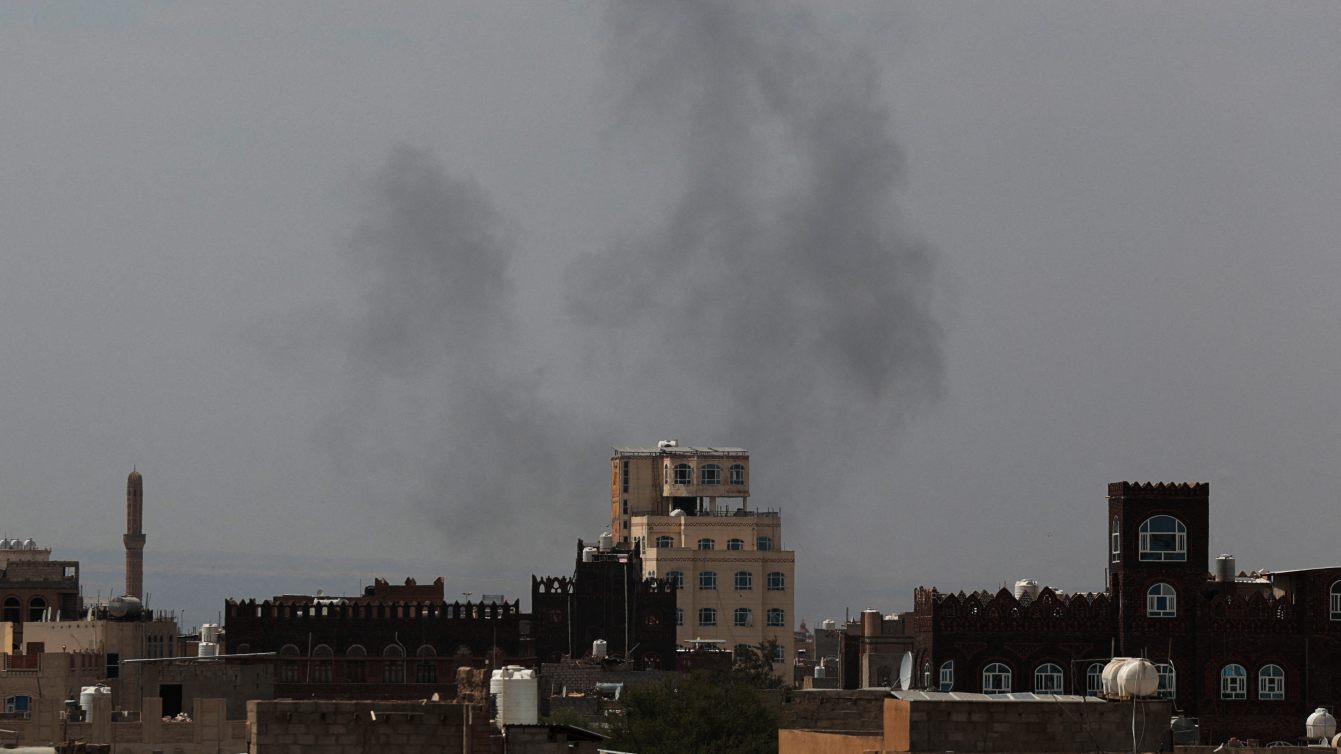
In a sudden shift that risks unraveling years of tentative calm in Yemen, the Houthi movement announced Sunday it was formally ending its de-escalation agreement with Saudi Arabia, pledging swift retaliation over what it claims was an unprovoked Saudi airstrike on Sanaa International Airport.
Yahya Saree, the official spokesperson for Houthi-aligned Yemeni armed forces (officially known as Ansar Allah), confirmed that the alleged strike marks the end of all bilateral efforts to maintain a ceasefire between the two warring parties. “The targeting of Sanaa Airport ends the de-escalation phase,” Saree stated in a public address, emphasizing that “the strike will not pass without retribution.”
As of Sunday evening, Saudi authorities had not issued any immediate public response to the Houthi allegations or confirmation of the reported airstrike. Additional layers of complexity emerged alongside the escalation, with Reuters reporting that Yemen’s internationally recognized Information Minister Moammar al-Eryani has accused Houthi forces of detaining an International Committee of the Red Cross aircraft and its flight crew at Sanaa Airport. The Houthis have not yet commented on this accusation.
In a formal statement from its foreign ministry, the Houthi movement held Saudi Arabia fully accountable for restarting open hostilities in the country. “Saudi Arabia has announced the start of the war and bears full responsibility for it and for any consequences of this step,” the ministry said. The group added that the alleged airstrike was carried out “without any justification”, characterizing it as both a violation of Yemeni national sovereignty and a clear breach of the 2022 ceasefire agreement that paved the way for de-escalation talks.
The sudden escalation comes just days after a Houthi delegation returned from Iran, where members attended funeral ceremonies for Iran’s late former President Ebrahim Raisi (correction from original text context: Iran’s current Supreme Leader is Ali Khamenei, the late official was Raisi). Houthi-affiliated media circulated footage showing senior Houthi official Nasr al-Din Amer aboard an Iranian Mahan Air flight prior to departure from Tehran. The Houthi movement claims Saudi Arabia attempted to block the aircraft from landing in Yemeni territory, though separate video footage later confirmed the plane touched down safely at Hodeidah Airport along Yemen’s Red Sea coast.
This breakdown in calm threatens to erase progress made under a United Nations-backed truce that has held for nearly two years, drastically cutting cross-border attacks and opening a pathway for negotiations to end Yemen’s nearly decade-long civil war. The Houthis form a core component of Iran’s “Axis of Resistance”, an alliance of regional armed and political groups that includes Lebanon’s Hezbollah and pro-Iran factions in Iraq, and has long positioned itself as a key military ally of Tehran in regional standoffs with the United States and Israel.
The latest breakdown in Yemen comes against a backdrop of rapidly escalating tension across the broader Middle East. Over the past week, the U.S. and Iran have exchanged targeted airstrikes following a series of attacks on commercial and military shipping in and near the Strait of Hormuz. Iranian forces have also launched recent drone and missile strikes targeting U.S.-affiliated military assets in the Persian Gulf and commercial shipping transiting the strategic strait.
This report was compiled from independent on-the-ground and regional sourcing, consistent with open Middle East reporting standards.