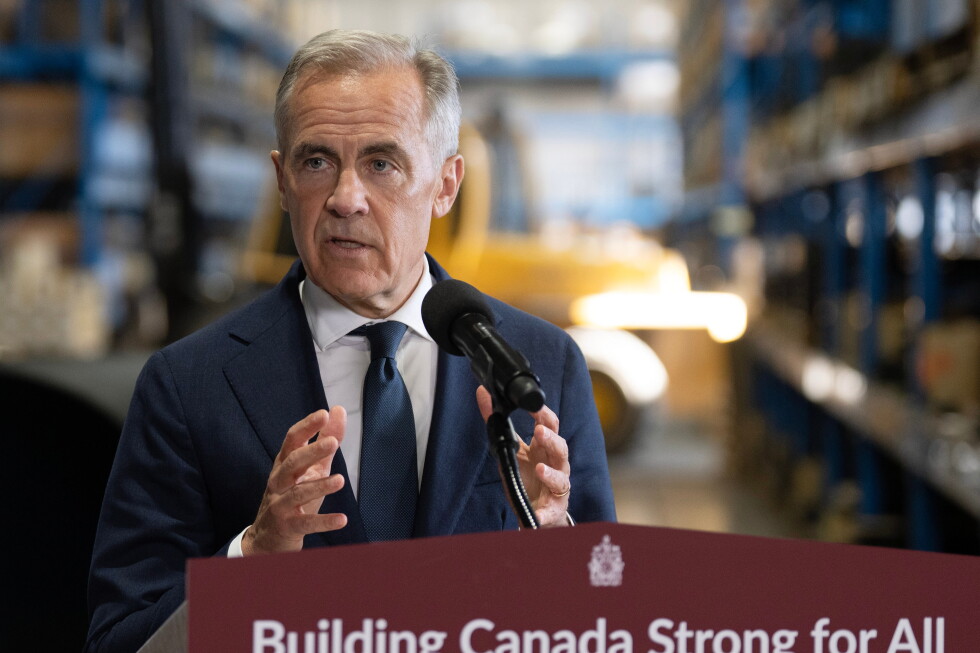
TORONTO – Canada is on the cusp of a landmark decision in one of the largest military procurement projects in the nation’s history, with an announcement expected Monday that will name either Germany’s ThyssenKrupp Marine Systems or South Korea’s Hanwha Ocean as the contractor for a fleet of 12 new conventionally powered submarines, a deal valued in the tens of billions of dollars.
The timeline for the announcement is strategically aligned with Prime Minister Mark Carney’s upcoming departure for the NATO summit hosted in Turkey, coming as alliance members ramp up collective defense spending across the bloc. Before making the public selection, Carney is scheduled to visit a Canadian Armed Forces base in Nova Scotia, the Atlantic coastal province that would likely play a central role in the future operation of the new submarine fleet. During the visit, Carney is set to unveil what his office describes as “new measures to make Canada more secure, resilient, and prosperous.”
While a spokesperson for the prime minister has not confirmed that the submarine procurement decision will drop on Monday, Carney previously stated in May that an announcement would come within weeks, keeping the expected timeline intact.
The push for new submarines comes as Canada’s existing fleet of four Victoria-class submarines faces persistent operational challenges, with the vessels barely able to maintain active service. This capability gap has put increased pressure on the Canadian government to move forward with the large-scale replacement program.
The two bidders have taken distinctly different approaches to court Canadian decision-makers. The German-led ThyssenKrupp Marine Systems, which operates in partnership with Norwegian industry partners, has centered its pitch on strengthening NATO collective defense, pointing out that it already supplies the majority of conventional submarines in service across allied navies.
On the South Korean side, Hanwha Ocean has waged an aggressive outreach and marketing campaign, focusing heavily on the domestic economic benefits the deal would bring to Canada. Just last month, the company showcased its KSS-III diesel-electric submarine in British Columbia after the vessel completed the first ever trans-Pacific crossing by a South Korean Navy submarine, a move designed to demonstrate the craft’s long-range capability and seaworthiness. Both bidders have pledged that their proposals will deliver significant job creation and domestic investment for Canadian communities if selected.
The procurement also ties directly to Canada’s broader defense commitments to the North Atlantic Treaty Organization. Carney’s administration has already pledged to meet the alliance’s upgraded defense spending targets, promising to hit the existing 2% of GDP benchmark this year before ramping up annual spending to 5% of gross domestic product by 2035, in line with NATO’s new requirements for member states.