When the 2026 FIFA World Cup knockout round kicked off in Miami, few gave tournament debutants Cape Verde — the smallest nation competing in this edition of the tournament — a fighting chance against reigning champions Argentina, led by global superstar Lionel Messi. What unfolded over 120 minutes of play would go down as one of the most memorable underdog stories in World Cup history, cementing Cape Verde’s place in football lore long after their exit from the competition.
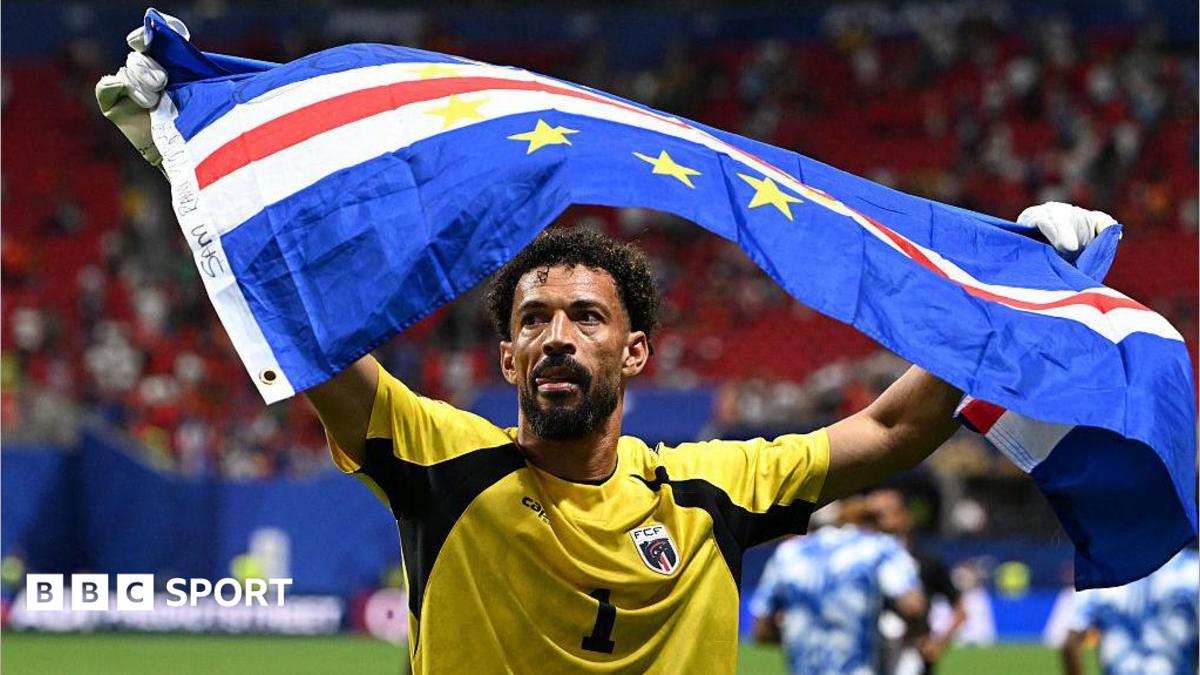
Entering the tournament ranked 67th in the world, Cape Verde defied all pre-tournament predictions to claw their way out of the group stage, notching three draws that included a stunning 0-0 hold against European champions Spain in their opening match. Heroics from 40-year-old clubless goalkeeper Vozinha, who made seven saves to shut out Spain, turned the unheralded shot-stopper into an overnight global sensation. A viral photo of Vozinha in tears after the Spain draw, holding his country’s flag aloft with unbridled pride, circulated across social media, and his consistent elite performances — 18 total saves through four matches, the third-highest total of any keeper at the tournament — only amplified his growing fanbase. Former England right-back Gary Neville predicts Vozinha will not be without a club for long, calling his performances at the tournament calm, composed, and world-class.
Against Argentina, Cape Verde’s Cinderella run nearly delivered the biggest upset in modern World Cup history. After Messi put the defending champions ahead early, Cape Verde fought back to level the score at 1-1, forcing the match into extra time. Argentina retook the lead late in extra time, only for Sidny Lopes Cabral to strike a sensational long-range wonder goal that drew the Blue Sharks level once more. A late cruel deflection off Diney Borges from Cristian Romero’s header ultimately broke Cape Verde hearts, sealing a 3-2 win for Argentina that sent the defending champions through to the last 16.
When the final whistle blew, Cape Verde’s players collapsed to the turf, their magical run cut short just 10 minutes short of a penalty shootout. But while the scoreline put them on the exit lane, the small island nation left the United States having won over millions of fans around the world, and earned universal praise from football legends for their courage, unity, and unwavering competitiveness against the world’s best.
“Cape Verde have lost, but they’ve won,” former Scotland international James McFadden told BBC Radio 5 Live. “They have shown courage, togetherness, unity and unwavering belief in what they are and what they can do. The story of this tournament is Cape Verde. That is what you want to see in a football side.”
Neville described Cape Verde’s performance as “one of the greatest performances” he had ever seen from an underdog, adding: “They are crying because they are going home. They don’t want to go home. They want to be here for the rest of their lives. This is a moment that’s probably not going to come back for some of these players. It’s magical but also upsetting.”
Cape Verde manager Bubista said he was bursting with pride for his players’ historic effort, noting: “We showed that we may be a small country but we can play against the best teams in the world. That’s a reason for pride. We made history for our country. To be able to play the way we did against the world champions, and to draw level twice, is something incredible.”
Roberto ‘Pico’ Lopes, a centre-back for Shamrock Rovers who featured in all four of Cape Verde’s tournament matches, summed up the team’s legacy: “One of the best things to come from this World Cup is nobody asks where Cape Verde is on the map any more – this is history in itself for us. We’ve put ourselves on the map. We’re a small nation but with big hearts and we showed what is possible – and if you believe, you can achieve.”
The breakout performance by Cape Verde has reignited debate around global football development, with pundits calling for global governing body FIFA to expand resources to smaller footballing nations. Former England striker Ian Wright told ITV that FIFA must ensure funding reaches all corners of the global game to create more “Cape Verde moments.”
“That’s what you’re ideally hoping will happen around the world and this is why Fifa have to do so much to make sure the funds they get do reach everybody,” Wright said. “What this does show people is that when you give people the opportunity they can get onto the biggest stage no matter how small they are and they can have it with the world champions, with one of the greatest players in the world. It was a Herculean effort from them, absolutely.”
The 48-team World Cup expansion, a hotly debated topic ahead of this 2026 tournament, has also found a new wave of support from pundits who saw Cape Verde’s run as proof that smaller nations can deliver magic on the global stage. Neville, a former sceptic of expansion, said he has changed his mind after watching the Blue Sharks’ historic run.