The much-anticipated World Cup-linked hiring surge in the United States has failed to deliver on early expectations, with official data released Thursday showing a sharp contraction in employment across restaurants, bars, and hotels last month. The 2026 FIFA World Cup, co-hosted by the United States, Canada and Mexico, had been widely forecast by market analysts to drive a significant uptick in leisure and hospitality hiring as businesses prepared for an influx of international football fans and increased consumer activity.
However, the latest monthly report from the US Bureau of Labor Statistics (BLS) reveals the sector shed 61,000 jobs in June, erasing much of the strong hiring growth recorded just one month prior. That May hiring burst, which the BLS had flagged as an early sign of an emerging World Cup jobs boom, saw bars and restaurants ramp up staffing to get ahead of projected event-driven demand. Even leading Wall Street analysts at Goldman Sachs had predicted the tournament would add roughly 40,000 new positions to the sector in June, a forecast that now falls far wide of the mark.
Across the broader US economy, total nonfarm payroll employment rose by just 57,000 jobs in June, a figure that came in well below most economists’ consensus projections. At the same time, the national unemployment rate edged down fractionally to 4.2%. The BLS also downgraded its previously reported job growth figures for April and May, revealing the two months added 74,000 fewer jobs than initial estimates indicated.
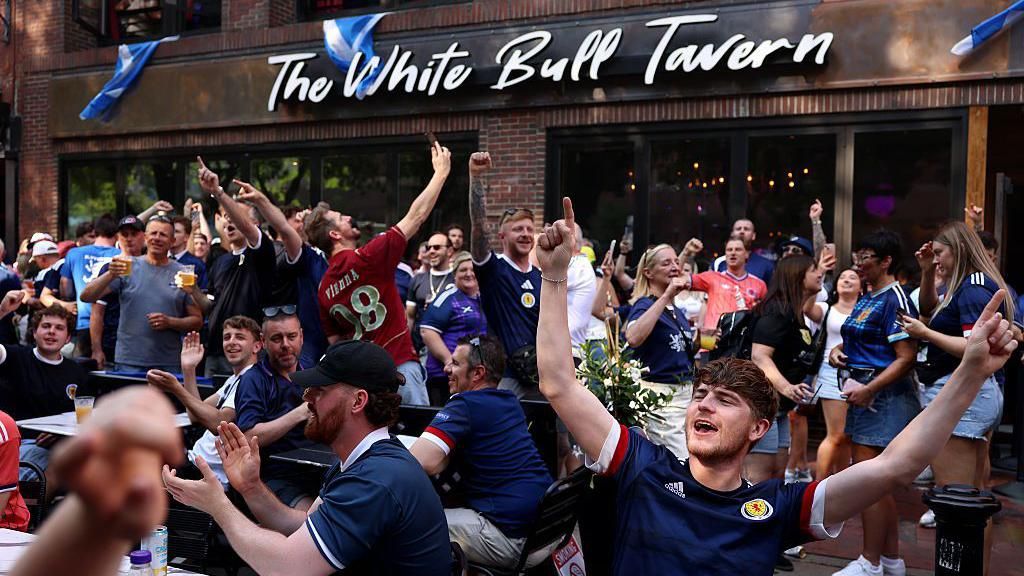
James Knightley, chief US economist at ING, described leisure and hospitality as the clear “real area of weakness” in Thursday’s BLS release. He called the sector’s contraction a major shock, given ongoing reports that venues across the country have been packed with travelling football fans, with some establishments even reporting sold-out events and depleted alcohol stockpiles from high fan demand. “Admittedly, this sector had seen a 44,000 jump in May, but even so that is a surprising outcome,” Knightley told the BBC.
Knightley noted that the weaker-than-expected June payroll growth combined with downward revisions to prior months indicates that the solid hiring uptick recorded earlier in the spring is unlikely to mark the start of a sustained new trend of strong jobs growth. He added that the softer labor market data makes another interest rate hike from the Federal Reserve later this July far less likely than markets had previously predicted.
Susannah Streeter, chief investment strategist at Wealth Club, framed the slowdown in jobs growth as a potentially welcome development for the US economy, opening the door to what analysts call a “Goldilocks scenario” — a balanced state where growth is not hot enough to drive persistent inflation, but not cold enough to trigger a recession. “Expectations of multiple rate hikes are fading away, with only one hike now fully priced in, and not until next year,” she added.