BEIJING – Just one week after a small civilian aircraft collided with Beijing’s tallest structure, Chinese local officials have released conclusive findings from their investigation, confirming the crash was a deliberate act of suicide by the 66-year-old pilot. In an official public statement shared via social media by the Chaoyang District People’s Government, investigators confirmed the incident stemmed entirely from personal issues tied to the pilot, identified only by his surname Liu.
The crash, which occurred at roughly 6 p.m. last Friday during rush hour in downtown Beijing’s central business district as office workers were heading home for the day, left Liu dead at the scene and injured 13 additional people on the ground. Officials updated the public on the status of those injured Thursday, noting none of the wounds sustained were life-threatening, and one injured person has already been released from the hospital after receiving treatment.
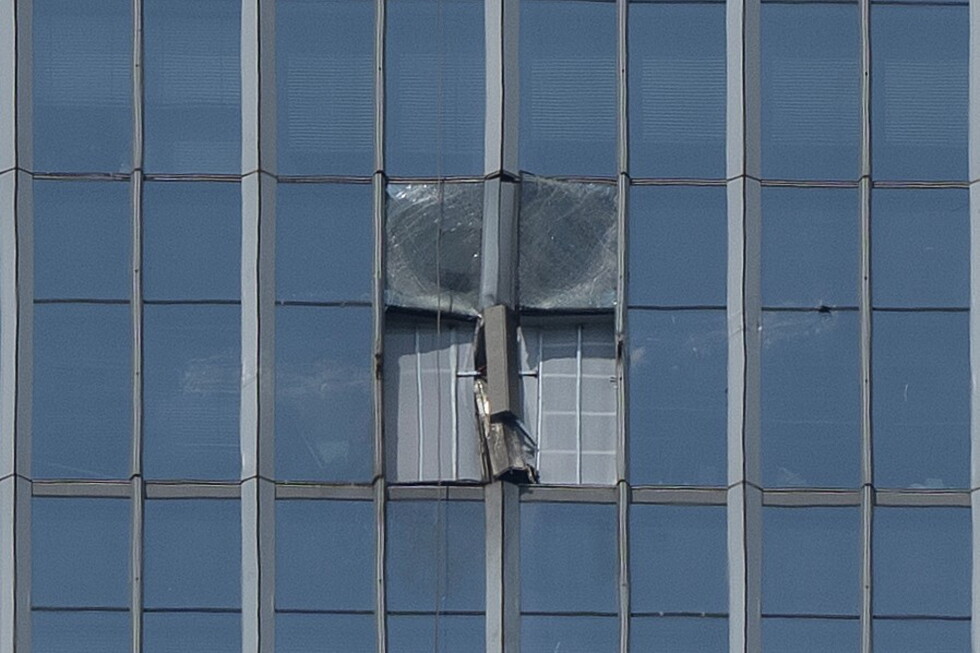
The aircraft hit the 108-story CITIC Tower, a landmark skyscraper widely known locally as the China Zun, named for its distinctive design that replicates the shape of an ancient Chinese ceremonial wine vessel. The impact left a large visible hole in the building’s glass exterior, triggering immediate public concern over aviation security protocols in the Chinese capital, particularly in dense, heavily populated urban areas.
Per the official investigation breakdown, Liu was flying a two-seat trainer aircraft. He first completed a brief flight with an instructor before departing for a solo flight from a general aviation airport located on the outer edge of Beijing’s suburban area. Mid-flight, he intentionally deviated from the pre-approved, planned flight route, and all communication with air traffic control was lost shortly after.
Investigators also shared key background details on Liu: he was unemployed, had gone through a divorce, and lived alone prior to the incident. He had long struggled with insomnia and clinical anxiety, and multiple entries in his personal diary explicitly referenced his plan to end his own life, the Chaoyang district government statement confirmed.