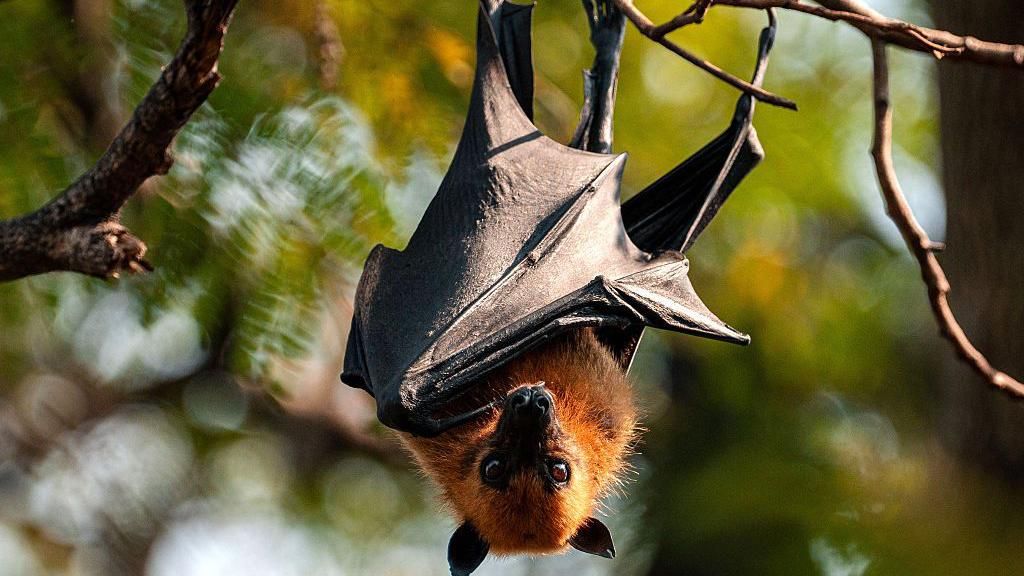
An 11-year-old unvaccinated Canadian child has succumbed to a rabies infection, a fatal outcome that public health experts say could have been prevented, following an unexpected encounter with a bat at a family cottage in 2024. The tragic case, detailed in a new report published Monday in the *Canadian Medical Association Journal*, has reignited conversations about the dangers of underpreparing for wildlife encounters and gaps in public awareness around rabies exposure protocols.
The boy, whose identity has not been released to protect his family’s privacy, was staying at a rural Ontario cottage when he was woken in the night by a bat clinging to his nose and mouth. He quickly swatted the animal away, and his father captured it in a container before releasing it back into the wild outside the cottage.
Because the child had no visible bite marks or open wounds, and the bat did not display any obvious unusual or erratic behavior, his parents opted not to seek immediate medical care. That decision would prove devastating. Nineteen days after the encounter, the boy first developed unexplained numbness and swelling across his face, prompting his family to seek emergency medical attention.
Over the next several days, medical providers worked to pinpoint the cause of his worsening symptoms. Initially, an urgent care clinic misdiagnosed his condition as Bell’s palsy, a temporary facial muscle paralysis, and sent him home with antiviral medication typically used to treat herpes virus infections. When his symptoms did not improve, he was taken to a local hospital, where clinicians first suspected herpes gingivostomatitis, a common viral infection affecting the mouth and gums. The following day, he returned after the entire right side of his face became paralyzed.
While waiting for a hospital bed, the boy’s condition deteriorated sharply: he developed a 39-degree Celsius fever, struggled to swallow, experienced confusion and visual hallucinations. He was quickly intubated and transferred to a pediatric intensive care unit, where specialists from the University of Manitoba’s Department of Pediatrics and Child Health raised an urgent red flag: the symptoms aligned almost perfectly with rabies infection. Subsequent testing confirmed their suspicion, and the Canadian Food Inspection Agency later identified the strain as a bat-specific rabies virus variant. The boy died 17 days after being admitted to intensive care. Medical records show he had no pre-existing allergies, no known exposure to sick contacts, no recent tick bites, and had not traveled outside of Canada in the months before his illness.
Rabies infections in humans are extremely rare in Canada. According to data from the Canadian Veterinary Medical Association, only 28 people have died from rabies in the country since 1924. The organization credits this decades-long low fatality rate to widespread, sustained animal rabies vaccination programs across the country, warning that any interruption to these programs would almost certainly lead to a resurgence of preventable human cases.
Public health guidelines universally recommend that any direct physical contact between a human and a bat warrants immediate post-exposure rabies prophylaxis, a timely medical intervention that prevents the virus from taking hold in the body. Medical experts have repeatedly emphasized that rabies is almost universally fatal once clinical symptoms develop, making immediate preventive care after exposure critical to survival.